Key Takeaway
Goldman Sachs' significant XRP ETF investment is a watershed moment for crypto's institutionalization. While direct Indian market impact is limited by regulation, this global validation could indirectly boost sentiment for Indian tech and digital payment innovators.
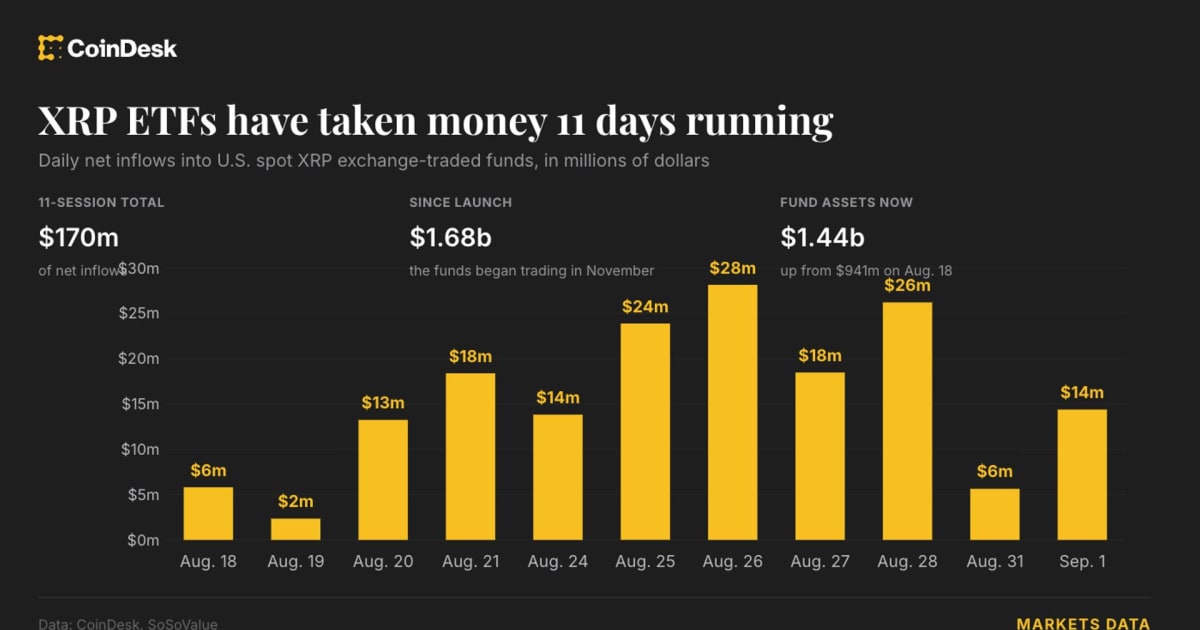
The recent surge in institutional investment into XRP ETFs, spearheaded by Goldman Sachs, marks a pivotal moment for cryptocurrency's integration into traditional finance. This deep dive explores how these global shifts, despite India's cautious regulatory stance, could subtly influence domestic market sentiment, identify potential winners and losers among Indian equities, and provide a strategic playbook for discerning investors navigating this evolving landscape.
Goldman Sachs Bets Big on XRP ETFs: A Seismic Shift for Global Crypto, A Ripple for India?
The financial world recently witnessed a profound recalibration of institutional interest in cryptocurrencies, specifically through Exchange Traded Funds (ETFs) linked to XRP. In a move that sent ripples across global markets, Goldman Sachs emerged as a leading institutional holder in a cohort of XRP ETFs that collectively amassed over $170 million in inflows within a mere eleven days. This isn't just another crypto headline; it's a powerful signal of mainstream validation, indicating that major financial players are no longer viewing digital assets as a fringe speculative play but as a legitimate, investable asset class. For astute investors, particularly those eyeing the Indian market, understanding the nuances of this global phenomenon is crucial, even amidst India's measured approach to crypto regulation.
The significance of Goldman Sachs' involvement cannot be overstated. As a bellwether for institutional capital allocation and a titan of Wall Street, its endorsement—even through a passive ETF holding—lends immense credibility. This institutional embrace addresses one of crypto's long-standing hurdles: accessibility and regulatory clarity for large-scale investors. The availability of regulated ETF products simplifies exposure, mitigates custodial risks, and broadens the investor base beyond crypto-native platforms. While the direct flow of this capital into the Indian equity market is currently restricted by the Reserve Bank of India's (RBI) cautious stance on cryptocurrencies, the indirect implications for sentiment, technological adoption, and certain sector valuations within India are undeniably present.
How Will Global Crypto Institutionalization Affect Indian Stocks?
While India's direct participation in crypto-linked assets remains constrained, the global institutionalization of cryptocurrencies, exemplified by the XRP ETF inflows, creates a bullish undercurrent that can subtly influence Indian investor sentiment and strategic positioning. Historically, global financial trends, even those with limited direct pathways, have often found their way into Indian market psyche. Consider the dot-com boom of the late 1990s; while Indian tech companies were nascent, the global euphoria translated into significant valuation premiums for domestic IT services firms like Infosys and TCS. Similarly, the current crypto validation could lead to a renewed focus on Indian companies operating in adjacent digital payment infrastructure, blockchain technology, and IT services sectors that cater to global financial clients.
The substantial inflow into XRP ETFs globally, particularly from a player like Goldman Sachs, indicates a broader acceptance of digital assets as a store of value and a medium of exchange. This shift could indirectly benefit Indian companies involved in building secure, scalable digital transaction systems. For instance, companies facilitating cross-border payments or those developing enterprise-grade blockchain solutions for supply chain management or financial services could see increased demand. The underlying technology of XRP, designed for fast, low-cost international payments, aligns with India's push for digital financial inclusion and efficient payment rails.
Specific data points highlight this potential indirect linkage. India's digital payments market is projected to reach $10 trillion by 2026, according to a recent PhonePe-BCG report. While not directly crypto-driven, the increased global comfort with digital assets could accelerate the adoption of underlying technologies that enhance digital payment security and efficiency. The Nifty IT index, for example, has historically reacted positively to global tech sector exuberance, even if the direct drivers were elsewhere. A sustained global crypto bull run, fueled by institutional capital, could see a similar sentiment spillover into Indian tech and fintech stocks.
Indian Equities to Watch: Riding the Crypto Wave Indirectly
Despite regulatory hurdles, several Indian listed companies could experience indirect positive impacts from the global institutional embrace of crypto. Investors should consider these firms not as direct crypto plays, but as beneficiaries of the broader digital transformation and the increased demand for underlying technologies and services that a crypto-friendly global financial system entails.
- Infosys (NSE: INFY): As a global IT services giant, Infosys provides extensive consulting and technology services to financial institutions worldwide. With major banks like Goldman Sachs exploring crypto, the demand for secure, scalable blockchain and digital asset management solutions will undoubtedly grow. Infosys's expertise in financial services technology, including its dedicated blockchain practice, positions it to capture new projects from global clients adapting to this shift. Their robust P/E ratio, often trading above 25x, reflects investor confidence in their ability to capitalize on evolving tech trends.
- Tata Consultancy Services (NSE: TCS): Similar to Infosys, TCS is a powerhouse in IT consulting, serving a vast array of global banks and financial institutions. Their significant investments in research and development, particularly in emerging technologies like blockchain and AI, make them a strong contender for mandates related to digital asset integration. As financial institutions navigate regulatory complexities and technological infrastructure for crypto, TCS's deep domain expertise will be invaluable. Their revenue figures, consistently in the tens of billions of dollars annually, underscore their capacity to handle large-scale transformation projects.
- Persistent Systems (NSE: PERSISTENT): This mid-cap IT services company has a strong focus on digital engineering and product development, often working with fintech firms and financial services clients. Their agile approach and specialization in next-generation technologies, including blockchain-based solutions, could see increased demand as global financial services companies seek specialized partners for their digital asset strategies. Persistent Systems' growth trajectory, often outpacing larger peers, suggests a nimbleness in adapting to new tech waves.
- One97 Communications (Paytm) (NSE: PAYTM): While Paytm's direct involvement in crypto is currently limited by Indian regulations, its extensive digital payments infrastructure and large user base position it uniquely. Should India's regulatory stance evolve, or as global digital payment trends converge, Paytm's existing network could be a significant advantage. Even without direct crypto integration, the broader sentiment shift towards digital payments and assets could enhance investor perception of companies at the forefront of India's digital economy. The company's focus on expanding its merchant network and financial services offerings aligns with the broader digital transformation narrative.
- Infibeam Avenues (NSE: INFIBEAM): This company operates a comprehensive digital payment gateway and enterprise solutions platform. As global financial systems become more interconnected and potentially integrate digital assets, companies providing robust, secure payment processing infrastructure stand to benefit. Infibeam's focus on merchant solutions and digital commerce could see indirect tailwinds from a global shift towards more efficient and diverse digital payment methods.
Expert Perspectives: Bulls vs. Bears on Indian Crypto Exposure
The debate surrounding India's indirect exposure to the global crypto phenomenon, especially after significant institutional moves like Goldman Sachs' XRP ETF investment, is multifaceted.
The Bulls argue: "This is an undeniable validation. While India's regulatory framework is a bottleneck, the long-term trajectory for digital assets as a legitimate asset class is clear. Indian IT services companies, which are global leaders, will be indispensable partners for Western financial institutions integrating crypto. Furthermore, the psychological impact on Indian investors, seeing global giants embrace crypto, will eventually pressure domestic regulators for more clarity. Companies involved in digital payments, secure data infrastructure, and blockchain development, even if not directly crypto-facing today, are future-proofed by this trend. The sheer scale of global capital flowing into crypto creates a rising tide that will lift adjacent boats, including Indian tech innovators."
The Bears counter: "The direct impact on Indian listed equities is minimal at best, and speculative at worst. India's regulatory environment remains highly uncertain, with a conservative stance from the RBI and ongoing discussions about a comprehensive legal framework. Until there's clear legislation, any 'spillover' effect is primarily sentiment-driven and lacks fundamental backing. Indian IT companies will benefit from any tech spending, but attributing it directly to crypto is a stretch; they serve diverse global needs. Furthermore, the volatility of crypto markets, even with institutional backing, remains a significant risk. Investors chasing indirect plays could be exposed to sector-specific risks without the direct upside of crypto itself."
Actionable Investor Playbook: Navigating the Indirect Crypto Opportunity
For Indian investors looking to position themselves amidst this global shift, a nuanced approach is key. Direct investment in crypto assets or crypto-linked ETFs is largely restricted. However, strategic allocation in specific Indian equities can provide indirect exposure to the underlying themes of digital transformation and financial innovation.
- Buy/Accumulate: High-quality Indian IT services companies with significant global financial services clientele and a demonstrated blockchain/digital asset practice. Focus on firms like Infosys (NSE: INFY) and TCS (NSE: TCS), which have the scale and expertise to benefit from increased tech spending by global banks. Consider mid-cap specialists like Persistent Systems (NSE: PERSISTENT) for higher growth potential in niche digital engineering.
- Watch/Monitor: Indian digital payment and fintech companies like One97 Communications (Paytm) (NSE: PAYTM) and Infibeam Avenues (NSE: INFIBEAM). While regulatory clarity is pending, these companies are at the forefront of India's digital economy. Any positive shifts in Indian crypto regulation could unlock significant upside for these players.
- Time Horizon: This is a long-term thematic play (3-5 years+). The institutionalization of crypto is a multi-year trend, and regulatory evolution in India will also take time. Short-term speculative plays based on global crypto headlines are generally ill-advised for Indian equities.
- Entry Points: Look for dips in the broader Nifty IT index or corrections in individual stocks to build positions, rather than chasing immediate highs. Valuation remains critical.
Risk Matrix: Navigating the Uncertainties
While the long-term outlook for digital assets appears robust, several risks could impact the indirect Indian market beneficiaries:
- Indian Regulatory Uncertainty (High Probability, High Impact): The most significant risk. Continued ambiguity or overly restrictive policies from the RBI and government could severely limit any direct or indirect benefits for Indian companies and investor participation. Probability: 8/10.
- Global Crypto Market Volatility (Medium Probability, High Impact): Despite institutional inflows, cryptocurrencies remain highly volatile. A significant global crypto downturn could negatively affect sentiment even for indirectly exposed Indian stocks, regardless of their fundamentals. Probability: 6/10.
- Increased Competition in IT Services (Medium Probability, Medium Impact): As financial institutions ramp up digital transformation, competition among IT service providers for blockchain and digital asset projects will intensify, potentially impacting margins for Indian IT firms. Probability: 5/10.
- Technological Obsolescence/Security Breaches (Low Probability, High Impact): While less likely for established IT firms, any major security breach or fundamental flaw in underlying blockchain technology could erode trust and slow adoption, impacting the entire ecosystem. Probability: 3/10.
What to Watch Next: Catalysts for the Indian Crypto Narrative
The story of institutional crypto adoption and its Indian market implications is far from over. Several upcoming events and data releases will be crucial:
- Upcoming Indian Budget & Regulatory Announcements (Q1 2025): The next Indian Union Budget or subsequent parliamentary sessions could bring clarity on India's crypto taxation and regulatory framework. Any positive or negative legislative developments will significantly impact market sentiment.
- RBI Digital Rupee (CBDC) Pilot Expansion: The ongoing pilot projects for India's Central Bank Digital Currency (e-Rupee) will provide insights into India's broader digital asset strategy. A successful and expanded CBDC could pave the way for a more open approach to private cryptocurrencies.
- Global ETF Inflow Data (Monthly): Continued strong inflows into XRP and other crypto ETFs globally will reinforce the institutional adoption narrative, providing ongoing bullish sentiment for the underlying technology.
- Earnings Calls of Indian IT Majors (Quarterly): Listen for specific mentions from Infosys, TCS, and Persistent Systems regarding their pipeline for blockchain, digital asset, or fintech projects from global financial clients. This will offer concrete evidence of revenue generation from this trend.
Run a free AI Stock Screen
Our algorithmic screener scores any NSE/BSE stock on fundamentals, momentum, and risk — free to try, no card needed.
Try the AI Screener →Have questions about this story?
Ask Welth, our finance-focused AI research assistant, for a deeper breakdown — free trial included.
Chat with Welth AI →Disclaimer: This content is generated by WelthWest Research Desk based on publicly available reports and is for informational purposes only. It does not constitute financial advice, investment recommendations, or an offer to buy or sell securities. Always consult a qualified financial advisor before making investment decisions.