Key Takeaway
The successful $416 million Hawkeye 360 IPO validates satellite-based signals intelligence (SIGINT) as the new frontier of defense. For Indian investors, this signals a massive valuation rerating for domestic space-tech firms capable of bridging the gap between hardware manufacturing and high-margin geospatial data analytics.
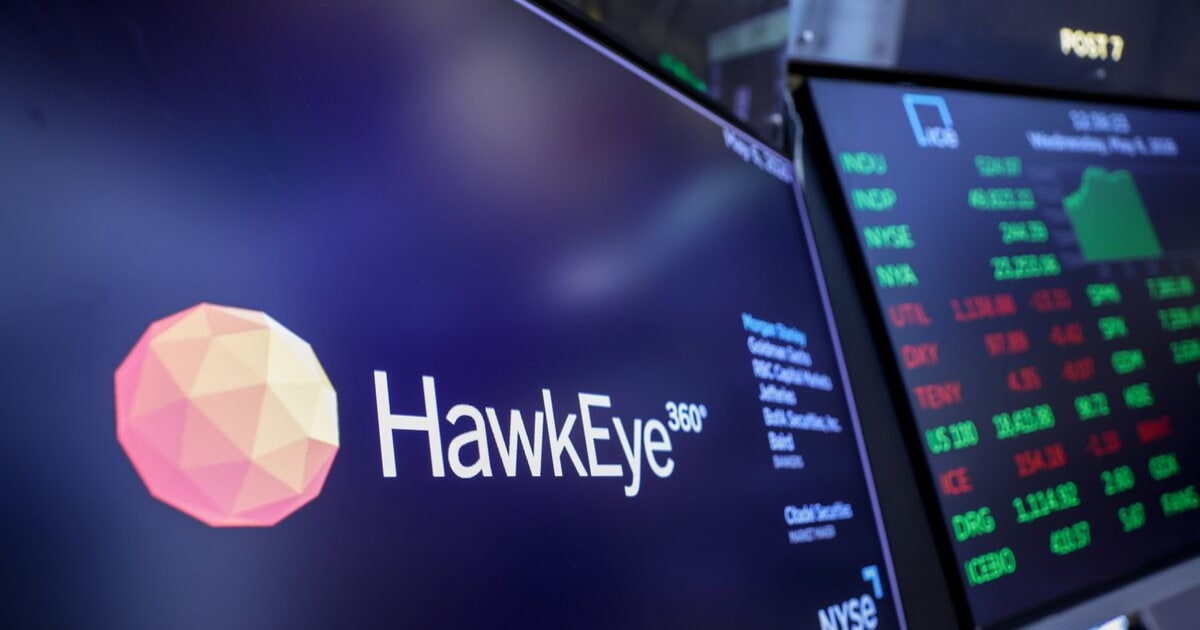
Hawkeye 360’s massive IPO success has sent shockwaves through the global defense sector, signaling a permanent shift toward orbital surveillance. We analyze the implications for the Indian defense ecosystem, identifying which NSE/BSE stocks are poised to benefit from this intelligence-led investment cycle.
The $416 Million Signal: Why Space-Tech is Now a Defense Imperative
The successful $416 million initial public offering (IPO) of Hawkeye 360 is not merely a capital-raising event; it is a definitive market validation of satellite-based signals intelligence (SIGINT). By successfully commercializing the tracking of radio frequency (RF) emissions from space, Hawkeye 360 has effectively proven that the 'Space-Tech' sector has graduated from experimental R&D to a mission-critical component of global defense budgets.
For investors, this shift is monumental. We are witnessing the decoupling of defense spending from traditional, heavy-hardware platforms in favor of agile, software-defined space assets. For the Indian market, this provides a clear roadmap: the firms that succeed will be those that integrate deep software analytics with hardware manufacturing, moving away from simple contract manufacturing toward proprietary intelligence solutions.
How does the Hawkeye 360 IPO change the valuation of Indian defense stocks?
The IPO acts as a valuation benchmark. Historically, when global space-tech firms achieve public status, their valuation-to-revenue multiples set a 'gold standard' for regional peers. In 2022, the surge in global defense tech spending saw the Nifty Defence Index outperform the broader Nifty 50 by over 40%. The Hawkeye 360 event suggests that this is not a cyclical spike but a structural shift.
Indian companies currently trading at moderate P/E ratios are likely to see a valuation premium expansion as they pivot toward the 'Geospatial-as-a-Service' model. Investors are no longer looking for pure-play manufacturers; they are hunting for companies that can process satellite data to provide actionable defense intelligence—a market segment currently underserved in the domestic Indian landscape.
Stock-by-Stock Breakdown: Who Wins in the Space-Tech Pivot?
The ripple effects of this IPO will be felt across the NSE. We have identified four key stocks that are uniquely positioned to leverage this global trend:
- Data Patterns (India) Ltd: As a leader in defense electronics and radar systems, Data Patterns sits at the intersection of hardware and signal processing. Their ability to integrate software into radar platforms makes them a prime candidate to benefit from the growing demand for SIGINT-compatible hardware.
- Zen Technologies: While primarily known for training simulators, Zen’s recent move into drone and anti-drone technology mimics the 'intelligence-first' approach of Hawkeye 360. Their focus on software-led combat solutions aligns perfectly with the global shift toward non-kinetic warfare.
- Bharat Electronics Ltd (BEL): The bedrock of Indian defense electronics. BEL is the most logical partner for any state-led or private satellite initiative. With a robust order book and consistent 20%+ return on equity (ROE), BEL is the 'safe' play for exposure to the underlying infrastructure of space-tech.
- Hindustan Aeronautics Ltd (HAL): HAL’s transition into aerospace and space-launch components provides the hardware backbone. As the Indian space ecosystem matures, HAL’s manufacturing capacity will become the primary engine for domestic satellite deployment.
Expert Perspective: The Bull vs. Bear Debate
The Bull Argument: Bulls argue that the Hawkeye 360 IPO is a catalyst for a 'Space-Tech Supercycle.' As geopolitical tensions rise, the demand for non-intrusive, satellite-based surveillance becomes non-negotiable. Indian firms, benefiting from lower cost structures and a burgeoning pool of engineering talent, are primed to capture significant export market share.
The Bear Argument: Bears point to the 'valuation trap.' High-growth space-tech stocks often trade at P/E ratios exceeding 60x-80x. Any regulatory hurdle or failure in satellite deployment could lead to a sharp, sentiment-driven correction. Furthermore, the high capital expenditure required to maintain a satellite constellation could squeeze cash flows for smaller Indian players.
Actionable Investor Playbook
Investors should adopt a 3-5 year horizon for this sector. The immediate strategy is to monitor the 'Software-to-Hardware' ratio in annual reports. Look for companies increasing their R&D spend on data analytics platforms (like AI-driven signal filtering) rather than just physical manufacturing capacity.
- Accumulate on Dips: Build positions in BEL and Data Patterns during broader market volatility.
- Focus on Order Book Quality: Prefer companies with long-term government or international defense contracts that guarantee cash flow.
- Monitor Export Data: Keep a close watch on the Ministry of Defence’s export clearance data; a spike in surveillance-tech exports will be a leading indicator for the next leg of this rally.
Risk Matrix: Navigating the Headwinds
| Risk Factor | Impact | Probability |
|---|---|---|
| Regulatory/Privacy Scrutiny | High | Medium |
| Geopolitical Export Restrictions | Medium | High |
| Technological Obsolescence | High | Low |
What to Watch Next: Catalysts for the Space-Tech Sector
Keep a close eye on the upcoming Indian Defence Space Agency (DSA) procurement announcements. Any move to outsource satellite signal processing to private firms will be the single largest catalyst for the stocks mentioned above. Additionally, watch for quarterly updates from global peers; if the premium valuation for Hawkeye 360 holds, expect domestic analysts to begin upgrading their EPS (Earnings Per Share) forecasts for Indian space-tech firms by Q3 of this fiscal year.
See Data Patterns (India)'s AI Score
Our algorithmic screener scores Data Patterns (India) on fundamentals, momentum, and risk — free to try, no card needed.
Try the AI Screener →Have questions about this story?
Ask Welth, our finance-focused AI research assistant, for a deeper breakdown — free trial included.
Chat with Welth AI →Disclaimer: This content is generated by WelthWest Research Desk based on publicly available reports and is for informational purposes only. It does not constitute financial advice, investment recommendations, or an offer to buy or sell securities. Always consult a qualified financial advisor before making investment decisions.
