Key Takeaway
HDFC Bank’s governance uncertainty is triggering a major rotation in the Indian banking sector. Investors should brace for volatility as the market re-evaluates the bank’s risk management credibility.
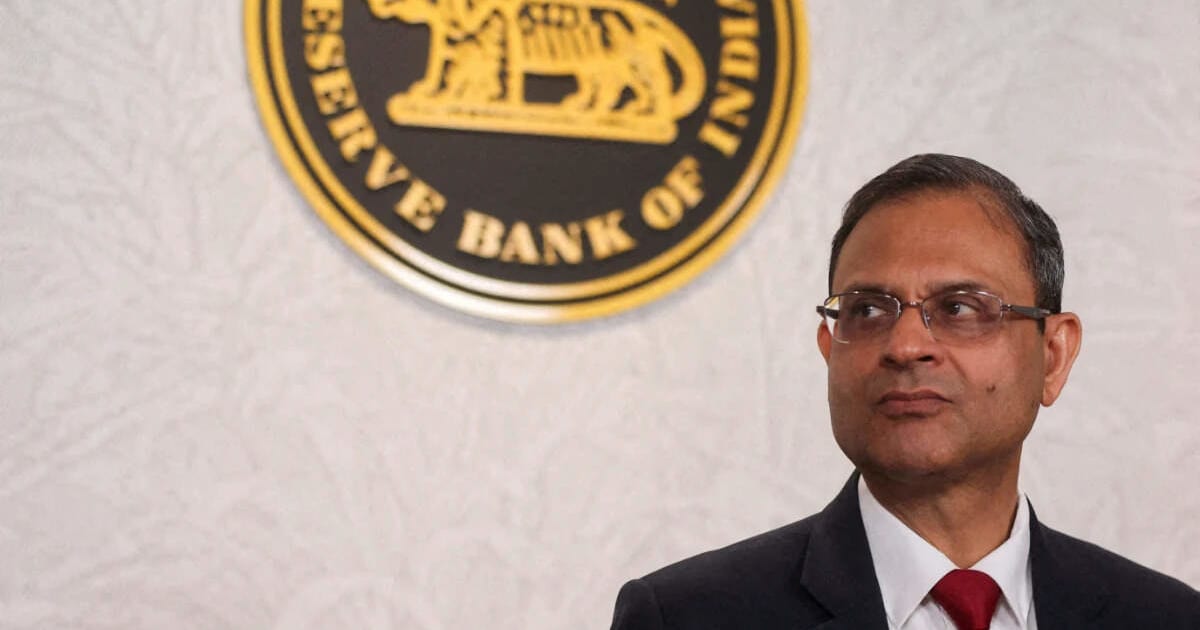
HDFC Bank is reeling from a high-profile leadership resignation tied to the controversial handling of Credit Suisse AT1 bond exposures. As institutional confidence wavers, the market is witnessing a swift reallocation of capital toward competing private lenders. This shift signals a deeper concern over corporate governance and long-term valuation multiples for India’s largest private bank.
The Coronation of Uncertainty at HDFC Bank
The aura of invincibility surrounding HDFC Bank has officially been punctured. In the high-stakes world of Indian finance, the recent, abrupt departure of a key executive—widely attributed to the lingering ghosts of the Credit Suisse AT1 bond collapse—has sent shockwaves through Dalal Street. For years, HDFC Bank was the 'gold standard' for risk management. Today, it is the epicenter of a governance crisis that has investors asking the one question no shareholder wants to hear: What else is buried in the balance sheet?
The AT1 Fallout: A Governance Wake-Up Call
The core of this turbulence isn't just about one person leaving; it’s about the legacy of bad bets. The fallout from the Credit Suisse AT1 bond debacle has exposed a disconnect between HDFC Bank’s perceived risk appetite and its actual exposure. Market participants are not just reacting to a resignation; they are reacting to a sudden lack of transparency regarding accountability for these toxic assets. When a bank of HDFC’s stature faces a leadership vacuum during a period of market scrutiny, the 'trust premium'—the extra value investors pay for stability—evaporates overnight.
Market Impact: The Great Rotation
We are currently witnessing a classic 'flight to safety' within the Indian banking sector. As HDFC Bank (HDFCBANK) sees its valuation multiples compressed, institutional money is moving with surgical precision. This is not a market-wide crash; it is a strategic rotation. The sell-off in HDFC is providing an immediate liquidity injection into its direct competitors, who are now being viewed as the new pillars of stability in the private banking space.
Winners and Losers: Who Stands Where?
The market is ruthlessly efficient at assigning winners and losers in times of institutional instability:
- The Winners: ICICIBANK, AXISBANK, and KOTAKBANK are the primary beneficiaries of this shift. As investors trim their overweight positions in HDFC, these banks are absorbing the inflows, benefiting from their relatively cleaner balance sheets and perceived management stability.
- The Losers: HDFCBANK is the obvious casualty, but the pain extends to institutional investors—particularly FIIs—who have long counted on the bank as a 'proxy for India.' Retail shareholders, who often arrive late to the exit, are currently bearing the brunt of the price correction as the stock tests lower support levels.
Investor Insight: What to Watch Next
If you are holding HDFC Bank, the next 30 days are critical. We are looking for three specific signals: Management Communication, Asset Quality Audits, and FII Flow Data. If the bank fails to provide a clear, transparent roadmap on how it plans to ring-fence its legacy risk, expect the current discount to its historical valuation average to become the 'new normal.' Smart money is currently waiting for the dust to settle; do not be tempted to 'catch a falling knife' until there is a clear change in the leadership narrative.
The Risks: Why This Could Get Worse
The greatest risk here is not the legacy asset itself, but the prolonged uncertainty. Markets can price in bad news, but they cannot price in a void of information. If the leadership crisis drags on, we risk a sustained loss of investor confidence that could lead to significant FII outflows. If the 'India Growth Story' is tied to the stability of its largest private lender, then the health of HDFC Bank is a systemic risk that the broader Nifty Bank index cannot ignore. Watch the valuation multiples closely; if they continue to compress, it suggests that the market is beginning to factor in a long-term 'governance discount' that could take years to unwind.
See HDFCBANK's AI Score
Our algorithmic screener scores HDFCBANK on fundamentals, momentum, and risk — free to try, no card needed.
Try the AI Screener →Have questions about this story?
Ask Welth, our finance-focused AI research assistant, for a deeper breakdown — free trial included.
Chat with Welth AI →Disclaimer: This content is generated by WelthWest Research Desk based on publicly available reports and is for informational purposes only. It does not constitute financial advice, investment recommendations, or an offer to buy or sell securities. Always consult a qualified financial advisor before making investment decisions.