Key Takeaway
The RBI’s extension of Keki Mistry provides a critical bridge for HDFC Bank’s post-merger integration. For investors, this ensures governance continuity, mitigating short-term volatility in India’s largest private lender.

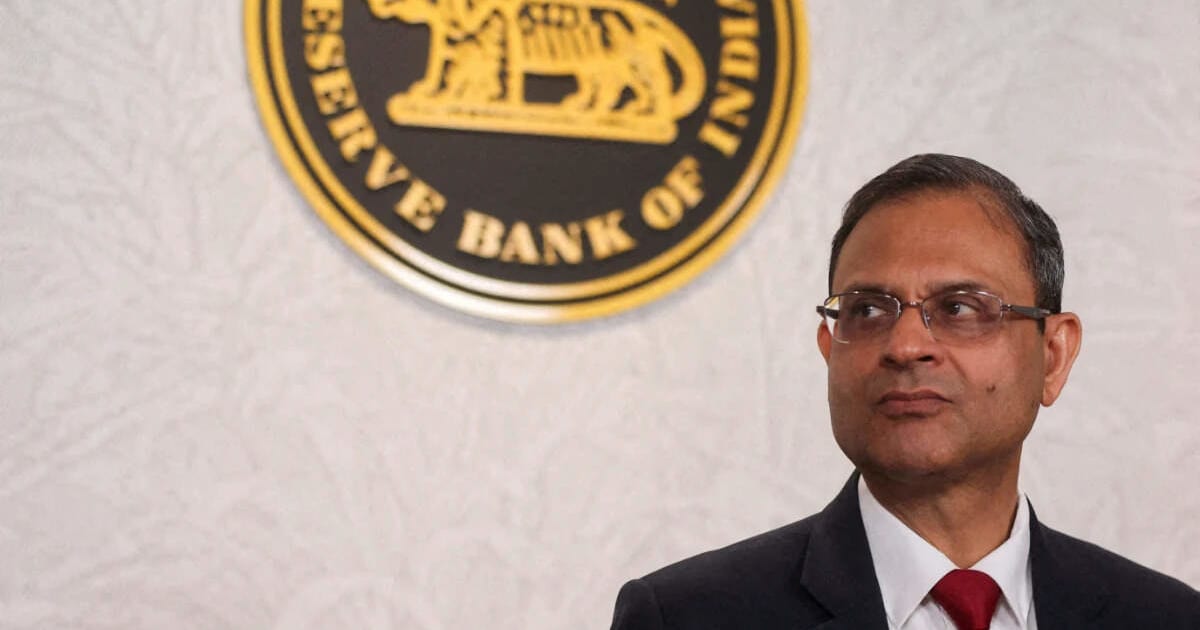
HDFC Bank has secured a three-month extension for interim chairman Keki Mistry, a strategic move approved by the RBI to maintain institutional stability. This decision comes during a pivotal integration phase for the bank, directly influencing investor sentiment across the Nifty 50 banking index.
The Strategic Mandate: Why HDFC Bank’s Leadership Matters
In the high-stakes environment of Indian banking, leadership is not merely a corporate appointment; it is a signal of institutional resilience. The Reserve Bank of India’s (RBI) recent approval of a three-month extension for Keki Mistry as interim chairman of HDFC Bank (NSE: HDFCBANK) serves as a tactical pause in the bank’s ongoing leadership transition. Following the historic merger with HDFC Ltd, the bank is navigating a complex shift in its balance sheet composition—moving from a housing finance giant to a universal banking powerhouse.
For investors, this extension acts as a circuit breaker against uncertainty. In the financial sector, governance vacuums are rarely tolerated by institutional capital. By retaining Mistry, a veteran with deep institutional memory, HDFC Bank effectively buys the time necessary to finalize a permanent succession plan that will satisfy both regulatory scrutiny and shareholder expectations.
How Does Leadership Continuity Impact Bank Stocks?
History provides a clear map for how banking stocks react to leadership changes. When a bank as systemic as HDFC—boasting a market capitalization exceeding ₹17 lakh crore—faces transition, the market demands predictability. We saw similar structural shifts during the leadership transition at ICICI Bank in 2018; the stock faced initial volatility before the market gained confidence in the strategic continuity. By opting for a short-term extension rather than a rushed permanent appointment, the RBI is prioritizing stability over haste.
The current P/E ratio of HDFC Bank, hovering near 18x-20x, reflects a market that is already pricing in the complexities of the merger integration. Any leadership instability would have likely compressed these multiples further. Instead, this extension allows the management team to focus on NIM (Net Interest Margin) expansion and credit-deposit ratio (CDR) alignment without the distraction of an immediate leadership search.
What is the long-term risk of relying on interim leadership?
While the extension is a net positive for stability, it is not a permanent solution. Prolonged reliance on interim chairmen can inadvertently signal a talent gap or a failure to align on a long-term strategic vision. If the three-month window closes without a clear successor, the market will shift from viewing this as 'stability' to viewing it as 'stagnation.' Investors must watch for the bank’s communication regarding the permanent nomination process, as any further delays could trigger a re-rating of the stock’s risk premium.
Stock-by-Stock Breakdown: The Ripple Effect
The stability of HDFC Bank acts as a bellwether for the broader private banking sector. Here is how the current situation impacts key players:
- HDFC Bank (NSE: HDFCBANK): Remains the anchor. The extension safeguards the current operational roadmap, vital for maintaining its 1.9% to 2.1% ROA (Return on Assets) targets.
- ICICI Bank (NSE: ICICIBANK): As the primary challenger, ICICI benefits from the stability of the sector leader. If HDFC Bank remains focused on integration, ICICI has a clearer path to capture market share in retail credit.
- Kotak Mahindra Bank (NSE: KOTAKBANK): Currently undergoing its own leadership transition, Kotak is watching HDFC’s process closely. A smooth transition at HDFC sets a regulatory precedent for how the RBI handles succession in private banks.
- Axis Bank (NSE: AXISBANK): Benefits from a stable banking index. As a high-beta play, Axis relies on the Nifty Bank index remaining buoyant, which is heavily correlated with HDFC Bank’s performance.
Expert Perspective: The Bull vs. Bear Case
The Bull Argument: The extension is a masterclass in risk management. It allows for a seamless handover of the post-merger integration responsibilities, ensuring that the bank’s massive retail franchise continues to operate without friction. It is a 'business as usual' signal that protects the stock’s floor.
The Bear Argument: The extension is a symptom of a deeper bottleneck. If the bank cannot find a permanent chair within a reasonable timeframe, it suggests that the regulatory requirements for the role are increasingly difficult to meet, or that the board is divided on the future direction of the institution.
Actionable Investor Playbook
Investors should view this development as a signal to maintain current positions rather than a trigger for aggressive accumulation or liquidation.
- Time Horizon: Monitor the next 90 days. If the bank announces a permanent successor within 60 days, it will be viewed as a bullish catalyst.
- Entry Points: For HDFCBANK, the current valuation provides a reasonable entry for long-term investors looking for exposure to India’s credit growth story.
- Watch the CDR: Regardless of leadership, monitor the bank’s Credit-to-Deposit ratio. If this improves in the next quarterly earnings, the stock will likely decouple from the leadership narrative.
Risk Matrix
| Risk Factor | Impact | Probability |
|---|---|---|
| Succession Delay | Medium | Moderate |
| Regulatory Tightening | High | Low |
| Integration Friction | High | Moderate |
What to Watch Next
The critical date to circle is the end of the three-month extension. Leading up to this, watch for the RBI’s communication on governance standards for large private banks. Furthermore, the upcoming quarterly results will be the ultimate test of whether the leadership 'bridge' is successfully managing the bank's operational KPIs. If deposit growth continues to lag credit growth, leadership concerns will move to the background, and fundamental banking metrics will return to the forefront of investor scrutiny.
See HDFCBANK's AI Score
Our algorithmic screener scores HDFCBANK on fundamentals, momentum, and risk — free to try, no card needed.
Try the AI Screener →Have questions about this story?
Ask Welth, our finance-focused AI research assistant, for a deeper breakdown — free trial included.
Chat with Welth AI →Disclaimer: This content is generated by WelthWest Research Desk based on publicly available reports and is for informational purposes only. It does not constitute financial advice, investment recommendations, or an offer to buy or sell securities. Always consult a qualified financial advisor before making investment decisions.