Key Takeaway
The post-merger transition is creating short-term margin headwinds that are forcing FIIs to rebalance portfolios. Investors should brace for continued volatility in the Nifty Bank index.
HDFC Bank’s recent slide is more than just a dip; it’s a structural shift as the market digests the complexities of its massive merger. With FIIs hitting the exit button, the ripple effect is being felt across the Nifty Bank index. We analyze what this means for your portfolio and which stocks are picking up the slack.
The HDFC Bank Hangover: Is the Market’s Favorite Stock Losing Its Magic?
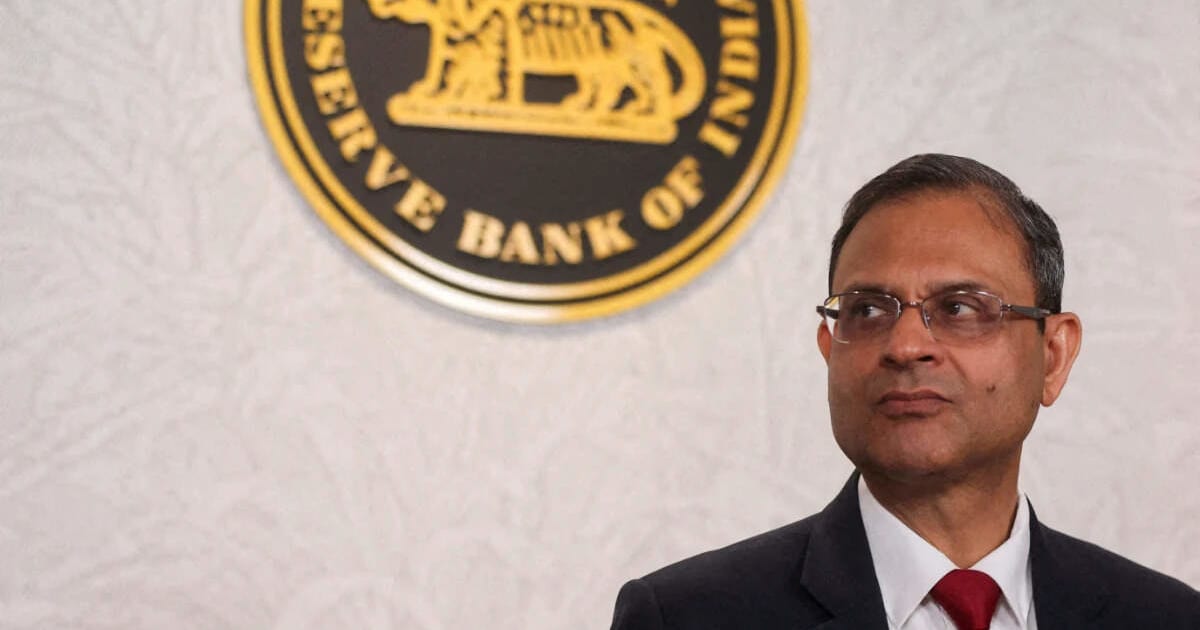
If you have been watching your portfolio’s banking exposure lately, you’ve likely felt the sting. HDFC Bank, the undisputed heavyweight of the Indian financial sector, has been under a sustained barrage of selling pressure. While the Reserve Bank of India (RBI) recently gave the green light to the lender’s transition arrangements following its mega-merger, the market’s reaction has been anything but celebratory.
For years, HDFC Bank has been the bedrock of the Nifty Bank index. When it sneezes, the entire Indian stock market catches a cold. But this isn’t just a seasonal flu; it’s a complex case of operational indigestion that is testing the patience of institutional investors.
The Anatomy of the Sell-Off
Why is the stock plummeting despite regulatory approval? The answer lies in the fine print of the transition. The market is increasingly anxious about margin compression. Integrating a massive housing finance entity is no small feat; it involves balancing a legacy loan book with new, aggressive growth targets. Investors are worried that the cost of funds and the operational integration will weigh heavily on the bank’s return on assets (ROA) in the coming quarters.
Furthermore, the FII (Foreign Institutional Investor) outflow trend is exacerbating the issue. Large-cap financial mutual funds, which are heavily overweight on HDFC Bank, are being forced to rebalance their portfolios as the stock’s weightage in indices undergoes scrutiny. This creates a vicious cycle: the price drops, triggering more selling, which drags the index down, prompting even more passive fund outflows.
Winners and Losers: The New Market Order
In the world of finance, one giant’s struggle is often another’s opportunity. As investors rotate out of HDFC Bank (HDFCBANK), we are seeing capital flow into direct competitors:
- ICICI Bank (ICICIBANK): Often viewed as the primary beneficiary of HDFC Bank’s weakness, ICICI has shown remarkable resilience. Its superior NIM (Net Interest Margin) management and cleaner asset quality are making it the preferred haven for institutional money.
- Axis Bank (AXISBANK): Axis is also seeing renewed interest as investors look for valuation comfort within the private banking space.
- Small Finance Banks (SFBs): A less obvious but critical trend is the migration of rural credit demand. Smaller players are aggressively capturing market share in segments where HDFC Bank is currently preoccupied with its internal transition.
On the flip side, large-cap financial mutual funds are feeling the heat. Because these funds are structurally tied to the performance of HDFC Bank, their NAVs are underperforming the broader market, leading to a potential churn in investor sentiment toward these funds.
What Should Investors Watch Next?
The next few quarters will be a litmus test for management. Investors need to move beyond the headline price and watch two specific metrics: LDR (Loan-to-Deposit Ratio) and NIMs. If the bank can prove that it is successfully mobilizing low-cost deposits to fund its expanded balance sheet, the narrative will shift from 'transition pain' to 'growth potential.'
However, until we see a stabilization in the selling volume, bottom-fishing is a dangerous game. The Nifty Bank index is likely to remain range-bound or volatile as long as HDFC Bank remains in its current downward trend.
Risks You Can’t Ignore
If you are holding banking stocks, keep these risks on your radar:
- Continued FII Outflows: If global interest rate environments remain 'higher for longer,' FIIs may continue to trim exposure to Indian large-caps, keeping pressure on the stock.
- Operational Complexity: Any delays in the transition phase could lead to earnings misses in upcoming quarters, which would be a major catalyst for further price erosion.
- Index Volatility: Because HDFC Bank has such a massive weight in the Nifty, its weakness provides a 'ceiling' for the index, making it difficult for the broader market to sustain a breakout.
The Bottom Line: The current sell-off is a reality check for the banking sector. While HDFC Bank remains a long-term powerhouse, the short-term transition phase is fraught with friction. For now, the smart money is playing defense, rotating into banks with more predictable margin profiles and waiting for the dust to settle on the merger integration.
See HDFCBANK's AI Score
Our algorithmic screener scores HDFCBANK on fundamentals, momentum, and risk — free to try, no card needed.
Try the AI Screener →Have questions about this story?
Ask Welth, our finance-focused AI research assistant, for a deeper breakdown — free trial included.
Chat with Welth AI →Disclaimer: This content is generated by WelthWest Research Desk based on publicly available reports and is for informational purposes only. It does not constitute financial advice, investment recommendations, or an offer to buy or sell securities. Always consult a qualified financial advisor before making investment decisions.