Key Takeaway
The US-Iran diplomatic impasse over the Strait of Hormuz is a critical macro overhang for India. Escalating tensions could spike crude oil prices, eroding corporate margins, fueling inflation, and weakening the Rupee, creating a challenging environment for net oil importers and specific sectors.

The delicate diplomatic dance between the US and Iran, particularly concerning the Strait of Hormuz and the nuclear deal, is creating ripples across global crude oil markets. For India, a nation heavily reliant on oil imports, this geopolitical tension translates directly into economic vulnerability, threatening to inflate import bills, stoke domestic inflation, and pressure the Indian Rupee. Our deep dive dissects the intricate connections and pinpoints the specific Indian stocks poised to win or lose amidst this high-stakes geopolitical drama.
Hormuz Tensions & Crude Prices: India's Market on Edge? A WelthWest Deep Dive
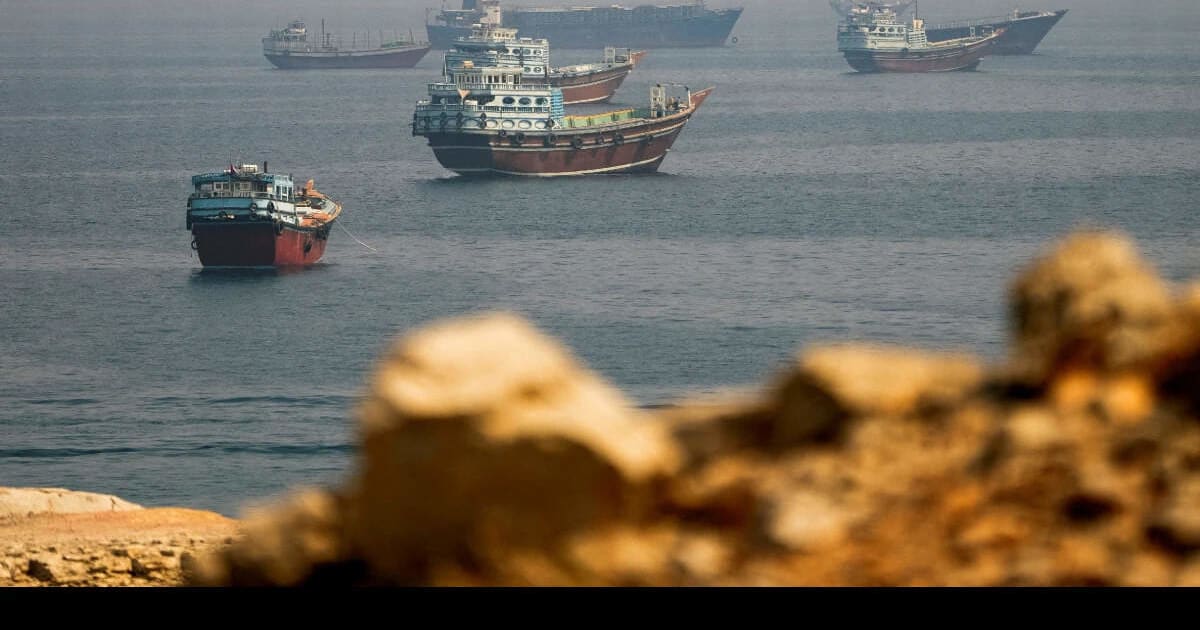
The geopolitical chessboard of the Middle East, specifically the intricate dance between the United States and Iran, continues to cast a long shadow over global energy markets. At the heart of this tension lies the Strait of Hormuz, a narrow yet critically important maritime chokepoint through which a significant portion of the world's seaborne oil supply traverses daily. The ongoing diplomatic stalemate, rooted in disagreements over Iran's nuclear program and regional security, isn't just a political talking point; it's a direct determinant of crude oil prices, and by extension, a potent force shaping India's economic trajectory and stock market performance. This WelthWest Research Desk analysis delves deep into the mechanisms through which these distant geopolitical tremors translate into tangible impacts on Indian households, corporate balance sheets, and investor portfolios.
Why does this matter now? The persistent lack of a breakthrough in US-Iran negotiations keeps the risk premium embedded in crude oil elevated. Any perceived escalation – a naval incident, a rhetoric flare-up, or a breakdown in indirect talks – can trigger an immediate, disproportionate surge in oil prices. For India, the world's third-largest oil consumer and over 85% reliant on imports, this translates directly into a higher import bill, threatening to widen the current account deficit, accelerate inflation, and put depreciatory pressure on the Indian Rupee. The interconnectedness of these factors means that investors cannot afford to overlook the Strait of Hormuz as a critical macro variable.
How Do US-Iran Tensions Directly Impact India's Economy and Stock Market?
The Strait of Hormuz is not merely a shipping lane; it is the jugular vein of global oil trade. Approximately one-fifth of the world's total petroleum liquids consumption, or about 21 million barrels per day (b/d), flows through this strait. Any disruption, real or perceived, sends shockwaves through the Brent and WTI crude futures markets. When oil prices climb, the cascading effects on India are profound. Historically, a $10/barrel increase in crude oil prices can worsen India's current account deficit by approximately 0.5% of GDP and add 0.2-0.3% to headline inflation, according to Reserve Bank of India (RBI) estimates. This economic strain directly translates into market sentiment, with foreign institutional investors (FIIs) often turning net sellers in periods of heightened crude volatility, impacting broader market liquidity and valuations.
Consider the historical parallel: In early 2022, geopolitical events pushed Brent crude past $120/barrel. During that period, the Nifty 50, India's benchmark index, corrected by over 10% from its peak, partly driven by concerns over inflation and the RBI's hawkish stance. While other global factors were at play, the surge in crude oil was a primary accelerant. The Indian Rupee, which traded around 74-75 levels against the USD in late 2021, depreciated sharply to over 82 by late 2022, primarily due to widening trade deficits and capital outflows exacerbated by higher energy costs. This correlation underscores the sensitivity of the Indian market to crude price movements, making the US-Iran dynamic a constant source of market anxiety for Indian investors.
Sector-level impacts are equally significant. Oil Marketing Companies (OMCs) bear the brunt of rising crude prices if they are unable to fully pass on costs to consumers due to government intervention or competitive pressures. Their gross refining margins (GRMs) can be squeezed, impacting profitability. Conversely, Oil Exploration & Production (E&P) companies stand to benefit from higher realizations, bolstering their top and bottom lines. The ripple effect extends to manufacturing sectors that rely on crude derivatives as feedstock, such as chemicals and plastics, facing increased input costs. Logistics and shipping companies may see higher bunker fuel costs and increased insurance premiums for voyages through sensitive regions, impacting their operational profitability.
Which Indian Stocks Are Most Exposed to Hormuz Volatility?
The direct and indirect impacts of US-Iran tensions create a clear delineation of winners and losers within the Indian equity market. Investors need to carefully assess their portfolio's exposure to these macro headwinds.
- Oil Marketing Companies (OMCs) – Bearish Impact:
- Indian Oil Corporation (IOC) (NSE: IOC): As India's largest OMC, IOC's profitability is highly sensitive to crude price volatility and the government's pricing decisions for retail fuels. With a market capitalization exceeding ₹2.5 trillion, even a slight compression in marketing margins due to rising crude can significantly impact its quarterly earnings. For instance, in periods of high crude and controlled retail prices, IOC's marketing segment has historically reported losses, offsetting gains from refining.
- Bharat Petroleum Corporation (BPCL) (NSE: BPCL): Similar to IOC, BPCL, with a market cap of around ₹1.2 trillion, faces margin pressure from elevated crude. While refining margins might offer some cushion, the core marketing business suffers when input costs cannot be fully passed on.
- Hindustan Petroleum Corporation (HPCL) (NSE: HINDUPETRO): HPCL, another major OMC (market cap ~₹750 billion), also experiences a direct hit to its profitability from rising crude. The combined effect on these three OMCs is significant, given their substantial weight in the Nifty Energy index.
- Oil Exploration & Production (E&P) Companies – Bullish Impact:
- Oil and Natural Gas Corporation (ONGC) (NSE: ONGC): As India's largest crude oil and natural gas producer, ONGC (market cap ~₹3.5 trillion) is a direct beneficiary of higher crude prices. Each $1/barrel increase in crude oil prices can translate into an incremental operating profit of hundreds of crores for ONGC, assuming stable production. Its P/E ratio, often trading in the mid-single digits, can see re-rating potential in a sustained high crude environment.
- Oil India Ltd (NSE: OIL): A smaller but significant E&P player (market cap ~₹700 billion), Oil India also sees its realizations improve with rising crude prices. Its integrated operations, including some downstream presence, provide a degree of diversification, but the upstream segment remains the primary driver of profitability in a high-crude scenario.
- Reliance Industries Ltd (NSE: RELIANCE) (Upstream Segment): While RIL is a diversified conglomerate, its upstream oil and gas exploration division, particularly its KG-D6 basin assets, benefits from higher gas and crude prices. Though a smaller portion of its overall revenue, a sustained increase in energy prices can contribute positively to its consolidated profitability.
- Airlines – Bearish Impact:
- InterGlobe Aviation (IndiGo) (NSE: INDIGO): Fuel costs typically constitute 35-40% of an airline's operating expenses. A significant rise in crude prices directly inflates Aviation Turbine Fuel (ATF) costs, severely impacting IndiGo's (market cap ~₹1.8 trillion) already thin margins. Even a 5-10% rise in ATF prices can wipe out a substantial portion of quarterly profits if not offset by fare hikes, which can dampen demand.
- SpiceJet Ltd (BSE: 500285): As a budget carrier, SpiceJet is even more vulnerable to fuel price volatility due to its cost-sensitive operational model and often weaker balance sheet compared to larger peers.
- Automobile Sector – Bearish Impact:
- Maruti Suzuki India Ltd (NSE: MARUTI): Higher fuel prices lead to increased running costs for vehicle owners, which can dampen consumer demand for new cars, especially in the entry-level and compact segments where Maruti (market cap ~₹3.9 trillion) has a dominant share. This indirect impact on demand can affect sales volumes and revenue.
- Tata Motors Ltd (NSE: TATAMOTORS): While Tata Motors (market cap ~₹3.5 trillion) has a diversified portfolio including commercial vehicles and luxury cars (JLR), its domestic passenger vehicle business and CV segment are also sensitive to fuel costs, which impact fleet operators' profitability and consumer purchasing decisions.
Expert Perspective: Bulls vs. Bears on Crude & India's Outlook
The current geopolitical landscape presents a complex picture, leading to divergent views among market strategists. The 'bears' on the Indian market, particularly those focused on macro fundamentals, would argue that the persistent US-Iran stalemate represents a significant, unquantifiable risk. They would highlight India's structural vulnerability as a net oil importer, emphasizing that any sustained crude price above $85-90/barrel fundamentally alters the country's macro stability. Their argument rests on the premise that global growth remains fragile, and high energy prices could trigger a stagflationary environment, forcing the RBI to maintain a hawkish stance for longer, thereby impacting corporate credit growth and equity valuations. They might point to the Indian Rupee's historical tendency to depreciate against the USD in such scenarios, further exacerbating imported inflation and making FII outflows a significant concern.
Conversely, the 'bulls' might offer a more nuanced perspective. They would acknowledge the crude risk but argue that India's domestic demand story, coupled with ongoing government infrastructure spending and corporate deleveraging, provides a strong enough counter-narrative. They might also suggest that global oil demand could soften if economic slowdowns materialize in major economies, thereby capping crude's upside even amidst geopolitical tensions. Furthermore, some bulls might highlight that the market has already priced in a significant portion of this geopolitical risk, and any diplomatic de-escalation, even a minor one, could lead to a swift retracement in crude prices, offering a 'relief rally' for vulnerable sectors. They might also point to the resilience of Indian equities through various past crises, suggesting that domestic flows and structural reforms could cushion the blow.
A contrarian view might also emerge, suggesting that the very predictability of this 'crisis' means market participants have already adjusted. The 'new normal' of elevated geopolitical risk, they argue, has led to companies building in higher cost assumptions and central banks adopting cautious monetary policies. Thus, only an extreme, unforeseen escalation would truly surprise the market, making the current situation more of a persistent headwind than an immediate shock.
Actionable Investor Playbook: Navigating the Geopolitical Crosscurrents
For discerning investors, the current environment demands a strategic and agile approach. Blindly reacting to every headline can be detrimental. Instead, a well-thought-out playbook, blending defensive positioning with opportunistic long-term plays, is crucial.
- Defensive Plays (Consider Increasing Allocation):
- E&P Stocks (ONGC, Oil India): These are direct beneficiaries of rising crude. Consider accumulating on dips, with a time horizon of 6-12 months, anticipating sustained geopolitical risk premium in oil. Entry points could be strategically chosen during temporary crude price corrections.
- Commodity Exporters (Select Metals & Mining): While not directly linked to crude, a broader rise in commodity prices due to inflation could indirectly benefit select Indian commodity exporters.
- IT Services (TCS, Infosys): As net exporters, IT companies benefit from a depreciating Rupee, which is a likely outcome of higher crude prices. Their dollar-denominated revenues provide a natural hedge against domestic inflation.
- Cautionary / Reduce Exposure (Watch Closely):
- OMCs (IOC, BPCL, HPCL): These are highly vulnerable. If crude prices remain elevated or rise further, their marketing margins will be squeezed. Monitor government's stance on retail fuel pricing. Consider reducing exposure or maintaining a very short-term trading view only.
- Airlines (IndiGo, SpiceJet): Fuel is a massive cost. Unless they can consistently raise fares without impacting demand, profitability will be under severe pressure. Avoid fresh long positions until crude stabilizes.
- Automobiles (Maruti, Tata Motors): Indirect impact through demand destruction. Watch monthly sales figures closely. Long-term investors might hold, but short-to-medium term traders should be cautious.
- Chemicals & Petrochemicals: Companies reliant on crude derivatives as feedstock will face higher input costs. Evaluate individual company's ability to pass on costs.
- Watchlist & Key Indicators:
- Brent Crude Futures: Closely monitor the $85-$90/barrel range. A sustained break above $90 could signal further trouble.
- USD-INR Exchange Rate: Track movement towards 83.5-84. A sharp depreciation could trigger FII selling.
- India's Current Account Deficit (CAD): Keep an eye on quarterly CAD data. A widening deficit will pressure the Rupee.
- RBI Monetary Policy Statements: Look for any shifts in inflation outlook or policy stance due to crude.
- Diplomatic News Wires: Any reports of direct US-Iran talks or de-escalation could be a positive catalyst.
Risk Matrix: Assessing Probabilities for Indian Investors
Understanding the potential risks and their likelihood is paramount for informed decision-making in this volatile environment.
- Risk 1: Escalation of US-Iran Tensions (Probability: Medium-High)
- Description: A significant incident in the Strait of Hormuz, direct military confrontation, or complete breakdown of diplomatic channels.
- Impact: Brent crude could surge past $100-$110/barrel. Severe impact on India's CAD, inflation, and Rupee. Sharp correction across broad market, particularly for oil-sensitive sectors.
- Risk 2: Prolonged Diplomatic Stalemate (Probability: High)
- Description: No significant breakthrough or escalation, leading to continued uncertainty and elevated risk premium in crude.
- Impact: Crude prices remain in the $80-$95/barrel range, creating a persistent drag on OMCs, airlines, and auto sectors. Moderate inflationary pressure, gradual Rupee depreciation. Broader market remains range-bound with underperformance from vulnerable sectors.
- Risk 3: Global Economic Slowdown (Probability: Medium)
- Description: A more severe-than-expected global recession, particularly in major economies like the US or China.
- Impact: Could lead to a significant drop in global oil demand, easing crude prices despite geopolitical tensions. While this would offer relief to India's import bill, it might also dampen export growth and overall economic activity, impacting broad market sentiment negatively.
- Risk 4: Diplomatic Breakthrough (Probability: Low-Medium)
- Description: A surprise agreement on the nuclear deal or significant de-escalation of tensions, potentially leading to increased Iranian oil supply.
- Impact: Crude prices could fall sharply, providing significant relief to India's economy. OMCs, airlines, and auto sectors would see a strong rebound. Rupee would strengthen, and inflation would ease, creating a positive environment for equity markets.
What to Watch Next: Catalysts Moving the Needle
The narrative around US-Iran tensions and their market impact is dynamic, driven by a series of ongoing events and data releases. Investors must remain vigilant for these key catalysts:
- Upcoming US-Iran Indirect Talks: Any scheduled or unscheduled diplomatic engagements, even indirect ones, will be closely scrutinized for signs of progress or further entrenchment. Public statements from either side following these interactions will be critical.
- OPEC+ Production Decisions (Next Meeting Date: TBD, often quarterly): The cartel's decisions on crude oil production quotas directly influence global supply. Any unexpected cuts or increases could significantly alter crude price trajectories, regardless of geopolitical tensions.
- Weekly EIA & API Crude Inventory Reports (Every Wednesday/Tuesday): These US-specific inventory data points provide a weekly snapshot of demand and supply dynamics in the world's largest consumer and producer, offering clues on short-term price movements.
- India's Inflation & Industrial Production Data (Monthly): The CPI (Consumer Price Index) and WPI (Wholesale Price Index) releases, typically around the 12th of each month, will reveal the extent to which higher crude prices are translating into domestic inflationary pressures. Industrial Production (IIP) data will indicate the health of manufacturing, which can be impacted by higher input costs.
- India's Trade Balance & Current Account Data (Quarterly): These reports, released by the RBI, will directly show the impact of crude imports on India's external finances and the Rupee.
- Naval Activities in the Strait of Hormuz: Any reports from maritime security agencies or international media regarding unusual naval maneuvers or incidents in the Strait of Hormuz could trigger immediate market reactions.
In conclusion, the US-Iran diplomatic stalemate is not a distant geopolitical abstraction for Indian investors. It is a tangible force, directly impacting the price of crude oil, which in turn dictates India's economic stability and the fortunes of numerous listed companies. A nuanced understanding of this intricate relationship, coupled with a proactive investment strategy, will be key to navigating the turbulent waters ahead. WelthWest Research Desk will continue to monitor these developments, providing data-driven insights to help you make informed decisions.
See ONGC's AI Score
Our algorithmic screener scores ONGC on fundamentals, momentum, and risk — free to try, no card needed.
Try the AI Screener →Have questions about this story?
Ask Welth, our finance-focused AI research assistant, for a deeper breakdown — free trial included.
Chat with Welth AI →Disclaimer: This content is generated by WelthWest Research Desk based on publicly available reports and is for informational purposes only. It does not constitute financial advice, investment recommendations, or an offer to buy or sell securities. Always consult a qualified financial advisor before making investment decisions.