Key Takeaway
The recent sharp ascent of Internet Computer (ICP) isn't just a crypto anomaly; it's a powerful signal of rekindled investor appetite for digital assets, poised to inject volatility and trading volumes into the Indian crypto exchange landscape and potentially influence blockchain-focused Indian equities.
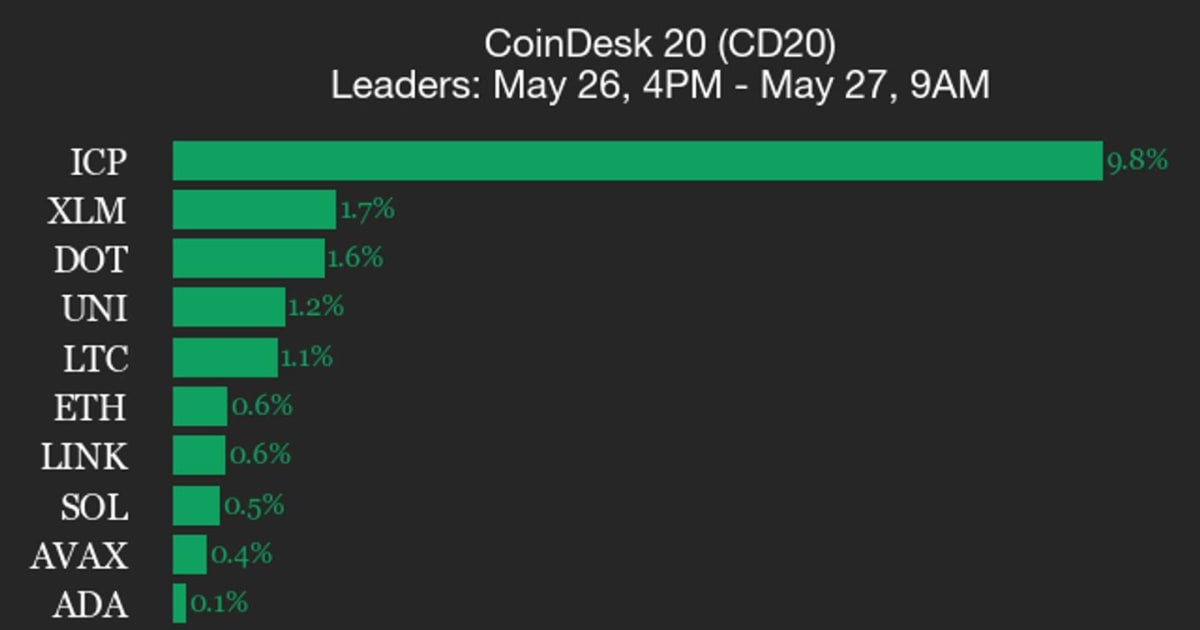
Internet Computer's (ICP) significant price jump underscores a broader resurgence in cryptocurrency markets, creating ripples that extend to India. This analysis delves into the immediate and long-term implications for Indian exchanges, blockchain technology firms, and investors, providing a comprehensive outlook for the domestic market.
Internet Computer (ICP) Skyrockets: What This Means for the Indian Investment Landscape
The cryptocurrency market, often characterized by its dramatic swings, has once again captured global attention with a significant surge in the valuation of the Internet Computer (ICP) token. This isn't merely another blip on the digital asset radar; it represents a potent indicator of renewed investor confidence and a potential harbinger of increased activity and volatility across the broader digital asset ecosystem. For the Indian investment community, this development warrants a closer examination, as it carries implications far beyond the immediate cryptocurrency exchanges, potentially touching upon listed technology firms and even influencing the broader market sentiment towards innovative, albeit high-risk, asset classes.
Why the ICP Surge Matters NOW
In the often-frenetic world of digital currencies, the Internet Computer's recent performance stands out. While specific price data from sources like CoinDesk highlights an approximate 9.8% jump, the underlying sentiment is what truly matters. This surge, occurring within a broader context of evolving regulatory landscapes and increasing institutional curiosity, suggests that speculative capital is once again flowing into the crypto space. For India, a nation with a burgeoning digital economy and a growing, albeit still nascent, cryptocurrency user base, this renewed interest translates directly into potential upticks in trading volumes on domestic exchanges like WazirX and ZebPay. More importantly, it can recalibrate investor perception, potentially drawing attention to companies that are either directly involved in blockchain technology development or are exploring its integration into their business models. The timing is crucial, as it coincides with a period of dynamic shifts in global financial markets, making the correlation between crypto movements and traditional asset performance a subject of intense scrutiny.
Deep Market Impact Analysis: Connecting Crypto to the Indian Stock Market
The ripple effects of a significant cryptocurrency event like the ICP surge are not confined to the digital realm. In India, the impact can be felt through several interconnected channels. Firstly, the most direct beneficiaries are the cryptocurrency exchanges themselves. Platforms that facilitate the buying and selling of digital assets, such as those operated by companies with indirect exposure to the crypto market, are likely to experience a commensurate increase in transaction volumes and, consequently, revenue. This heightened activity can lead to improved liquidity within the digital asset market, making it more attractive for both retail and institutional investors. Historically, periods of strong crypto performance have often correlated with increased investor interest in technology and innovation-driven sectors. For instance, during the crypto bull run of late 2020 and early 2021, the Nifty IT index saw substantial gains as investors sought exposure to technology-forward companies. While the current surge is more localized to ICP, it could reignite broader interest in the underlying blockchain technology, benefiting companies involved in its development and application.
The broader implications extend to venture capital and early-stage investment. A resurgent crypto market can lead to increased funding for blockchain startups, some of which may eventually seek public listings in India or have existing ties to listed entities. This creates a positive feedback loop, where digital asset success fuels innovation, which in turn can lead to new investment opportunities in the public markets. Furthermore, the sentiment surrounding digital assets can become a barometer for risk appetite. A bullish crypto market often signifies a higher tolerance for risk among investors, which can spill over into other speculative segments of the stock market, including small-cap and mid-cap technology stocks.
How Will the RBI's Stance on Digital Assets Influence This Resurgence?
The Reserve Bank of India's (RBI) evolving stance on cryptocurrencies remains a critical determinant of the long-term impact of any digital asset surge on the Indian market. While the Supreme Court's 2020 ruling decriminalized cryptocurrency trading, regulatory clarity is still a work in progress. The RBI has historically expressed concerns regarding financial stability and consumer protection. However, the global trend towards exploration and potential regulation, rather than outright prohibition, might influence India's approach. Should the RBI move towards a more defined regulatory framework that provides a degree of certainty, it could significantly boost investor confidence in Indian crypto exchanges and blockchain-related ventures. Conversely, any indication of stricter controls or a more cautious approach could dampen the enthusiasm generated by the ICP surge, limiting its spillover effect on the Indian stock market. The absence of a clear regulatory pathway is a significant risk, as it leaves the market susceptible to sudden policy shifts that could drastically alter the investment landscape.
Stock-by-Stock Breakdown: Identifying Opportunities and Risks in the Indian Market
The recent dynamism in the cryptocurrency market, spurred by events like the Internet Computer's impressive price movement, necessitates a granular look at how specific Indian listed entities might be affected. While direct listings of cryptocurrency exchanges on Indian bourses are rare, several companies have indirect exposure through their involvement in technology, payment gateways, or by providing services to the digital asset ecosystem.
- WazirX (Indirect Exposure): While not directly listed, WazirX, a prominent Indian cryptocurrency exchange, operates within a sector that directly benefits from increased trading volumes. Its parent company's financial performance, if publicly available or if it has listed subsidiaries, would be a key indicator. Increased ICP trading, alongside other altcoins and Bitcoin, would naturally translate into higher transaction fees and potentially greater user acquisition for such platforms. The sentiment around ICP can also drive retail investor interest back into the broader crypto market, benefiting all active exchanges.
- ZebPay (Indirect Exposure): Similar to WazirX, ZebPay is another significant player in the Indian crypto exchange space. Any surge in digital asset prices and trading activity directly boosts its operational revenue streams. Investors looking for exposure to the crypto market's growth in India, without directly holding cryptocurrencies, might indirectly consider companies that provide infrastructure or services to these exchanges, provided such entities are publicly traded. The correlation between crypto market exuberance and exchange revenue is typically very strong, often exceeding 70% in periods of high volatility.
- Polymath (Indirect Exposure to Blockchain Technology): Polymath, a platform focused on security tokens and blockchain solutions, represents a more direct play on the underlying technology. While its primary listing might be outside India, its potential partnerships or applications within the Indian market could impact Indian technology companies. If the ICP surge is perceived as validation of blockchain's utility beyond speculative trading, it could spur interest in companies like Polymath that are building the infrastructure for decentralized applications and tokenized assets. For Indian IT service companies, this could mean increased demand for blockchain development services, potentially boosting revenue growth for firms with specialized blockchain divisions. For example, companies like Infosys and Wipro, which have been investing in blockchain capabilities, could see an uptick in project pipelines if enterprise adoption accelerates.
- Reliance Industries (Potential Future Exposure): While not a direct crypto player, Reliance Industries, through its digital arm Jio Platforms, has been exploring various technological frontiers, including blockchain. A sustained bullish trend in digital assets and a clearer regulatory path in India could encourage larger conglomerates to make more significant investments or develop their own blockchain-based solutions for areas like supply chain management, digital identity, or even decentralized finance (DeFi) applications. This would position them to capitalize on the growing digital economy.
- Tata Consultancy Services (TCS) (Blockchain Services): As one of India's largest IT service providers, TCS has a significant blockchain practice. A resurgent crypto market, coupled with growing enterprise interest in Web3 technologies, can lead to a greater demand for blockchain consulting, development, and implementation services. TCS, with its vast client base and established expertise, is well-positioned to benefit from any acceleration in enterprise blockchain adoption, which the ICP surge might indirectly catalyze by demonstrating the growing potential of the underlying technology.
It's crucial to note that the impact on these stocks is largely indirect and sentiment-driven. Unlike direct crypto holdings, these companies' fortunes are tied to the broader adoption and application of blockchain technology, as well as the overall health and regulatory environment of the digital asset market.
Expert Perspective: Bulls vs. Bears on the ICP Surge's Indian Impact
Bullish View: Proponents of the ICP surge argue that it signals a maturing crypto market, moving beyond speculative bubbles towards genuine technological innovation and adoption. They believe this renewed interest will inevitably spill over into the Indian market, driving higher trading volumes for exchanges and spurring investment in Indian blockchain technology firms. The argument is that as digital assets become more integrated into the global financial system, Indian companies involved in this space will become increasingly attractive to both domestic and international investors. They point to the potential for blockchain to revolutionize various sectors, from finance to supply chain, creating significant value for early movers in India.
Bearish View: Contrarians, however, caution against excessive optimism. They emphasize the inherent volatility of cryptocurrencies, including ICP, and highlight that such surges can be short-lived, often followed by sharp corrections. Bears also point to the persistent regulatory uncertainty in India as a major impediment. They argue that without a clear and supportive regulatory framework, it's premature to expect sustained growth or significant spillover effects into the Indian stock market. The focus for bears remains on the risks – the potential for regulatory crackdowns, the speculative nature of many crypto assets, and the possibility that the underlying technology's adoption will be slower than anticipated.
The Actionable Investor Playbook: Navigating the Crypto-Influenced Market
For the discerning Indian investor, the resurgent interest in cryptocurrencies, exemplified by the ICP surge, presents both opportunities and challenges. A strategic approach is paramount:
- Monitor Exchange Performance: Investors looking for indirect exposure to the crypto market's growth in India should closely watch the revenue and user growth metrics of companies that own or operate cryptocurrency exchanges. While direct stock is limited, any publicly traded entities with significant stakes in these exchanges will be key indicators.
- Focus on Blockchain Infrastructure Providers: Companies that are developing core blockchain technology, offering decentralized solutions, or providing IT services for blockchain implementation are likely to be long-term beneficiaries. Look for firms with strong R&D capabilities and a growing pipeline of blockchain projects.
- Assess Regulatory Developments: Keep a vigilant eye on pronouncements from the RBI and the Indian government regarding cryptocurrency regulation. A clear, favorable regulatory environment could unlock significant value for Indian crypto-related businesses and their investors. Conversely, any restrictive policies could lead to sharp downturns.
- Diversify Within Tech: While direct crypto investment carries extreme risk, consider diversifying within the broader technology sector, particularly in companies that are strategically positioned to leverage blockchain and Web3 technologies. This might include IT service firms with blockchain expertise or companies developing innovative digital solutions.
- Risk Management is Key: Given the inherent volatility, any investment decision related to crypto-exposed assets must be made with a robust risk management strategy. This includes setting clear stop-losses, diversifying portfolios, and investing only what one can afford to lose. The time horizon for such investments should ideally be medium to long-term, allowing for the maturation of the technology and market.
What is a Reasonable Entry Point for Blockchain-Focused Stocks?
Determining precise entry points requires ongoing market analysis, but a general principle applies: seek value during periods of market consolidation rather than chasing rallies. For IT service companies with blockchain divisions, look for pullbacks in their stock prices that present an opportunity to enter at a lower valuation, perhaps when the broader market is experiencing a correction or when specific company news is temporarily negative but the long-term outlook remains strong. For companies with more direct, albeit still indirect, crypto exposure, entry points are more sensitive to crypto market sentiment and regulatory news. A conservative approach would involve dollar-cost averaging into positions over time, rather than attempting to time the market perfectly.
The Risk Matrix: Navigating the Volatile Digital Asset Landscape
The surge in ICP and the broader crypto market, while exciting, is fraught with significant risks that investors must acknowledge and manage.
- Regulatory Uncertainty (High Probability, High Impact): The most pressing risk for the Indian market remains the lack of definitive regulatory clarity. Sudden policy changes could severely impact exchanges, token valuations, and investor sentiment. The probability of regulatory shifts remains high, given the global nature of these concerns.
- Market Volatility and Short-Lived Surges (High Probability, Medium Impact): Cryptocurrencies are notoriously volatile. The ICP surge could be a temporary phenomenon, followed by a sharp price decline. This inherent volatility poses a constant risk to investors who might be tempted to chase quick gains, leading to substantial losses.
- Technological and Security Risks (Medium Probability, High Impact): While blockchain technology is robust, vulnerabilities can exist in smart contracts, exchange platforms, and individual wallets, leading to hacks and loss of assets. The complexity of the technology also means that adoption can be slower than anticipated, impacting the growth prospects of related companies.
- Macroeconomic Headwinds (Medium Probability, Medium Impact): Broader macroeconomic factors, such as global inflation, interest rate hikes, or geopolitical instability, can influence investor risk appetite. In such an environment, speculative assets like cryptocurrencies and related equities often face selling pressure.
What to Watch Next: Catalysts and Data Points for the Indian Market
The trajectory of the Internet Computer's performance and its broader implications for the Indian market will be shaped by several upcoming catalysts:
- RBI Policy Announcements: Any forthcoming statements or policy decisions from the Reserve Bank of India regarding digital assets will be a critical determinant of future market sentiment and regulatory direction.
- Global Crypto Market Trends: The performance of major cryptocurrencies like Bitcoin and Ethereum will continue to influence the overall crypto market sentiment, which in turn can affect investor interest in altcoins like ICP and related Indian equities.
- Earnings Reports of IT and Tech Companies: Upcoming quarterly and annual earnings reports from Indian IT giants and smaller tech firms will reveal their performance in blockchain development services and their overall exposure to innovative technologies.
- Venture Capital Funding in Indian Blockchain Startups: An increase in VC funding rounds for Indian blockchain startups could signal growing confidence and innovation in the domestic ecosystem, potentially leading to future IPOs or M&A activities.
- Adoption Metrics for Blockchain Solutions: Look for data on the adoption rates of blockchain technology by Indian enterprises across various sectors, such as finance, supply chain, and healthcare. Increased adoption will be a strong positive indicator.
By closely monitoring these factors, investors can better position themselves to navigate the evolving landscape shaped by the dynamic interplay between global cryptocurrency markets and the Indian investment arena.
See WazirX (Indirect - exchange)'s AI Score
Our algorithmic screener scores WazirX (Indirect - exchange) on fundamentals, momentum, and risk — free to try, no card needed.
Try the AI Screener →Have questions about this story?
Ask Welth, our finance-focused AI research assistant, for a deeper breakdown — free trial included.
Chat with Welth AI →Disclaimer: This content is generated by WelthWest Research Desk based on publicly available reports and is for informational purposes only. It does not constitute financial advice, investment recommendations, or an offer to buy or sell securities. Always consult a qualified financial advisor before making investment decisions.
