Key Takeaway
While the misappropriation is localized to a specific government account, the breach signals potential gaps in internal compliance oversight. Investors should weigh immediate reputational noise against the bank's long-term digital-first growth thesis.
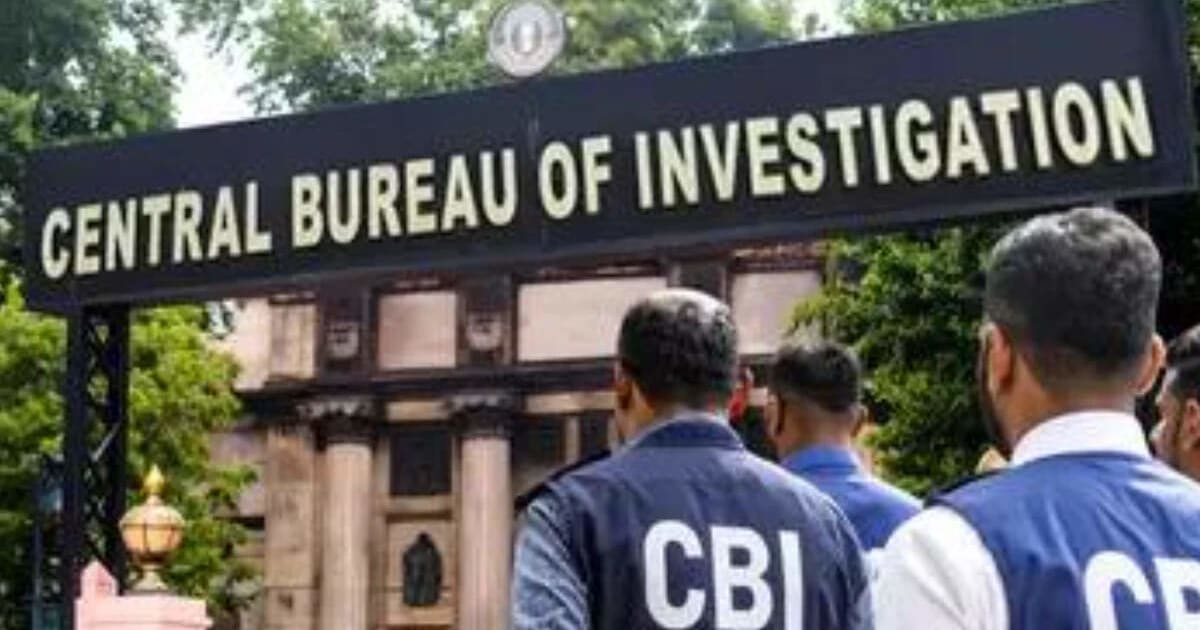
The arrest of a high-ranking IAS official in connection with an IDFC First Bank fund diversion case has triggered volatility for the lender. We analyze the regulatory risks, the potential for an RBI audit, and what this governance lapse means for the broader Indian banking sector.
The Governance Alarm: Decoding the IDFC First Bank-IAS Controversy
The recent arrest of a senior IAS officer by the Central Bureau of Investigation (CBI) regarding alleged fund misappropriation at an IDFC First Bank branch has sent ripples through the banking sector. While the financial quantum of the alleged fraud is currently under investigation, the market reaction is driven by a singular, potent fear: regulatory scrutiny. For a bank that has spent the last five years aggressively pivoting from an infrastructure-heavy lender to a robust retail-deposit franchise, any question regarding its institutional control mechanisms is a significant headwind.
Investors must distinguish between a 'systemic' failure and an 'operational' lapse. Historically, Indian banking stocks suffer when the narrative shifts from 'growth' to 'compliance.' When Yes Bank faced governance concerns in 2018-2019, the stock plummeted from over ₹300 to under ₹20, illustrating the extreme sensitivity of retail depositors and institutional investors to the perceived integrity of a bank’s internal audit function.
How will the CBI probe impact IDFC First Bank's stock valuation?
The immediate impact on IDFC First Bank (NSE: IDFCFIRSTB) is likely to be psychological rather than balance-sheet driven. As of current reporting, the bank’s capital adequacy ratio remains healthy, and its CASA (Current Account Savings Account) growth trajectory has been a standout performer in the private banking space. However, the market is currently pricing in a 'governance discount.'
With a market capitalization of approximately ₹50,000 - ₹55,000 crore, IDFC First Bank trades at a Price-to-Book (P/B) ratio that is highly sensitive to ROA (Return on Assets) expectations. If the RBI determines that the branch-level oversight was inadequate, we could see a temporary freeze on new government-related mandates or increased compliance costs that could compress margins by 5-10 basis points in the upcoming quarter.
The Sector-Level Ripple Effect
The broader banking index, Nifty Bank, is highly reactive to governance news. When similar incidents occurred in 2022, the Nifty Bank index saw a 3-4% correction within a week. The current environment is particularly sensitive given the RBI's ongoing focus on 'Know Your Customer' (KYC) norms and anti-money laundering (AML) protocols. Other mid-sized private banks, such as City Union Bank (CUB) and Federal Bank, may also witness sympathy selling as investors re-evaluate the operational risks associated with managing high-value government deposits.
Stock-by-Stock Analysis: Who is in the Line of Fire?
- IDFC First Bank (IDFCFIRSTB): The primary casualty. Expect volatility until the bank releases a formal forensic audit report. Support levels are currently testing the ₹70-₹75 range.
- HDFC Bank (HDFCBANK): Often seen as the 'safe haven.' Expect institutional rotation from mid-tier private banks into HDFC Bank if the governance narrative persists.
- State Bank of India (SBIN): As the primary handler of government accounts, any tightening of norms resulting from this case could paradoxically benefit the incumbent, as they have the most robust compliance infrastructure for government funds.
- Bandhan Bank (BANDHANBNK): Already facing its own asset quality challenges, the 'governance' tag attached to the sector may exacerbate selling pressure on the stock.
The Contrarian Perspective: Why Bulls Might Be Right
A contrarian investor would argue that the market is overreacting. The bull case rests on the fact that V. Vaidyanathan’s leadership at IDFC First Bank has been defined by extreme transparency. Bulls argue that the bank is a victim of an external actor (the IAS officer) rather than an internal systemic rot. If the bank proactively discloses the extent of the lapse and strengthens its internal controls, the stock could see a 'V-shaped' recovery once the news cycle shifts.
Investor Playbook: Navigating the Volatility
For long-term investors, this is not a moment to panic-sell, but rather a moment to reassess the Risk-Adjusted Return.
- Avoid Bottom-Fishing: Do not add to your IDFC First Bank position until the RBI makes a statement or the bank issues a detailed clarification.
- Monitor CASA Trends: If the bank's quarterly results show a dip in government deposits, it indicates that institutional clients are pulling back due to the reputational hit.
- Focus on Earnings: The upcoming quarterly results will be the ultimate litmus test. If the bank reports strong NIMs (Net Interest Margins) despite the noise, the fundamentals remain intact.
Risk Matrix
| Risk Factor | Probability | Impact |
|---|---|---|
| RBI Penalty/Audit | High | Moderate |
| Loss of Govt Mandates | Moderate | High |
| Systemic Governance Re-rating | Low | Very High |
What to Watch Next
The next 30 days are critical. Keep a close watch on the RBI’s monthly bulletin for any mention of tightened compliance for private banks handling government schemes. Furthermore, monitor the bank’s communication regarding its internal investigation. If the bank remains silent, the market will assume the worst. Conversely, a swift, transparent resolution could restore confidence faster than the market currently anticipates.
See IDFCFIRSTB's AI Score
Our algorithmic screener scores IDFCFIRSTB on fundamentals, momentum, and risk — free to try, no card needed.
Try the AI Screener →Have questions about this story?
Ask Welth, our finance-focused AI research assistant, for a deeper breakdown — free trial included.
Chat with Welth AI →Disclaimer: This content is generated by WelthWest Research Desk based on publicly available reports and is for informational purposes only. It does not constitute financial advice, investment recommendations, or an offer to buy or sell securities. Always consult a qualified financial advisor before making investment decisions.