Key Takeaway
India's record-breaking foreign exchange reserves signal robust external strength, potentially stabilizing the rupee and attracting foreign capital. Investors should brace for a bullish sentiment across key sectors, though export-oriented businesses may face headwinds.
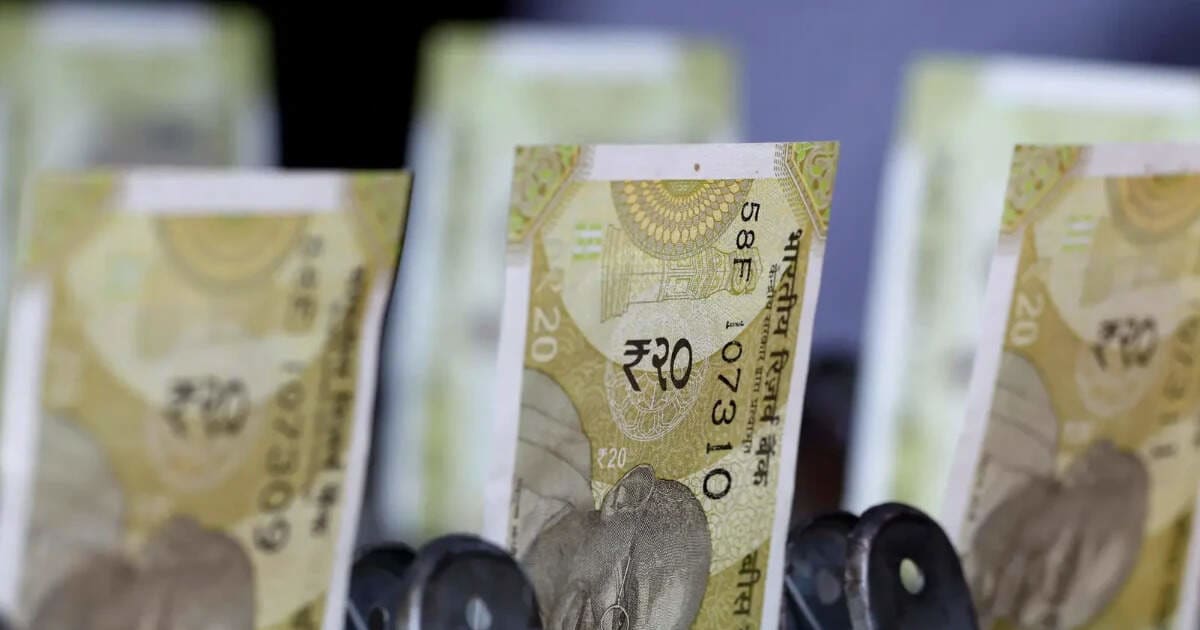
India's foreign exchange reserves have touched an unprecedented high, a testament to strong central bank interventions and sustained capital inflows. This monumental achievement bolsters the nation's financial resilience, offering a significant tailwind for the Indian rupee and overall market stability. Our deep dive analyzes the ripple effects across Indian equities, identifying potential winners and losers.
India's Forex Reserves Hit Record High: Decoding the Bullish Signal for Indian Equities
In a significant development underscoring India's growing economic prowess, the nation's foreign exchange reserves have ascended to an all-time peak, surpassing the US$729 billion mark. This monumental accumulation, driven primarily by strategic interventions from the Reserve Bank of India (RBI) and consistent foreign capital inflows, represents a critical inflection point for the Indian economy and its equity markets. This record level signifies not merely a numerical achievement but a profound statement about India's external financial robustness, its capacity to absorb global economic shocks, and its increasing attractiveness as an investment destination. Understanding the nuances of this development is paramount for investors seeking to navigate the Indian stock market effectively.
The "why now" of this surge is multifaceted. While the RBI has historically intervened to manage currency volatility, the sustained nature and magnitude of these inflows suggest a confluence of factors. These include robust foreign direct investment (FDI), healthy foreign portfolio investment (FPI) flows, and the steady accumulation of foreign currency assets by the central bank itself. This substantial war chest provides India with an unparalleled buffer against external vulnerabilities, from geopolitical tensions to sudden capital outflows. For investors, this translates into enhanced confidence in the Indian rupee's stability and a reduced risk premium associated with investing in India.
The "So What" for Investors: Rupee Stability and Market Confidence
The immediate implication of record forex reserves is a fortified Indian Rupee (INR). A strong reserve position empowers the RBI to intervene decisively in currency markets, curbing excessive depreciation and thereby safeguarding the value of the rupee. This stability is a double-edged sword: it reduces imported inflation and enhances the purchasing power of Indian consumers and businesses, but it can also make Indian exports more expensive on the global stage. For the broader Indian stock market, this translates into a more predictable operating environment, reducing currency-related risks for companies with significant foreign currency liabilities and attracting foreign institutional investors who often seek currency stability.
Historically, periods of robust forex accumulation have often coincided with periods of sustained equity market performance. For instance, during India's strong growth phases in the early 2000s and again in the post-2008 recovery, rising forex reserves were a consistent companion to bullish equity market trends. The current scenario, with reserves at an unprecedented high, suggests a similar underlying strength that could fuel further market gains. The Nifty 50, India's benchmark equity index, has historically shown a positive correlation with the nation's external balance sheet strength. While past performance is not indicative of future results, the fundamental underpinnings are undeniably positive.
Deep Market Impact Analysis: Sectoral Shifts and Stock Performance
The impact of elevated forex reserves is not uniform across the Indian stock market. Several sectors stand to benefit significantly, while others may face nuanced challenges. The general sentiment, however, leans heavily towards bullishness, driven by the enhanced macroeconomic stability and improved risk appetite for Indian assets.
The Beneficiaries: Financials, Infrastructure, and Consumption
Financial Services: Banks and non-banking financial companies (NBFCs) are poised to gain from increased investor confidence and potentially lower borrowing costs. A stable rupee reduces the risk of foreign currency-denominated debt for Indian lenders. Furthermore, a robust external position can support credit growth and reduce non-performing assets (NPAs) by fostering a healthier economic environment. Companies like HDFC Bank (NSE: HDFCBANK) and ICICI Bank (NSE: ICICIBANK), with their substantial balance sheets and significant exposure to domestic credit, are well-positioned to capitalize on this trend. Their P/E ratios, currently trading at historical averages, could see upward re-rating on improved risk perception.
Infrastructure and Capital Goods: A stronger India attracts more foreign investment, including FDI, which often flows into infrastructure development. This can boost demand for construction materials, engineering services, and capital equipment. Companies like Larsen & Toubro (NSE: LT), a diversified conglomerate with significant infrastructure and construction arms, are direct beneficiaries. Similarly, companies manufacturing machinery and equipment, such as Thermax (NSE: THERMAX), may witness increased order books. The government's continued focus on capital expenditure, now buttressed by a stronger external position, provides a multi-year runway for these sectors.
Consumption-Oriented Sectors: While not directly linked, a stable and appreciating rupee can help curb imported inflation, leading to better real disposable incomes for consumers. This can provide a tailwind for sectors catering to domestic demand, such as Fast-Moving Consumer Goods (FMCG) and automobiles. Companies like Hindustan Unilever (NSE: HUL) and Maruti Suzuki India (NSE: MARUTISUZUKI) could see sustained demand, although their import component for raw materials would also become relatively cheaper, improving margins.
The Potential Setbacks: Export-Oriented Businesses
Information Technology (IT) Services: India's IT behemoths, which derive a significant portion of their revenue from exports to dollar-denominated markets, are the most exposed to a strengthening rupee. A stronger INR means that every dollar earned translates into fewer rupees, directly impacting their top-line revenue and, consequently, profit margins. Companies like Tata Consultancy Services (NSE: TCS), Infosys (NSE: INFY), and Wipro (NSE: WIPRO), all trading at premium valuations reflecting global demand, could see their earnings growth moderated by currency headwinds. For instance, a 1% appreciation of the rupee against the dollar can shave off approximately 50-100 basis points from the operating profit margins of major Indian IT firms, depending on their hedging strategies and revenue mix.
Textiles and Pharmaceuticals: These export-heavy sectors, particularly those with a high proportion of low-margin, commodity-like products, could face challenges. A stronger rupee makes their goods more expensive for international buyers, potentially leading to a decline in export volumes or a squeeze on profit margins if they cannot pass on the increased costs. While branded pharmaceutical companies with strong intellectual property might weather the storm better, generic exporters could feel the pinch. Companies like Arvind Fashions (NSE: ARVIND) or smaller pharmaceutical exporters might need to reassess their pricing strategies.
Stock-by-Stock Breakdown: Navigating the Currents
The implications of India's record forex reserves cascade down to individual listed companies on the National Stock Exchange (NSE) and Bombay Stock Exchange (BSE). Here's a closer look at how specific stocks and their peers might be affected:
- Tata Consultancy Services (TCS) (NSE: TCS): As India's largest IT services exporter, TCS is directly in the crosshairs of a strengthening rupee. While the company has robust hedging mechanisms and a diversified revenue stream, sustained INR appreciation will inevitably impact its reported dollar revenues and profit margins. Investors should monitor its guidance for currency impacts in upcoming quarterly results. Its P/E ratio, currently around 28-30, might face pressure if earnings growth decelerates due to currency effects.
- Infosys (NSE: INFY): Similar to TCS, Infosys faces currency headwinds. However, its strategic focus on digital transformation and cloud services, which command higher margins, might offer some resilience. Its forward P/E ratio, often in the range of 22-25, could be a point of consideration for value investors, but currency volatility remains a key risk.
- HDFC Bank (NSE: HDFCBANK): A prime beneficiary of macroeconomic stability, HDFC Bank's strong deposit base and robust asset quality position it well. A stable rupee reduces external borrowing risks and supports credit demand. Its market capitalization, already substantial, could see further appreciation driven by increased investor confidence and potential for higher loan growth. Its P/E ratio, typically in the 18-22 range, reflects its quality and could expand.
- Larsen & Toubro (NSE: LT): The infrastructure giant is a direct play on India's growth story, further enhanced by strong forex reserves that signal economic stability. Increased government spending and private sector investment in infrastructure will translate into a robust order book. Its P/E ratio, often hovering around 20-25, could see further upside as its project pipeline solidifies.
- Maruti Suzuki India (NSE: MARUTISUZUKI): The country's largest car manufacturer benefits from potentially lower raw material costs (if imported) and stable consumer spending power due to a stronger rupee. While it has a significant domestic focus, its export segment would be impacted by INR strength. However, the overall positive sentiment for consumption likely outweighs currency concerns for this market leader. Its P/E ratio, generally in the 25-30 range, reflects its dominance.
- Divi's Laboratories (NSE: DIVISLAB): A leading active pharmaceutical ingredient (API) manufacturer with significant export revenues, Divi's Labs faces similar challenges to the IT sector from a stronger rupee. However, its strong R&D capabilities and long-term customer contracts might offer some protection. Its valuation, often at a premium P/E of 35-40, could be tested by currency headwinds.
How will RBI's Forex Intervention Affect the Rupee?
The RBI's record accumulation of forex reserves is a direct consequence of its active intervention in the currency markets. By selling dollars and buying rupees, the central bank aims to prevent excessive appreciation of the INR, which could harm export competitiveness. However, the sheer volume of inflows has allowed reserves to climb even with these interventions. This suggests that the RBI is managing a delicate balance: preventing sharp depreciations while also not allowing the rupee to strengthen too rapidly, which would hurt exporters. The current high level of reserves gives the RBI considerable flexibility to manage future volatility and act as a credible buyer of last resort for dollars if needed to prevent sharp depreciations, thereby anchoring expectations of stability.
What Are The Implications for India's Sovereign Credit Rating?
A significant increase in foreign exchange reserves is a strong positive signal for sovereign credit rating agencies. Agencies like Standard & Poor's, Moody's, and Fitch view robust reserves as a critical indicator of a nation's ability to meet its external debt obligations and withstand economic shocks. This record high strengthens India's external balance sheet, reduces external debt vulnerabilities, and enhances its capacity to manage currency fluctuations. Consequently, this development could lead to a reassessment of India's credit rating, potentially resulting in an upgrade or a more positive outlook. An improved credit rating lowers the cost of borrowing for the government and Indian corporations in international markets, further boosting economic activity and investor confidence.
"The record forex reserves are a testament to India's sound macroeconomic management and its growing integration into the global financial system. While it provides a crucial safety net, the focus must now shift to ensuring these reserves are deployed effectively to support sustainable, inclusive growth and to mitigate the risks associated with potential currency appreciation for our export sectors."
Expert Perspective: Bulls vs. Bears on India's Forex Surge
The prevailing sentiment surrounding India's record forex reserves is overwhelmingly bullish, yet a contrarian view warrants consideration.
Bullish Argument: Bulls point to the unprecedented level of reserves as a bedrock of stability. They argue that this provides the RBI with immense firepower to manage any external shocks, thereby reducing risk premiums and attracting sustained foreign investment. This stability, coupled with India's strong domestic growth prospects, creates a compelling case for a sustained bull run in Indian equities. They emphasize that the currency's stability will benefit importers, reduce inflation, and boost consumer confidence, creating a virtuous cycle for domestic demand-driven companies.
Bearish Argument: Bears, while acknowledging the strength of the reserves, express caution regarding the sustainability of these inflows and the potential downsides of a significantly stronger rupee. They highlight that a persistent appreciation could cripple India's export competitiveness, particularly in sectors like IT and textiles, leading to slower earnings growth for these crucial market drivers. Furthermore, they worry that the high reserves might be a byproduct of global liquidity rather than purely organic strength, making India vulnerable to sudden shifts in global risk appetite. A sharp reversal in global monetary policy or a geopolitical crisis could lead to rapid capital outflows, testing the resilience of even these record reserves.
Actionable Investor Playbook: Navigating the Opportunities
Given the bullish sentiment, investors can consider a strategic approach to capitalize on the prevailing macroeconomic strength:
- Focus on Domestic Demand & Infrastructure: Prioritize companies with strong domestic revenue streams and those benefiting from government infrastructure spending. Look for strong balance sheets and consistent earnings growth. Consider entry points on minor dips, with a medium to long-term investment horizon (1-3 years).
- Hedge Currency Exposure for Exporters: For investors holding export-oriented stocks like IT or pharma, consider hedging strategies to mitigate currency risk. Alternatively, reduce overweight positions in these sectors or look for companies with better pricing power and diversified geographies.
- Monitor Debt Levels: Companies with significant foreign currency debt will see their debt servicing costs decrease in rupee terms. This can improve profitability and reduce financial risk. Companies with strong cash flows and low debt-to-equity ratios are generally preferred.
- Watch for Credit Rating Upgrades: Keep an eye on announcements from sovereign credit rating agencies. A positive rating action could trigger a broad-based rally across Indian equities by reducing the cost of capital.
Risk Matrix: Navigating Potential Headwinds
- Export Competitiveness Erosion (Probability: Medium-High): A sustained and significant appreciation of the Indian Rupee could severely impact the profitability and volume of India's export-oriented sectors, particularly IT and textiles. This risk is elevated if global demand remains subdued.
- Global Economic Slowdown/Geopolitical Shocks (Probability: Medium): The sustainability of current capital inflows is tied to global economic stability. A significant global recession or escalating geopolitical tensions could trigger a flight to safety, leading to rapid capital outflows and pressure on reserves.
- Inflationary Pressures (Probability: Low-Medium): While a stronger rupee can help curb imported inflation, domestic demand-side pressures or supply chain disruptions could still lead to persistent inflation, forcing the RBI to maintain a tighter monetary policy, which could dampen economic growth.
What to Watch Next: Upcoming Catalysts
Investors should closely monitor the following catalysts:
- RBI Monetary Policy Statements: Any shifts in the RBI's stance on interest rates or currency management will be critical. Watch for commentary on inflation, growth, and the rupee's trajectory.
- Global Inflation and Interest Rate Trends: Developments in major economies like the US and Europe regarding inflation and central bank policy will influence global liquidity and capital flows into emerging markets like India.
- Quarterly Earnings Reports: Pay close attention to the revenue and margin guidance from major IT and export-oriented companies, specifically their commentary on currency impacts.
- Foreign Investment Data: Weekly and monthly data on FPI and FDI inflows will provide real-time indicators of investor sentiment towards India.
India's record foreign exchange reserves present a compelling narrative of economic strength and resilience. While the immediate outlook is bullish, a nuanced understanding of the sectoral impacts and inherent risks is crucial for informed investment decisions in the dynamic Indian equity market.
Run a free AI Stock Screen
Our algorithmic screener scores any NSE/BSE stock on fundamentals, momentum, and risk — free to try, no card needed.
Try the AI Screener →Have questions about this story?
Ask Welth, our finance-focused AI research assistant, for a deeper breakdown — free trial included.
Chat with Welth AI →Disclaimer: This content is generated by WelthWest Research Desk based on publicly available reports and is for informational purposes only. It does not constitute financial advice, investment recommendations, or an offer to buy or sell securities. Always consult a qualified financial advisor before making investment decisions.