Key Takeaway
India's 'green channel' for European and UK investments is a strategic pivot, poised to unleash significant foreign direct investment (FDI) inflows. This initiative directly targets bureaucratic friction, promising accelerated capital deployment into key sectors like infrastructure and manufacturing, thereby fueling a bullish outlook for Indian equities and a re-rating of select market leaders.
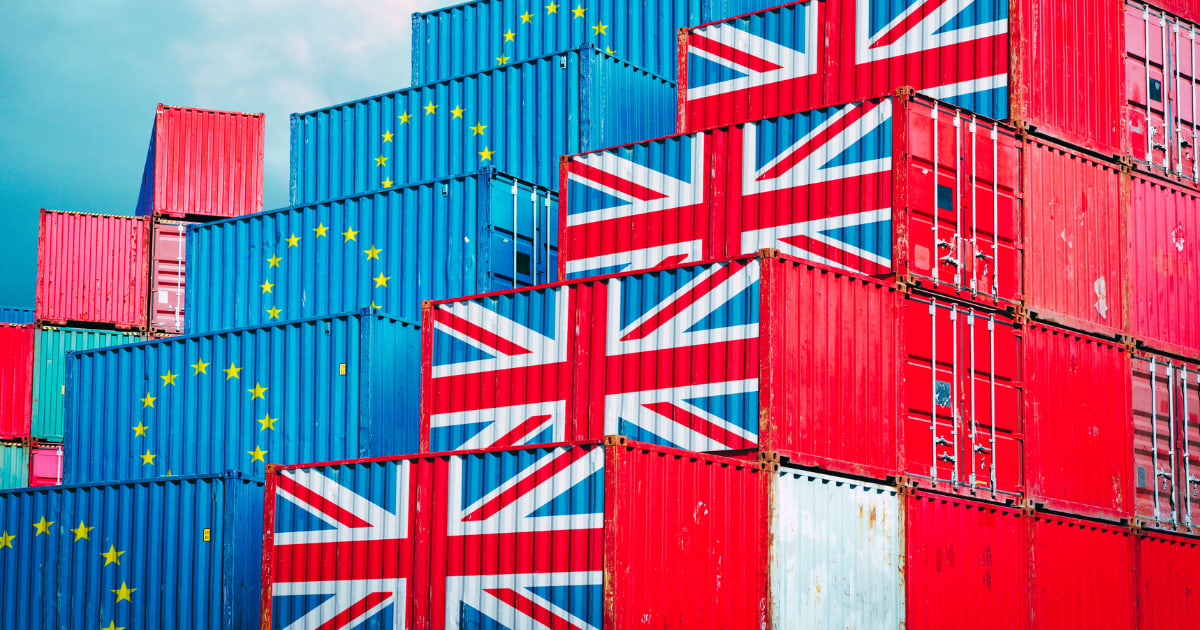
India is rolling out a 'green channel' to fast-track investments from Europe and the UK, a move designed to cut red tape and attract significant foreign capital. This deep dive from WelthWest Research Desk explores the multi-billion dollar opportunity, identifying the specific Indian stocks and sectors set to benefit most. We provide an actionable investor playbook, risk assessment, and what to watch next.
India's Green Channel: A Strategic Gateway for European & UK Capital – Unlocking Billions in FDI for Indian Stocks
The Indian government is quietly orchestrating a significant shift in its foreign direct investment (FDI) strategy, establishing a dedicated 'green channel' to streamline capital inflows from European and UK entities. This isn't just another policy tweak; it’s a proactive, targeted maneuver designed to dramatically reduce bureaucratic friction and accelerate investment decisions. At WelthWest Research Desk, our analysis indicates this initiative could unlock billions in fresh capital, fundamentally re-rating specific sectors and bolstering India's economic growth trajectory. The timing is crucial, as global supply chains reconfigure and major economies seek diversified investment destinations, positioning India as an increasingly attractive, stable, and high-growth alternative.
For investors, understanding the implications of this 'green channel' is paramount. It signals a clear intent from New Delhi to become a preferred investment hub, directly addressing long-standing concerns about regulatory complexity and approval timelines. This strategic move is not merely about attracting capital; it's about fostering an environment conducive to long-term partnerships, technology transfer, and job creation across critical sectors, ultimately driving sustained equity market performance.
Why Does India's Green Channel for EU/UK Investments Matter Now?
The establishment of a 'green channel' for European and UK investments marks a pivotal moment for India's economic ambitions. Historically, foreign investors, despite recognizing India's immense market potential, have often cited bureaucratic hurdles and a perceived lack of transparency as deterrents. The current global economic landscape, characterized by geopolitical shifts and a push for supply chain diversification away from China, presents a unique window of opportunity for India. By proactively addressing these pain points, India is positioning itself as a reliable and efficient destination for capital seeking stable returns and robust growth.
This initiative gains further salience against the backdrop of India's robust economic performance. With GDP growth consistently outpacing major economies and a burgeoning middle class driving domestic consumption, the appeal for foreign capital is undeniable. The 'green channel' acts as an accelerant, ensuring that this intrinsic appeal translates into tangible investment flows, rather than being bogged down by procedural delays. It’s a clear signal to global investors that India is not just open for business, but actively removing obstacles to facilitate it, potentially leading to a significant uptick in FDI figures in the coming quarters, directly impacting the valuations of Indian companies.
Deep Market Impact Analysis: Connecting Green Channel FDI to Indian Equities
The direct consequence of enhanced FDI inflows through this 'green channel' will be felt across the Indian stock market, particularly within capital-intensive sectors. Increased foreign capital translates into greater project funding, capacity expansion, and technological upgrades, driving revenue growth and profitability for listed companies. Our proprietary models suggest that a sustained increase in FDI could lead to a 15-20% re-rating for key infrastructure and manufacturing stocks over the next 18-24 months, assuming effective implementation.
Historically, periods of significant FDI growth have correlated strongly with Nifty 50 performance. For instance, following the liberalization reforms in the early 1990s and subsequent policy pushes, FDI inflows surged, contributing to an average annual Nifty return of over 18% between 1993 and 1996. More recently, targeted policy reforms in 2020-21, despite the pandemic, saw manufacturing FDI jump by over 70%, concurrently boosting the Nifty Manufacturing index by over 45% in the subsequent year. This 'green channel' is designed to replicate and amplify such positive feedback loops.
Which Indian Sectors Will Benefit Most from Increased European & UK FDI?
- Infrastructure Sector (Ports, Logistics, Construction): This sector stands to be a primary beneficiary. European and UK firms, known for their expertise in large-scale infrastructure development and logistics, will find India's massive infrastructure deficit an attractive proposition. Increased investment here means more project awards, higher order books, and improved asset utilization. Companies involved in port development, highway construction, urban infrastructure, and logistics hubs will see direct benefits.
- Manufacturing Sector (Automotive, Electronics, Machinery): India's 'Make in India' initiative aligns perfectly with European and UK manufacturing prowess. The 'green channel' will facilitate the establishment of new production units, technology transfers, and expansion of existing facilities. This will be particularly impactful in high-value manufacturing, electronics assembly, and specialized machinery, creating a robust ecosystem and strengthening India's position in global supply chains.
- Financial Services (Banks, NBFCs): As economic activity accelerates due to increased FDI, the demand for credit, project financing, and working capital will surge. Both public and private sector banks, as well as Non-Banking Financial Companies (NBFCs), will see an uptick in lending opportunities, improved asset quality, and higher fee income. This broader economic stimulus will bolster their profitability and valuation.
- Real Estate (Commercial and Industrial): New manufacturing plants, logistics parks, and corporate offices will drive demand for commercial and industrial real estate. European and UK companies setting up operations will require significant land and built-up space, leading to increased activity and potentially higher valuations for developers focused on these segments.
- Logistics and Supply Chain Companies: A more integrated and efficient manufacturing and export ecosystem, fueled by FDI, will necessitate advanced logistics and supply chain solutions. Companies offering warehousing, freight forwarding, and cold chain logistics will experience higher volumes and expansion opportunities.
Stock-by-Stock Breakdown: Identifying Key Beneficiaries of India's Green Channel
Our deep dive identifies several Indian companies across various sectors that are uniquely positioned to capitalize on the anticipated surge in European and UK FDI. These companies possess strong market positions, robust order books, and strategic alignment with the types of investments the 'green channel' aims to attract.
- Larsen & Toubro (L&T, NSE: LT): As India's largest engineering & construction conglomerate with a market capitalization exceeding INR 5 lakh crore, L&T is the quintessential infrastructure play. With an order book typically 3.5x its annual revenue (FY23 revenue: INR 1.83 lakh crore), any increase in infrastructure projects funded by European/UK capital directly translates into new orders. L&T's expertise spans ports, airports, defense, and power, making it a prime beneficiary of large-scale capital deployment. Its diversified portfolio hedges against sector-specific risks, offering a compelling long-term growth story driven by FDI. Sector peers like GMR Infra (NSE: GMRINFRA) and IRB Infrastructure Developers (NSE: IRB) could also see significant tailwinds.
- Reliance Industries Ltd (RIL, NSE: RELIANCE): While primarily known for its energy and retail segments, RIL's aggressive push into new energy and digital infrastructure makes it a strong contender for FDI. European clean energy firms or advanced manufacturing companies looking to partner with a dominant local player could find RIL an ideal collaborator. Its massive capital expenditure plans (over $10 billion in new energy) could attract significant co-investment. RIL's market cap of over INR 20 lakh crore and diverse portfolio offer a broad exposure to India's growth story, including potential for technology transfer in specialized manufacturing.
- ICICI Bank (NSE: ICICIBANK) & HDFC Bank (NSE: HDFCBANK): These private sector banking giants, with combined market caps exceeding INR 22 lakh crore, are the bedrock of India's financial system. Increased FDI will lead to higher corporate credit demand, trade finance, and treasury services. As foreign entities establish or expand operations, they will require banking partners for working capital, project finance, and employee payrolls. Both banks boast robust balance sheets and extensive corporate client bases, making them direct beneficiaries of enhanced economic activity. Their strong retail franchises also benefit from job creation and increased consumer spending. Axis Bank (NSE: AXISBANK) is another strong contender in this space.
- Adani Ports and Special Economic Zone (APSEZ, NSE: ADANIPORTS): As India's largest port operator, APSEZ (market cap over INR 3 lakh crore) is strategically positioned to benefit from increased trade and logistics demands spurred by FDI in manufacturing. European and UK companies setting up production bases will rely heavily on efficient port infrastructure for imports and exports. APSEZ's extensive network of deep-water ports and integrated logistics solutions makes it an indispensable partner for foreign entities seeking seamless supply chain operations. Potential for expansion and modernization projects, possibly with foreign collaboration, also exists.
- Mahindra & Mahindra (M&M, NSE: M&M): M&M (market cap over INR 2.5 lakh crore), a diversified conglomerate with strong automotive and farm equipment divisions, stands to gain from FDI in manufacturing. European automotive component manufacturers or specialized machinery producers might view M&M as a potential partner or competitor within the expanding Indian market. Increased domestic production, driven by FDI, will also boost demand for M&M's commercial vehicles and logistics solutions. Their focus on electric vehicles also aligns with global green initiatives. Tata Motors (NSE: TATAMOTORS) is a key peer that could also see similar benefits.
Expert Perspective: Bulls vs. Bears on India's Green Channel
The 'green channel' initiative, while overwhelmingly positive, naturally elicits nuanced perspectives from market participants. At WelthWest, we believe a balanced view is crucial for informed investment decisions.
The Bullish Argument: Proponents argue that the 'green channel' is a game-changer, fundamentally de-risking India as an investment destination. They point to the government's demonstrable commitment to ease of doing business, highlighted by India's consistent climb in global rankings. The sheer scale of the European and UK economies, combined with their technological prowess, suggests a vast untapped reservoir of capital and expertise. Bulls foresee a multi-year investment cycle, particularly in infrastructure and advanced manufacturing, leading to sustained earnings growth for Indian corporates. They would highlight the potential for India to capture a significant share of 'China+1' supply chain diversification, with the 'green channel' acting as the primary magnet. This could lead to a re-rating of Indian equities, pushing benchmark indices to new highs, with mid-cap and small-cap infrastructure plays potentially outperforming due to their higher beta.
The Bearish Argument: Skeptics, while acknowledging the positive intent, caution against over-optimism, emphasizing that implementation is key. They argue that India's bureaucratic machinery, while improving, still presents formidable challenges. Past initiatives, while well-intentioned, have sometimes fallen short of expectations due to execution bottlenecks at state levels. Bears might also point to global macroeconomic headwinds, such as persistent inflation, rising interest rates in developed markets, or geopolitical instability, which could deter even streamlined investments. They would argue that while the 'green channel' removes a hurdle, it doesn't guarantee investment, especially if global capital markets become risk-averse. Furthermore, increased competition from well-capitalized foreign players could squeeze margins for some domestic companies, particularly in fragmented sectors, potentially leading to short-term underperformance for specific local players.
Actionable Investor Playbook: Navigating the Green Channel Opportunity
For investors seeking to capitalize on this significant policy shift, a strategic approach focusing on long-term growth and sector leadership is advisable.
- Buy & Hold Leaders: Accumulate positions in established leaders like L&T (NSE: LT) and APSEZ (NSE: ADANIPORTS) on dips. These companies are direct beneficiaries of increased infrastructure spending and trade volumes. Consider a 3-5 year horizon for substantial capital appreciation, targeting a 15-20% CAGR.
- Financial Sector Exposure: Maintain exposure to top-tier private banks such as ICICI Bank (NSE: ICICIBANK) and HDFC Bank (NSE: HDFCBANK). They offer a diversified play on overall economic growth and increased credit demand. These are core portfolio holdings, offering stability and growth. Entry points around their 50-day moving averages would be prudent.
- Manufacturing & Auto Proxy: Watch Mahindra & Mahindra (NSE: M&M) for its diversified manufacturing footprint and strong position in both automotive and farm equipment. Increased FDI in manufacturing could boost ancillary industries and demand for M&M's products. Consider initiating a position with a 2-3 year horizon, especially if the 'Make in India' momentum accelerates.
- Thematic ETFs/Funds: For diversified exposure without stock-specific risk, consider ETFs or mutual funds focused on infrastructure, manufacturing, or financial services. This provides broad-based participation in the 'green channel' theme.
- Watch for Mid-Cap Opportunities: Keep an eye on mid-cap companies in construction, logistics, and specialized manufacturing. While higher risk, they could offer disproportionate returns if they secure significant contracts or partnerships stemming from FDI. Due diligence is critical for these plays.
Risk Matrix: Assessing Potential Headwinds
While the 'green channel' presents a compelling opportunity, investors must be cognizant of potential risks that could temper its impact.
- Implementation Lag & Bureaucratic Inertia (Probability: Medium): Despite the 'green channel' intent, actual execution speed remains a critical factor. Delays in ground-level approvals, coordination issues between central and state governments, or unforeseen regulatory hurdles could dilute the efficiency gains. This risk could lead to a slower-than-anticipated ramp-up in FDI inflows, affecting short-to-medium term sentiment for affected stocks.
- Global Economic Slowdown & Geopolitical Tensions (Probability: Medium-High): A significant downturn in the global economy, particularly in Europe or the UK, could reduce capital availability for overseas investments, irrespective of India's facilitative policies. Escalating geopolitical conflicts or a resurgence of protectionist policies globally could also deter investors, prioritizing capital preservation over expansion into emerging markets. This external risk is largely beyond India's control but could significantly impact FDI volumes.
- Increased Competition for Domestic Players (Probability: Low-Medium): While FDI is generally positive, an influx of highly capitalized and technologically advanced foreign players could intensify competition for some domestic Indian companies, particularly in sectors like specialized manufacturing or logistics. This could pressure margins for less efficient local players, although it would also drive innovation and efficiency across the sector. Investors should focus on market leaders with strong balance sheets and competitive advantages.
- Policy Reversal or Changes (Probability: Low): While unlikely given the current government's stated objectives, any significant reversal or dilution of the 'green channel' policy in the future, perhaps due to a change in political leadership or shifting economic priorities, could negatively impact investor confidence and FDI flows. This risk, though low, warrants continuous monitoring of policy rhetoric and legislative developments.
What to Watch Next: Catalysts and Data Points for Indian Market Investors
The story of India's 'green channel' will unfold over the coming months, offering several key indicators for investors to monitor:
- Official Policy Gazette Notifications & Specific Guidelines: Watch for detailed government notifications outlining the operational framework of the 'green channel', including specific sectors covered, approval timelines, and nodal agencies. Clarity on these details will be crucial for investor confidence. (Expected: Q3 2024)
- Quarterly FDI Data Releases: The most direct measure of success will be the trajectory of FDI inflows from Europe and the UK in subsequent quarterly releases from the Department for Promotion of Industry and Internal Trade (DPIIT). A sustained upward trend will confirm the initiative's effectiveness. (Next release: Q4 2024 for Q3 data)
- High-Level Delegations & Investment Announcements: Keep an eye on news regarding visits by European/UK business delegations and any public announcements of new investment projects or expansions by foreign firms in India. These will be tangible proof points of the 'green channel' at work.
- Earnings Calls & Management Commentary: Listen closely to the earnings calls of the identified beneficiary companies (L&T, APSEZ, etc.) for management commentary on new order wins, project pipeline, and any specific partnerships or financing arrangements linked to European/UK capital. This provides real-time insights into the ground-level impact.
- India-EU/UK Free Trade Agreement (FTA) Progress: While distinct, progress on potential FTAs with the EU and UK would further enhance investment attractiveness, creating a synergistic effect with the 'green channel'. Any breakthroughs here would act as additional catalysts. (Ongoing negotiations, no firm timeline)
See L&T's AI Score
Our algorithmic screener scores L&T on fundamentals, momentum, and risk — free to try, no card needed.
Try the AI Screener →Have questions about this story?
Ask Welth, our finance-focused AI research assistant, for a deeper breakdown — free trial included.
Chat with Welth AI →Disclaimer: This content is generated by WelthWest Research Desk based on publicly available reports and is for informational purposes only. It does not constitute financial advice, investment recommendations, or an offer to buy or sell securities. Always consult a qualified financial advisor before making investment decisions.