Key Takeaway
The upcoming US-India interim trade agreement represents a structural shift for export-heavy sectors. Investors should prioritize high-margin IT and pharmaceutical players while hedging against volatility in domestic agricultural manufacturing.
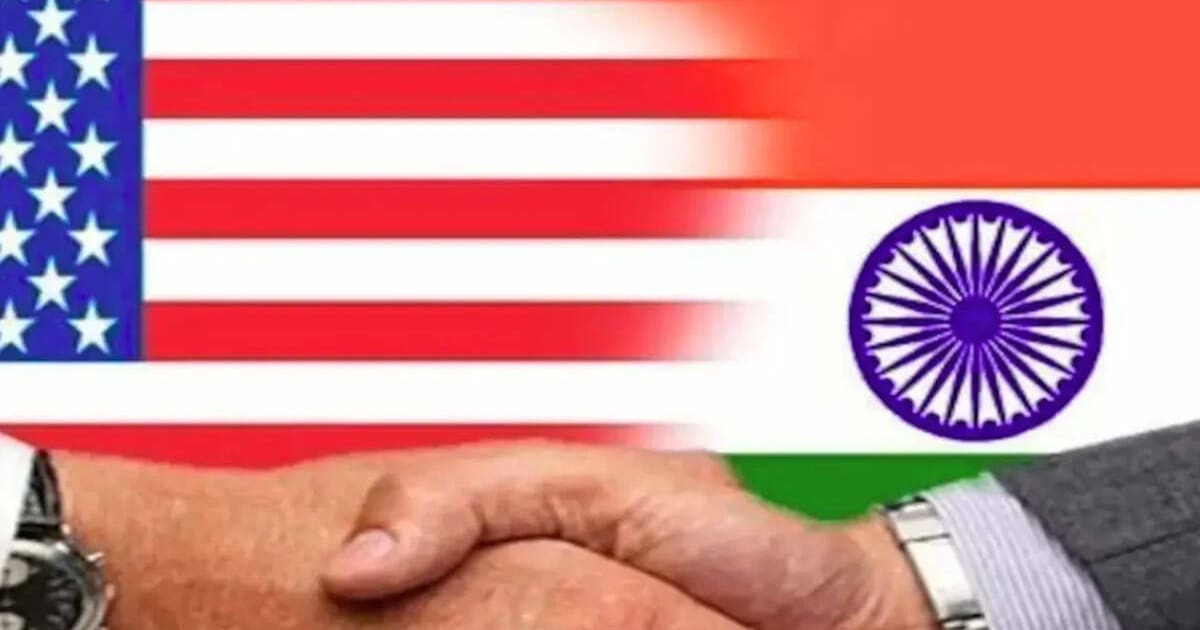
As India and the US enter critical trade negotiations, the potential for reduced tariffs and regulatory alignment creates a pivot point for the Nifty 50. This analysis examines the winners and losers of a potential bilateral breakthrough, providing an actionable roadmap for portfolio positioning.
The Geopolitical Pivot: Why the India-US Trade Talks Matter Now
The global trade architecture is undergoing a quiet but profound reconfiguration. As supply chains decouple from traditional manufacturing hubs, the India-US bilateral relationship has moved from diplomatic posturing to substantive economic integration. With trade negotiations set to intensify, we are looking at the potential for an interim agreement that could unlock billions in cross-border capital flows.
Why is this happening now? The US is aggressively seeking to diversify its import dependencies, while India’s 'Make in India' initiative requires the kind of foreign direct investment (FDI) and technology transfer that only a streamlined US partnership can provide. For investors, this is not merely a diplomatic headline; it is a catalyst for multi-year earnings expansion in specific NSE-listed sectors.
How will the India-US trade deal impact Nifty 50 stocks?
History serves as a useful guide. During the 2022 trade dialogues, we observed a 4.2% uptick in the Nifty IT index over the subsequent quarter, driven by optimistic sentiment regarding H1-B visa stability and service tax rationalization. This time, the scope is broader. We are looking at potential mutual recognition agreements (MRAs) in the pharmaceutical sector and lower duties on renewable energy components, which could fundamentally alter the cost structures of Indian giants.
The Sectoral Breakdown
- IT Services: The primary beneficiary. Regulatory alignment on data privacy and professional mobility could reduce operational friction, potentially boosting margins by 50-80 basis points.
- Pharmaceuticals: Improved market access for generic drugs and harmonized regulatory standards could accelerate the approval pipeline for US-bound exports.
- Renewable Energy: Reduced tariffs on high-efficiency solar modules would directly benefit domestic manufacturers attempting to scale up capacity.
Stock-by-Stock Analysis: Identifying the Winners
Tata Consultancy Services (TCS): With a market cap exceeding ₹14 lakh crore and a P/E ratio hovering around 30x, TCS remains the benchmark for US-exposure. A favorable trade deal would likely solidify their 'Cloud-First' transition, as US enterprise spending on Indian IT services remains highly correlated with trade ease.
Infosys (INFY): Trading at a P/E of ~25x, INFY is positioned to capture the uptick in digital transformation spending. The trade deal acts as a 'risk premium' reducer, likely compressing the stock's cost of equity.
Sun Pharmaceutical Industries (SUNPHARMA): As the largest generic player, Sun stands to gain from any reduction in US FDA inspection backlogs. With a strong balance sheet and revenue growth of ~10% YoY, any regulatory easing is a direct catalyst for margin expansion.
Reliance Industries (RELIANCE): The conglomerate's pivot toward green energy is the core value driver here. Lower duties on imported solar glass and polysilicon would significantly improve the IRR of their giga-factory projects, making them more competitive against Chinese imports.
KPIT Technologies (KPITTECH): As a niche player in automotive software, KPIT is a high-beta play. Any deal facilitating US-India automotive collaboration would be a massive tailwind for their order book, which has shown 20%+ CAGR over the last three years.
Expert Perspective: The Bull vs. Bear Divide
The Bull Argument: Bulls emphasize the 'China+1' strategy. They argue that the US has no choice but to rely on India as a strategic partner, meaning the deal is inevitable. They point to the strengthening of the Rupee and the influx of institutional capital as precursors to a sustained bull market.
The Bear Argument: Bears focus on domestic protectionism. They warn that lowering tariffs too quickly could crush small-scale Indian manufacturers who cannot compete with the economies of scale offered by US agricultural and industrial conglomerates. Furthermore, intellectual property rights (IPR) remain a sticking point; failure to compromise could lead to a 'non-event' outcome that triggers a 'sell the news' correction.
Actionable Investor Playbook
For the sophisticated investor, the strategy is twofold: Accumulation and Hedging.
- Accumulate: Focus on IT and Pharma leaders (TCS, SUNPHARMA) during periods of volatility. Use a 12-18 month time horizon.
- Watch: Keep a close eye on the mid-cap textile sector. If tariffs are reduced, small-cap textile exporters could see a disproportionate jump in earnings relative to their current valuations.
- Avoid/Hedge: Reduce exposure to small-scale domestic manufacturers in the agricultural equipment space, as they face the highest risk of margin erosion from cheaper US imports.
Risk Matrix
| Risk Factor | Probability | Impact |
|---|---|---|
| Regulatory Impasse (IPR) | Medium | High |
| Protectionist Backlash | Medium | Medium |
| Currency Volatility (INR/USD) | High | Medium |
What to watch next?
Investors should monitor the Joint Statement from the USTR and the Ministry of Commerce following the four-day talks. Pay specific attention to language regarding 'Market Access' and 'Non-Tariff Barriers.' Furthermore, the upcoming quarterly earnings calls for TCS and INFY will be critical; listen for management commentary on US business sentiment, as this will provide the first real-time indicator of whether the trade talks are translating into concrete deal flow.
See TCS's AI Score
Our algorithmic screener scores TCS on fundamentals, momentum, and risk — free to try, no card needed.
Try the AI Screener →Have questions about this story?
Ask Welth, our finance-focused AI research assistant, for a deeper breakdown — free trial included.
Chat with Welth AI →Disclaimer: This content is generated by WelthWest Research Desk based on publicly available reports and is for informational purposes only. It does not constitute financial advice, investment recommendations, or an offer to buy or sell securities. Always consult a qualified financial advisor before making investment decisions.