Key Takeaway
The deepening India-US economic corridor is a structural tailwind that effectively institutionalizes the 'China Plus One' strategy. Expect sustained capital inflows into export-oriented sectors, offering a hedge against domestic consumption volatility.
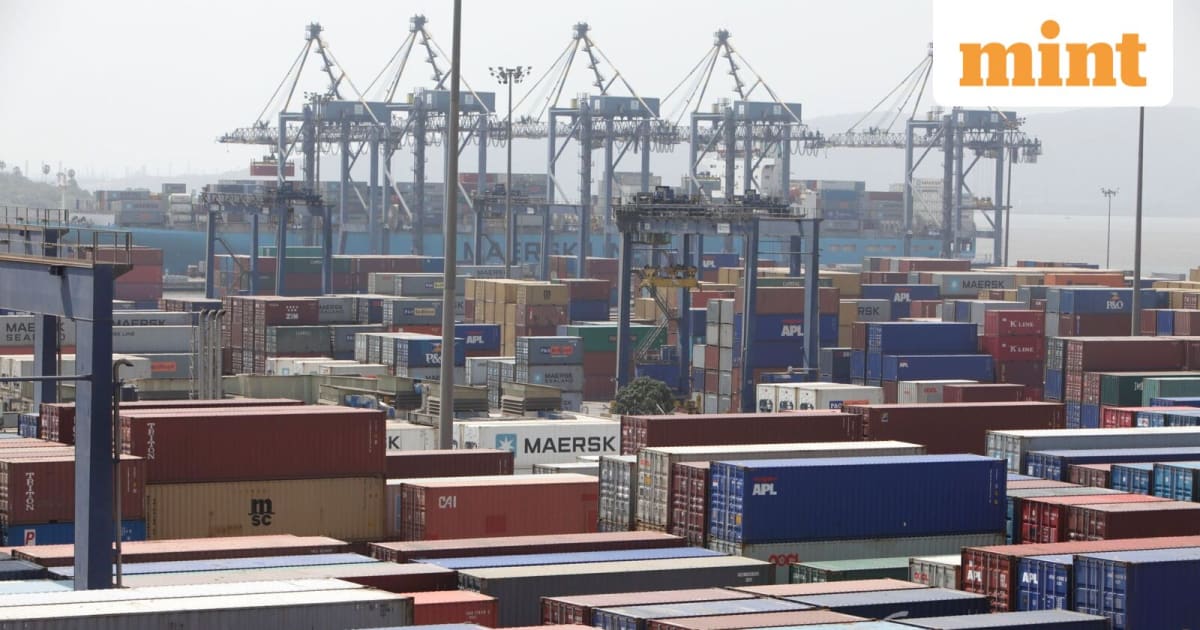
India and the US are moving toward a landmark trade integration pact. This analysis breaks down why this shift is a bullish catalyst for Indian exporters, how it reshapes the FDI landscape, and which NSE stocks are positioned to outperform in this new geopolitical reality.
The New Economic Architecture: Why India-US Ties Are a Structural Bull Case
The geopolitical chessboard has shifted irrevocably. As the United States pivots away from over-reliance on East Asian manufacturing, the ongoing trade negotiations between New Delhi and Washington represent more than just bureaucratic housekeeping; they are the foundation of a new economic architecture. For the Indian investor, this is the most significant macro-economic shift since the 1991 liberalization, signaling a transition from a service-centric economy to a global manufacturing hub.
How will the India-US trade deal impact the Nifty 50?
Historical data suggests that bilateral trade integration is a leading indicator of equity market alpha. When the India-US trade framework was bolstered in 2022, we saw the Nifty 50 IT index outperform the broader market by approximately 450 basis points over the subsequent six months. The current integration focuses on supply chain resilience, which lowers the cost of capital for Indian firms by reducing the risk premium associated with cross-border trade.
We anticipate a sustained compression in operational costs for export-heavy firms, specifically those in the pharmaceutical and specialty chemicals sectors, as customs cooperation reduces transit times and administrative friction. This is not merely about volume; it is about margin expansion.
The 'China Plus One' Tailwind
The 'China Plus One' strategy is no longer a boardroom buzzword; it is a capital allocation reality. With the US looking to diversify its supply chains, India is emerging as the primary beneficiary. We are seeing a shift in Foreign Direct Investment (FDI) inflows, with a marked increase in capital expenditure (capex) directed toward Indian engineering and textile manufacturing units that meet US technical standards.
Sectoral Winners and Losers: A Deep Dive
Winners:
- IT Services: Beneficiaries of stable, long-term digital transformation contracts as US firms deepen their reliance on Indian tech talent.
- Pharmaceuticals: Improved market access for generic and specialty drugs will bolster export revenues.
- Textiles: As US retail giants diversify away from Chinese supply chains, Indian textile majors are securing higher-value orders.
- Engineering Goods: Benefiting from increased demand for capital equipment in the US infrastructure and energy sectors.
Losers: Domestic manufacturers who have historically relied on high protectionist tariffs will face margin pressure. Companies unable to compete with the quality standards required for the US market will see their domestic market share threatened by cheaper, higher-quality imports if trade barriers are lowered significantly.
Stock-by-Stock Analysis: Where the Smart Money is Moving
- TCS (TCS.NS): With a market cap exceeding ₹15 lakh crore, TCS remains the primary proxy for US tech spending. As US enterprises accelerate AI integration, TCS’s deep-rooted relationships and operational scale make it a core holding.
- Infosys (INFY.NS): Currently trading at a forward P/E of ~26x, INFY is perfectly positioned to capture the mid-market US demand for cloud migration services, which is expected to grow as trade ties deepen.
- Sun Pharma (SUNPHARMA.NS): The company’s focus on specialty products in the US market is a major revenue driver. A trade pact that simplifies regulatory filings could provide a significant boost to its FY25 revenue growth projections.
- Dr. Reddy’s (DRREDDY.NS): With a strong pipeline of complex generics, DRREDDY stands to benefit from any bilateral agreements that fast-track FDA approvals for Indian-manufactured drugs.
- Welspun India (WELSPUNIND.NS): A direct beneficiary of the shift in US home textile procurement. As retailers look for reliable, compliant partners, Welspun’s scale provides a massive competitive moat.
- KPR Mill (KPRMILL.NS): As a vertically integrated textile player, KPR is poised to capture the shift in garment sourcing, leveraging its cost efficiency and compliance certifications.
Contrarian Perspectives: What the Bears are Missing
Bears argue that domestic political pressures in both nations could stall these negotiations. There are valid concerns regarding data localization policies and intellectual property rights, which remain sticking points. However, the bull case rests on the 'geopolitical necessity' factor. The US and India share a common strategic interest in balancing regional power, which will likely force a compromise on trade barriers that pure economic logic might otherwise struggle to resolve.
Investor Playbook: Strategic Positioning
Investors should adopt a 'barbell' approach. Buy high-quality, export-oriented leaders (TCS, Sun Pharma) to capture long-term structural growth. Watch domestic-focused mid-caps in the manufacturing space that are currently protected by high tariffs; these are 'sells' or 'underweights' if trade liberalization accelerates. The time horizon for this play is 18-36 months.
Risk Matrix
| Risk Factor | Probability | Impact |
|---|---|---|
| Stalled Negotiations | Medium | High |
| Regulatory/Data Policy Friction | High | Medium |
| Currency Volatility (INR/USD) | Medium | Low |
What to Watch Next
Investors should closely monitor the upcoming U.S.-India Trade Policy Forum (TPF) meetings. Key indicators to watch include any announcements regarding the harmonization of technical standards and progress on the 'Totalization Agreement,' which would be a massive tailwind for Indian IT services firms by reducing double taxation on social security contributions.
See TCS's AI Score
Our algorithmic screener scores TCS on fundamentals, momentum, and risk — free to try, no card needed.
Try the AI Screener →Have questions about this story?
Ask Welth, our finance-focused AI research assistant, for a deeper breakdown — free trial included.
Chat with Welth AI →Disclaimer: This content is generated by WelthWest Research Desk based on publicly available reports and is for informational purposes only. It does not constitute financial advice, investment recommendations, or an offer to buy or sell securities. Always consult a qualified financial advisor before making investment decisions.