Key Takeaway
The recent underperformance of healthcare IPOs signals a crucial shift in investor sentiment, demanding a reassessment of valuation multiples across the Indian healthcare sector. Investors must now prioritize fundamental strength and robust cash flows over speculative growth narratives.
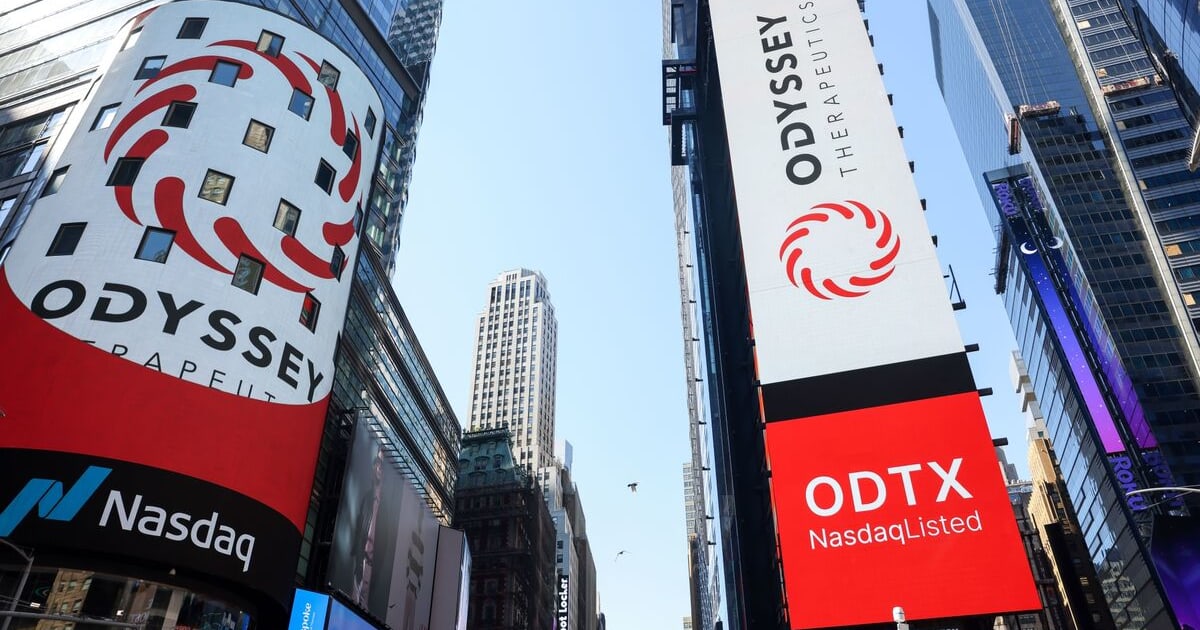
A notable trend has emerged in the global healthcare IPO market: new listings are failing to deliver strong debut gains, and in some cases, are trading below their issue price. This unexpected underperformance, observed in recent international offerings, casts a shadow over the Indian healthcare sector's fundraising landscape and valuation expectations. WelthWest Research Desk delves into the underlying causes, dissects the market's reaction, and provides an actionable playbook for navigating this evolving environment, with a keen focus on NSE and BSE listed entities.
Indian Healthcare IPOs Underperform: A Definitive Analysis of Market Cooling and Investor Strategy
The global healthcare investment landscape is signaling a significant shift. Recent initial public offerings (IPOs) in the healthcare sector, particularly from international markets, have struggled to meet investor expectations, with many trading below their offer prices shortly after debut. This trend marks a stark contrast to the robust investor appetite and premium valuations commanded by healthcare companies over the past few years, fueled by pandemic-era tailwinds and a perception of defensive growth. For Indian markets, this underperformance is not merely a distant phenomenon; it represents a potential precursor to a broader reassessment of capital allocation, fundraising sentiment, and valuation benchmarks for both existing and upcoming healthcare sector listings on the National Stock Exchange (NSE) and Bombay Stock Exchange (BSE).
The core event—healthcare IPOs underperforming on debut—is a critical indicator of potential investor caution. This development arrives at a juncture where global liquidity is tightening, interest rates are elevated, and the exuberance that characterized the post-pandemic market is waning. The 'why now' is rooted in a confluence of factors: increased scrutiny on profitability pathways for high-growth, pre-profit companies; a pivot by institutional investors towards value and cash-flow generative businesses; and a general recalibration of risk premiums in a higher-for-longer interest rate environment. This cooling off period could significantly impact the capital formation trajectory for Indian healthcare companies, particularly those in nascent or high-capex stages, making the current moment pivotal for strategic reassessment.
How Will India's Healthcare IPO Market React to Global Headwinds?
The Indian healthcare sector, encompassing pharmaceuticals, hospitals, diagnostics, and medical devices, has historically been a darling of investors, admired for its defensive characteristics and long-term structural growth drivers such as a burgeoning middle class, increasing health insurance penetration, and a rising burden of chronic diseases. The Nifty Healthcare Index has delivered impressive returns over the past five years, outperforming the broader Nifty 50 in certain periods, driven by strong earnings growth and expansion in valuation multiples.
However, the recent global IPO underperformance introduces a palpable sense of caution. Historically, trends in global equity markets, especially concerning investor sentiment towards specific sectors, often find their way to Indian shores with a lag. For instance, during the tech bubble burst of 2000-2001, while Indian IT stocks initially showed resilience, the prolonged global downturn eventually led to significant corrections. More recently, the liquidity tightening cycle in late 2022 saw a noticeable moderation in IPO enthusiasm across sectors, with several listings struggling to maintain their premium valuations post-debut. The Nifty Pharma Index, for example, corrected by nearly 15% from its peak in late 2022 to mid-2023, reflecting a broader market reassessment.
This time, the impact on India's healthcare sector could manifest in several ways:
- Reduced Appetite for New Listings: Companies planning to go public, especially those with aggressive valuation expectations or without a clear path to sustained profitability, may find it harder to attract anchor investors and achieve desired subscription levels.
- Valuation Compression: Existing listed healthcare companies, particularly those trading at elevated price-to-earnings (P/E) multiples or enterprise value to EBITDA (EV/EBITDA) ratios based on future growth projections, might experience a de-rating as investors demand a higher discount rate for future cash flows.
- Shift in Investor Focus: There will likely be a pronounced shift from growth-at-any-cost narratives to a focus on robust balance sheets, consistent free cash flow generation, and demonstrable profitability.
- Sectoral Divergence: Sub-sectors within healthcare might react differently. For instance, capital-intensive hospital chains with high debt could face greater scrutiny, while established pharmaceutical companies with strong product pipelines and stable cash flows might be viewed as relatively safer havens. Diagnostic chains, which witnessed a boom during the pandemic, could also see their growth multiples re-evaluated as base effects normalize.
The average oversubscription rate for Indian IPOs, which stood at a healthy 20x in the first half of 2023, could see a moderation for healthcare-specific offerings if this cautious sentiment persists. Institutional investors, who typically drive demand for large IPOs, are likely to become more discerning, demanding higher discounts to intrinsic value.
Which Indian Healthcare Stocks Are Most Vulnerable to Valuation Reassessment?
The ripple effect of global healthcare IPO underperformance will not be uniform across the Indian healthcare landscape. WelthWest Research Desk identifies specific categories of stocks on the NSE and BSE that are likely to be most affected:
- Hospital Chains with High Growth Expectations: Companies like Max Healthcare Institute (NSE: MAXHEALTH), currently trading at an elevated P/E ratio of approximately 55x (FY24E), could face pressure. While MAXHEALTH has a strong track record of operational efficiency and expansion, investor focus may shift to the sustainability of margins and the impact of new capacity additions on immediate profitability. Similarly, mid-cap hospital players such as KIMS Hospitals (NSE: KIMS), which saw a robust listing, might find their growth premium scrutinized if the broader sentiment turns cautious. Their ability to deliver consistent EBITDA growth above 15% will be critical to sustain current valuations.
- Diagnostic Companies with Normalizing Growth: Firms like Metropolis Healthcare (NSE: METROPOLIS) and Dr. Lal PathLabs (NSE: LALPATHLAB), which benefited immensely from testing volumes during the pandemic, now face a normalizing growth environment. While their market positions are strong, their P/E multiples, often in the 40-50x range, could be vulnerable to a de-rating if post-pandemic organic growth rates do not meet aggressive projections. For instance, if Dr. Lal PathLabs' revenue growth moderates from its historical 15% CAGR to sub-10%, its current market capitalization of approximately INR 22,000 crore could see downward pressure.
- Specialty Pharma with Limited Pipeline Visibility: While large-cap pharmaceutical players like Sun Pharmaceutical Industries (NSE: SUNPHARMA) and Dr. Reddy's Laboratories (NSE: DRREDDY), with their diversified portfolios and global presence, are relatively more resilient, smaller specialty pharma companies or those heavily reliant on a few key products with upcoming patent expirations could be impacted. Their ability to command premium valuations (e.g., above 30x P/E) will depend on clear visibility into their R&D pipeline and new product launches.
- Companies Eyeing IPOs: Unlisted healthcare unicorns or established private players, particularly in medical devices, health-tech, or niche services, that were planning to tap the public markets with aggressive valuations, will likely need to recalibrate their expectations significantly. This could lead to delayed listings, revised offer prices, or even a pivot towards private funding rounds at more conservative valuations.
Investors must closely monitor the quarterly earnings reports of these companies, paying particular attention to revenue growth rates, EBITDA margins, and, critically, free cash flow generation. A divergence from projected figures, even slight, could trigger a sharp reaction in a cautious market.
Expert Perspective: Bulls vs. Bears on Indian Healthcare Equities
“The current market behavior is a necessary correction. Excessive valuations built on future growth narratives, especially for pre-profit companies, are unsustainable in a higher interest rate regime. We expect a flight to quality, favoring established players with strong balance sheets and proven profitability over speculative bets. This is not the end of the healthcare growth story, but a re-evaluation of its price.” – Bearish Market Strategist, WelthWest Research Desk.
Bears argue that the era of easy money, which fueled inflated valuations across growth sectors, is definitively over. They point to rising global interest rates, which increase the discount rate for future earnings, making high P/E multiples less justifiable. For the Indian healthcare sector, this translates to heightened scrutiny on earnings quality, debt levels, and the actual return on capital employed for expansion projects. They believe that many mid-cap healthcare stocks are still trading at a significant premium to their historical averages and a correction is overdue, potentially bringing the Nifty Healthcare Index down by another 10-12% in the short to medium term.
“While short-term sentiment may be cautious, the long-term structural drivers for Indian healthcare remain robust. An aging population, increasing disposable incomes, and a growing emphasis on wellness ensure sustained demand. This dip could present an attractive entry point for long-term investors in fundamentally strong companies. Healthcare is inherently defensive, and quality will always command a premium.” – Bullish Equity Analyst, WelthWest Research Desk.
Bulls, on the other hand, emphasize the non-discretionary nature of healthcare spending and India's unique demographic advantages. They argue that any short-term underperformance related to IPO sentiment is transient and does not negate the secular growth story. They foresee continued government spending on healthcare infrastructure, a boom in medical tourism, and a robust domestic pharmaceutical manufacturing base as strong tailwinds. For them, any significant correction in frontline healthcare stocks like Apollo Hospitals Enterprise (NSE: APOLLOHOSP), which boasts a diversified portfolio from hospitals to pharmacies and diagnostics, would represent a buying opportunity for investors with a multi-year horizon, especially if its P/E multiple approaches 45-50x from its current 60x+. They also highlight the potential for innovation and digital transformation within the sector to unlock new growth avenues.
Actionable Investor Playbook: Navigating Healthcare Volatility
In this environment of heightened caution, WelthWest Research Desk recommends a strategic and discerning approach for investors in the Indian healthcare sector:
- Prioritize Quality and Cash Flow: Focus on companies with consistent profitability, strong free cash flow generation, and low debt-to-equity ratios. Look for businesses that can fund their growth organically rather than relying heavily on external capital. Companies like Cipla (NSE: CIPLA), known for its strong balance sheet and robust domestic formulation business, or Divi's Laboratories (NSE: DIVISLAB), a leading API manufacturer with a track record of high margins, fit this profile.
- Reassess Valuations: Critically evaluate the P/E and EV/EBITDA multiples of your existing healthcare holdings. Compare them against historical averages and industry peers, both domestically and globally. Be wary of stocks trading at significant premiums without clear, sustainable competitive advantages. Consider a 'sell' or 'reduce' stance on highly speculative growth stocks.
- Seek Defensive Plays with Stable Earnings: In a volatile market, defensive sectors often outperform. Large-cap pharmaceutical companies with diversified revenue streams, strong brand presence, and a global footprint tend to offer more stability. These could include Lupin (NSE: LUPIN) or Glenmark Pharmaceuticals (NSE: GLENMARK) if they show consistent improvement in their core businesses and debt reduction.
- Consider Phased Entry/Exit: Rather than making lump-sum investments or divestments, adopt a staggered approach. Use any market corrections as opportunities for phased entry into fundamentally sound stocks at attractive valuation levels. For instance, if a blue-chip hospital stock corrects by 10-15% from its peak, consider initiating a position.
- Monitor IPO Pipeline: Keep a close watch on upcoming healthcare IPOs. Their pricing and post-listing performance will serve as crucial indicators of prevailing market sentiment and investor appetite. A series of successful, well-priced IPOs could signal a return of confidence, while continued underperformance would reinforce caution.
- Time Horizon: This is a period for long-term investors to accumulate quality assets. Short-term traders might find increased volatility but also higher risks.
Risk Matrix: Potential Headwinds for Indian Healthcare
- Sustained Global Liquidity Tightening (Probability: Medium-High): If central banks globally maintain a hawkish stance for longer than anticipated, higher interest rates will continue to pressure growth stock valuations and increase borrowing costs for capital-intensive healthcare businesses.
- Broader Market Correction (Probability: Medium): A significant correction in the broader Nifty 50 or Nifty Midcap indices, potentially triggered by global economic slowdowns or geopolitical events, would invariably drag down even fundamentally strong healthcare stocks.
- Increased Regulatory Scrutiny/Price Controls (Probability: Medium): The Indian government has historically intervened in drug pricing and medical device costs. Any new policy interventions aimed at making healthcare more affordable could impact the profitability margins of pharmaceutical and hospital companies.
- Further IPO Underperformance (Probability: High): A continued trend of weak debuts for new healthcare listings, both globally and domestically, would cement negative investor sentiment, making future fundraising challenging and potentially leading to a re-rating of existing listed peers.
What to Watch Next: Catalysts and Data Points
Investors should closely monitor the following key developments to gauge the evolving landscape of Indian healthcare equities:
- Upcoming Healthcare IPOs: The performance of the next 2-3 significant healthcare IPOs, both internationally and in India, will be a critical barometer of investor sentiment. Pay attention to subscription rates, anchor investor participation, and post-listing performance.
- Q3 and Q4 FY24 Earnings Reports: The quarterly results of major Indian healthcare companies, particularly their revenue growth, EBITDA margins, and management commentary on future outlook and capital expenditure plans, will provide crucial insights into operational health.
- Global Macroeconomic Data: Inflation figures, interest rate decisions by the US Federal Reserve and the Reserve Bank of India (RBI), and global liquidity trends will continue to influence risk appetite and valuation multiples for all growth sectors, including healthcare.
- Government Policy Announcements: Any new initiatives or regulatory changes related to healthcare infrastructure, drug pricing, or health insurance in India could significantly impact the sector's profitability and growth trajectory. Look for announcements during budget sessions or parliamentary discussions.
- M&A Activity: Consolidation within the healthcare sector, particularly involving private equity or strategic acquisitions, could signal underlying value and investor confidence, potentially acting as a positive catalyst.
The current environment for healthcare IPOs underscores a broader market maturation. While the long-term growth story for Indian healthcare remains compelling, investors must now navigate with a more analytical lens, prioritizing sustainable earnings and robust fundamentals over mere growth projections. WelthWest Research Desk will continue to provide in-depth analysis as this critical sector evolves.
Run a free AI Stock Screen
Our algorithmic screener scores any NSE/BSE stock on fundamentals, momentum, and risk — free to try, no card needed.
Try the AI Screener →Have questions about this story?
Ask Welth, our finance-focused AI research assistant, for a deeper breakdown — free trial included.
Chat with Welth AI →Disclaimer: This content is generated by WelthWest Research Desk based on publicly available reports and is for informational purposes only. It does not constitute financial advice, investment recommendations, or an offer to buy or sell securities. Always consult a qualified financial advisor before making investment decisions.