Key Takeaway
The Intel-Google foundry partnership breaks the TSMC monopoly, triggering a 'China-Plus-One' equivalent for silicon. For Indian investors, this creates a massive tailwind for IT majors managing the infrastructure transition of the world's largest tech stacks.
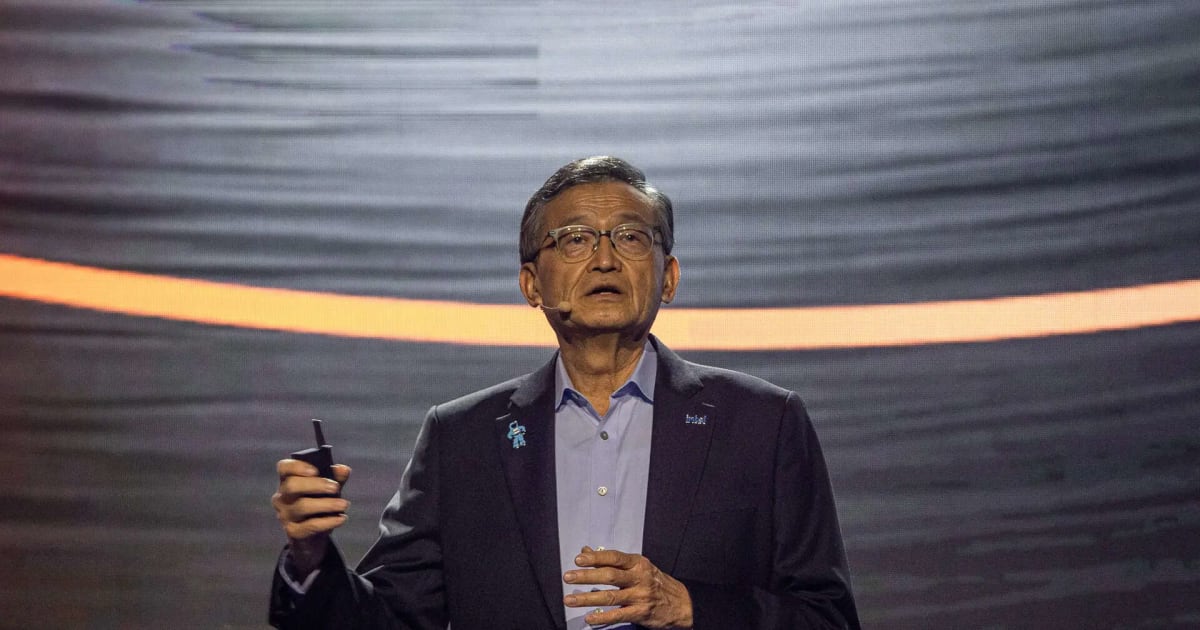
Alphabet’s decision to tap Intel for in-house chip manufacturing marks a pivotal shift in global semiconductor logistics. This article analyzes the ripple effects on the Indian IT services sector, identifying why firms like TCS, Infosys, and HCL are the silent winners of this hardware revolution.
The Silicon Pivot: Decoding the Intel-Google Foundry Alliance
In a move that sends shockwaves through the global semiconductor supply chain, Alphabet (Google) has officially tapped Intel’s foundry division to manufacture its proprietary chips. This is not merely a supply contract; it is a structural realignment of the global tech architecture. For decades, the industry has suffered from 'TSMC-dependency syndrome.' By diversifying into Intel, Google is signaling a long-term de-risking strategy that prioritizes supply chain sovereignty over legacy foundry costs.
For the Indian stock market, this is a profound development. As global tech giants move to re-architect their hardware foundations, they require a massive surge in systems integration, cloud migration, and data center management services. This is where Indian IT giants—the backbone of global digital infrastructure—are positioned to capture the windfall.
Why Is This Deal a Catalyst for Indian IT Stocks?
When global hardware supply chains shift, the software and infrastructure layers must be rewritten to accommodate new chip architectures. Intel’s entry as a dominant foundry player means that Google, and eventually other hyperscalers, will need to optimize their cloud workloads for Intel’s specific manufacturing nodes. Indian IT firms, which handle the cloud migration and infrastructure maintenance for these hyperscalers, will see a sharp increase in high-margin consulting work.
How will the shift to Intel foundries impact Indian IT services revenue?
Historically, when major infrastructure transitions occurred—such as the mass migration to AWS/Azure circa 2018—Indian IT firms saw their 'Cloud & Infrastructure' segment revenues grow at a CAGR of 15-18%. The Intel-Google deal acts as a 'second wave' of infrastructure transformation. We expect a similar uptick in project-based revenue for firms with deep expertise in silicon-to-cloud integration.
Stock-by-Stock Breakdown: Who Wins in the Indian Market?
- TCS (TCS.NS): As the primary partner for many global hyperscalers, TCS is best positioned to lead the large-scale infrastructure migration projects. With a P/E ratio of ~30x, TCS offers stability while acting as a proxy for global tech capex.
- Infosys (INFY.NS): Infosys has been aggressively pushing its 'Cobalt' cloud platform. As Google shifts its hardware strategy, Infosys's ability to provide 'chip-aware' cloud optimization makes them a critical partner for the transition.
- HCL Technologies (HCLTECH.NS): HCL is the industry leader in Engineering and R&D (ER&D) services. This deal will likely lead to an influx of semiconductor-related design and testing contracts, a segment where HCL holds a significant moat.
- Wipro (WIPRO.NS): Wipro’s focus on industrial IoT and hardware-software integration will be tested. If they can secure specialized chip-testing contracts, the upside is significant, though execution risk remains higher than their peers.
Expert Perspective: The Bull vs. Bear Case
The Bull Case: Proponents argue that this is the beginning of the end for the semiconductor supply chain bottleneck. By introducing Intel as a viable alternative to TSMC, the cost of compute will eventually stabilize, leading to higher enterprise IT spending globally. This is a 'rising tide lifts all ships' scenario for the Nifty IT index.
The Bear Case: Skeptics, particularly those focused on Intel’s execution risk, point to Intel’s history of delays. If Intel fails to scale its advanced nodes by the 2028 timeline, the current market optimism will evaporate. Furthermore, if the foundry shift leads to increased R&D costs for Google, they may trim their software budgets, potentially hitting the margins of Indian service providers.
Actionable Investor Playbook
For investors looking to capitalize on this shift, we recommend a phased entry approach:
- Accumulate on Dips: Look for 3-5% corrections in TCS and HCL Tech to build long-term positions.
- Monitor Capex Cycles: Watch the quarterly earnings call of US-based hyperscalers (Google, Microsoft, AWS). If their Capex guidance increases, treat it as a buy signal for Indian IT stocks.
- Time Horizon: This is a 3-5 year structural play. Do not look for immediate quarterly spikes; focus on the multi-year transformation of the global cloud stack.
Risk Matrix: Assessing the Uncertainties
| Risk Factor | Probability | Impact |
|---|---|---|
| Intel Foundry Delays | High | High |
| Global Recessionary Pressures | Medium | Very High |
| Geopolitical Trade Curbs | Low | Medium |
| AI-driven Margin Compression | Medium | Medium |
What to Watch Next: Catalysts for 2025
Keep a close eye on the Intel Foundry Direct Connect events and the upcoming earnings reports from the big four Indian IT firms. Specifically, watch for mentions of 'semiconductor services' or 'hardware-software co-design' in their management commentary. These keywords will be the leading indicators of how quickly this deal is translating into revenue for the Indian services sector.
See TCS's AI Score
Our algorithmic screener scores TCS on fundamentals, momentum, and risk — free to try, no card needed.
Try the AI Screener →Have questions about this story?
Ask Welth, our finance-focused AI research assistant, for a deeper breakdown — free trial included.
Chat with Welth AI →Disclaimer: This content is generated by WelthWest Research Desk based on publicly available reports and is for informational purposes only. It does not constitute financial advice, investment recommendations, or an offer to buy or sell securities. Always consult a qualified financial advisor before making investment decisions.
