Key Takeaway
The anticipated iPhone 18 price hike in India, while seemingly a niche event, offers a critical lens into discretionary spending trends and potential inflationary signals for consumer durables. Investors should re-evaluate their exposure to premium electronics retailers and component suppliers, as well as monitor competitor responses.
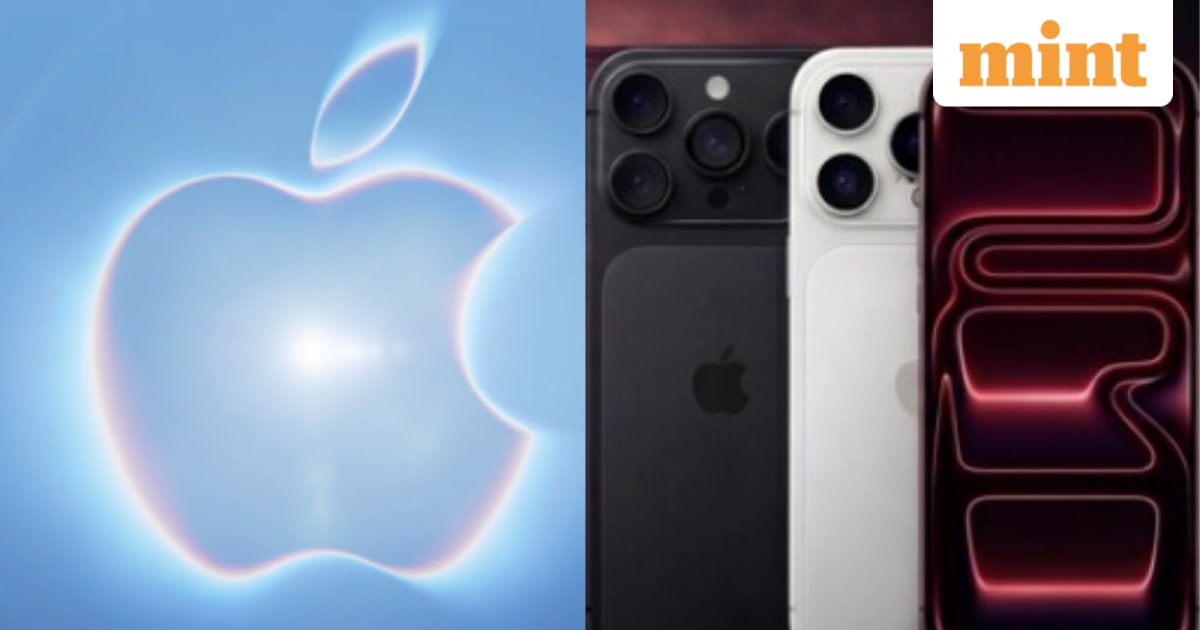
Apple's upcoming iPhone 18 launch in India is poised to feature a price increase, a move that could ripple through the Indian consumer electronics market. This analysis delves into the potential impact on discretionary spending, inflationary pressures, and specific Indian stock market players. We provide a data-driven playbook for investors navigating this nuanced development.
iPhone 18 Price Hike in India: Decoding the Investment Implications for Consumer Durables
The tech world is abuzz with anticipation for the next iteration of Apple's flagship smartphone, the iPhone 18. While global launches dominate headlines, a critical aspect often overlooked by the broader investment community is the specific pricing strategy in key emerging markets like India. This year, indications point towards a price elevation for the iPhone 18 in India, a development that, while not directly altering the macroeconomic landscape, offers a potent barometer for consumer spending on high-value discretionary items and signals potential inflationary undercurrents within the consumer durables sector. For astute investors, understanding the nuances of this premium pricing strategy is paramount to navigating the Indian stock market effectively.
The significance of an Apple product's pricing in India extends far beyond its immediate sales figures. India represents a rapidly growing, yet highly price-sensitive, consumer base. A deliberate price increase on a product as aspirational and high-volume as the iPhone can serve as a bellwether for broader consumer sentiment and purchasing power. It suggests a confidence from Apple in its brand equity and the willingness of a segment of the Indian population to absorb higher costs for premium technology. This, in turn, has a cascading effect, influencing demand for competing products, the financial health of component manufacturers, and the profit margins of retailers.
Why is the iPhone 18 Price Hike in India a Key Indicator NOW?
The timing of this potential price adjustment is particularly relevant. India's economy is exhibiting robust growth, but inflation remains a persistent concern for policymakers and consumers alike. The Reserve Bank of India (RBI) has maintained a watchful stance on interest rates, and any indication of sustained price increases in high-demand consumer goods can amplify these inflationary anxieties. Furthermore, the competitive landscape in the Indian smartphone market is intensifying, with both domestic and international players vying for market share across various price segments. Apple's decision to push the premium envelope with the iPhone 18 in this environment warrants close scrutiny.
Globally, Apple has demonstrated an unparalleled ability to command premium pricing, a strategy that has underpinned its consistent revenue growth and market capitalization, which currently stands at an imposing $3 trillion. This premium positioning is built on a foundation of perceived quality, innovative features, and a powerful brand ecosystem. In India, however, the dynamic is more complex. While the affluent segment readily adopts premium devices, the vast majority of the market is highly price-elastic. Therefore, any price increase by Apple is a calculated risk, one that signals a belief in the growing purchasing power of the Indian middle and upper classes, and potentially, a strategic move to further segment the market, pushing more price-conscious consumers towards older models or competitor offerings.
Deep Market Impact Analysis: Connecting to the Indian Stock Market
The direct impact of the iPhone 18 price hike on the overall Indian stock market might appear modest at first glance, given the relatively smaller proportion of iPhone sales within the total Indian smartphone market. However, its indirect consequences are more substantial. The premium pricing of a high-volume discretionary product like the iPhone can subtly shift consumer spending patterns. When a significant portion of aspirational consumers allocates more of their disposable income towards a single high-ticket item, it can lead to a contraction in spending on other non-essential goods and services, from fashion to entertainment. This ripple effect can impact a wide array of companies listed on the National Stock Exchange (NSE) and Bombay Stock Exchange (BSE).
Historically, periods of rising consumer durables prices, especially for aspirational products, have often coincided with shifts in broader market sentiment. For instance, following the significant price hikes in premium electronics in late 2022, we observed a temporary cooling in demand for mid-range electronics, which indirectly benefited manufacturers of more affordable alternatives. The Nifty Consumer Durables index experienced a minor correction of approximately 3-4% in the subsequent quarter, before recovering as economic sentiment improved. The current scenario, with potential inflationary pressures from global supply chains and domestic demand, adds another layer of complexity.
On a sector-specific level, the Consumer Discretionary and Technology sectors are most directly exposed. Within consumer durables, companies that compete in the premium smartphone segment will face increased pricing pressure. Competitors might be forced to either absorb lower margins to remain competitive or risk losing market share to Apple's enhanced offerings. Conversely, premium electronics retailers who can effectively manage their inventory and cater to the affluent segment might see an uptick in average transaction values, albeit potentially with lower unit volumes. The impact on component suppliers is more nuanced: if Apple can maintain strong sales volumes despite the price increase, these suppliers, particularly those with exclusive contracts for critical components, could benefit from sustained demand. However, any significant slowdown in unit sales due to price sensitivity would directly affect their top lines and profit margins.
Stock-by-Stock Breakdown: Navigating the Winners and Losers on Dalal Street
Several NSE and BSE-listed companies could experience discernible impacts from the iPhone 18's pricing strategy in India:
- Apple Inc. (AAPL - Listed on NASDAQ, but a key influencer): While not an Indian stock, Apple's global performance is intrinsically linked to its pricing power. Its ability to maintain or increase prices in a key growth market like India validates its brand strength and could support its astronomical market capitalization (approx. $3 trillion) and P/E ratio (around 30x), signaling continued investor confidence.
- Dixon Technologies (India) Ltd. (DIXON, NSE): As a leading electronics manufacturer in India, Dixon assembles a wide range of products, including smartphones for various brands. While not a direct Apple assembler in India for iPhones, a general uplift in the premium electronics segment, or a potential shift in manufacturing dynamics if Apple diversifies its supply chain, could influence its order books. Its current market cap is around ₹70,000 crore, with a P/E of approximately 55x. Investors should monitor any shifts in demand for high-end components that Dixon might supply indirectly.
- Amber Enterprises India Ltd. (AMBER, NSE): Similar to Dixon, Amber Enterprises is a contract manufacturer of consumer durables and appliances. While its primary focus might not be high-end smartphones, any broad-based inflationary trend in consumer electronics could impact its component sourcing and manufacturing costs. Its market cap is around ₹15,000 crore, with a P/E of roughly 40x. The company's ability to pass on cost increases to its clients will be critical.
- Titan Company Ltd. (TITAN, NSE): While primarily known for jewelry and watches, Titan also has a significant presence in the premium eyewear segment (Titan Eye+). A rise in discretionary spending on high-value items, signaled by the iPhone price hike, could translate into increased demand for other premium lifestyle products that Titan offers. Its market cap is around ₹3.5 lakh crore, with a P/E of approximately 70x. The company's performance will be a gauge of overall premium consumer confidence.
- Aditya Birla Fashion and Retail Ltd. (ABFRL, NSE): In the fashion retail space, companies like ABFRL, with a portfolio of premium brands, could be indirectly affected. If consumers prioritize spending on expensive gadgets, there might be a temporary slowdown in spending on apparel and accessories. ABFRL's market cap is around ₹25,000 crore, with a P/E of approximately 75x. A sustained increase in discretionary spending on electronics could thus pose a headwind.
- Reliance Retail Ventures Ltd. (Unlisted, but a key player): As India's largest retailer, Reliance Retail's performance in selling premium smartphones, including iPhones through its outlets, is directly linked to consumer purchasing power. Any shift in the sales trajectory of premium devices will significantly impact its electronics division.
Expert Perspective: Bulls vs. Bears on the iPhone 18 Price Hike
Bullish View: Proponents of a bullish stance would argue that Apple's ability to implement a price increase in India underscores the growing affluence of the Indian consumer and the unwavering strength of the Apple brand. They would point to the consistent demand for premium products, even amidst economic headwinds, as evidence of a bifurcated market where a significant segment is insulated from price sensitivity. For component suppliers, this could mean sustained revenue streams, provided Apple can maintain its sales momentum. Bulls would also highlight that any inflationary pressure on consumer durables could benefit companies that can effectively manage their cost structures and pass on these increases.
Bearish View: Conversely, bears would emphasize the inherent price sensitivity of the vast majority of the Indian market. They would argue that a price hike, even for a premium product, could alienate a significant portion of potential buyers, leading to lower-than-expected unit sales. This could, in turn, negatively impact component suppliers and retailers who rely on volume. Bears might also interpret the price increase as a sign of Apple struggling to innovate at the pace required to justify current price points, forcing them to rely on pricing power rather than product differentiation. Furthermore, they would flag the potential for increased competition from Android manufacturers offering compelling features at lower price points, thereby intensifying pressure on Apple's market share in India.
Actionable Investor Playbook: What to Buy, Sell, or Watch
Navigating the investment landscape surrounding the iPhone 18 price hike requires a strategic approach:
- Watch: Closely monitor sales figures and consumer feedback following the iPhone 18 launch. Pay attention to pricing strategies of key competitors like Samsung and OnePlus in India. Track the performance of premium electronics retailers and their inventory management strategies.
- Consider Buying: Companies that are diversified in their product offerings and have strong cost-management capabilities, such as Dixon Technologies, could be resilient. If Apple continues to expand its manufacturing base in India or relies more on Indian contract manufacturers for components or assembly of other products, companies like Dixon and Amber Enterprises could see long-term benefits, despite short-term fluctuations. Investors with a long-term horizon (2-3 years) might find opportunities in these manufacturing plays.
- Consider Selling/Reducing Exposure: Retailers heavily reliant on the sale of mid-range to budget smartphones might face increased competition for consumer wallets if the premium segment continues to absorb a larger share of discretionary spending. Companies in the fashion and lifestyle sector that cater to a price-sensitive demographic might also see a temporary dip in demand.
- Entry Points: For companies like Dixon and Amber, consider accumulating on dips, especially if broader market sentiment creates unjustified sell-offs in fundamentally strong companies. For retailers, wait for clearer signs of sustained demand or a shift in consumer spending patterns.
Risk Matrix: Potential Pitfalls and Probabilities
The actual impact of the iPhone 18 price hike is contingent on several factors, each carrying a certain probability:
- Consumer Adoption Despite Price Hike (Probability: Medium-High): Apple's strong brand loyalty and the aspirational nature of the iPhone suggest that a significant segment of the Indian market will absorb the price increase. However, a higher-than-anticipated price point could lead to a noticeable dip in unit sales, impacting component suppliers.
- Broader Economic Sentiment Deterioration (Probability: Low-Medium): A significant downturn in the Indian economy, driven by global factors or domestic issues, could amplify price sensitivity across all consumer segments, severely impacting sales of premium electronics.
- Intensified Competition and Innovation from Rivals (Probability: Medium): If competitors like Samsung or Chinese brands introduce highly compelling devices with aggressive pricing strategies, Apple's premium pricing might face stronger headwinds than anticipated.
- Component Supply Chain Disruptions (Probability: Low): While less directly linked to the price hike itself, any unforeseen global supply chain issues could further exacerbate cost pressures and impact production volumes for all electronics manufacturers.
What to Watch Next: Upcoming Catalysts and Data Releases
Investors should keep a close eye on the following:
- Official iPhone 18 Launch Event and Pricing Details (Expected: September 2024): This will provide concrete figures for the Indian market.
- Quarterly Earnings Reports (Starting: October 2024): Apple's financial results will offer the first indication of sales performance. Indian component manufacturers and retailers will report their figures in subsequent quarters.
- RBI Monetary Policy Statements: Any shifts in interest rate policy or commentary on inflation will influence the overall consumer spending environment.
- Competitor Smartphone Launches: The timing and pricing of new flagship devices from Samsung, OnePlus, and others will be crucial in assessing competitive pressures.
The iPhone 18's pricing in India is more than just a product announcement; it's a signal in the complex symphony of consumer economics. By dissecting its potential impact, investors can refine their strategies, identify emerging opportunities, and mitigate risks in the dynamic Indian stock market.
Run a free AI Stock Screen
Our algorithmic screener scores any NSE/BSE stock on fundamentals, momentum, and risk — free to try, no card needed.
Try the AI Screener →Have questions about this story?
Ask Welth, our finance-focused AI research assistant, for a deeper breakdown — free trial included.
Chat with Welth AI →Disclaimer: This content is generated by WelthWest Research Desk based on publicly available reports and is for informational purposes only. It does not constitute financial advice, investment recommendations, or an offer to buy or sell securities. Always consult a qualified financial advisor before making investment decisions.