Key Takeaway
The evaporation of optimism surrounding a US-Iran rapprochement is injecting significant volatility into global energy markets, with immediate and substantial repercussions for India's inflation trajectory and equity valuations. Investors must recalibrate portfolios to navigate this heightened geopolitical risk premium.
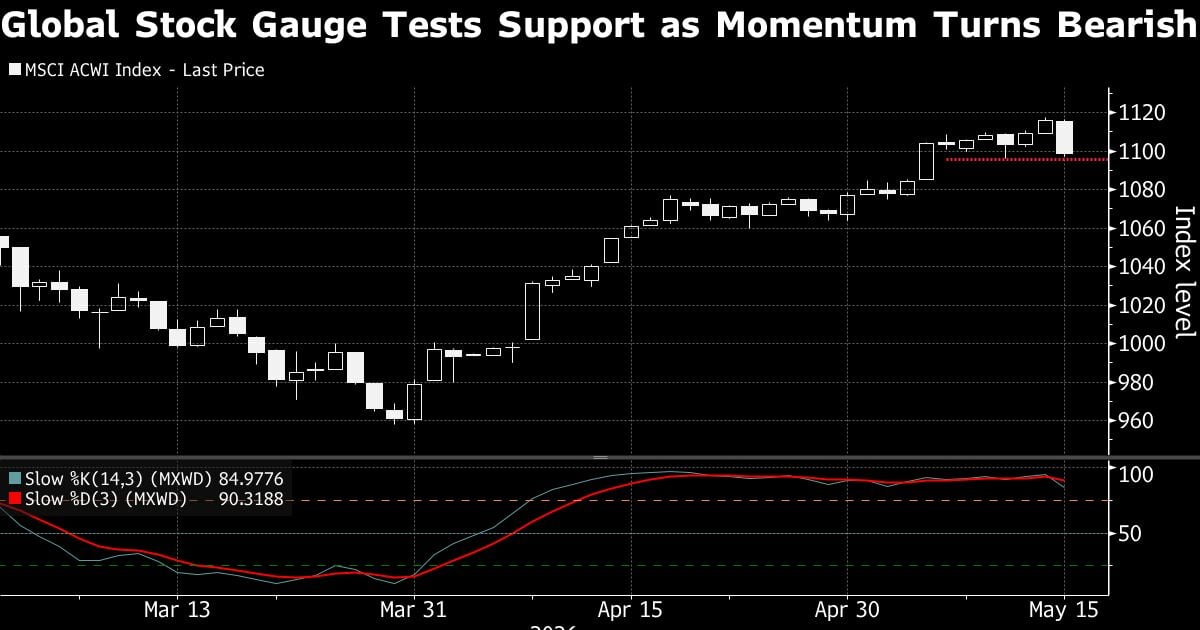
As diplomatic overtures between the US and Iran falter, crude oil prices are surging, signaling a challenging period for energy-importing nations like India. This analysis dissects the cascading impact on Indian stock market sectors, identifies key affected companies, and provides an actionable investor playbook for the unfolding geopolitical narrative.
Geopolitical Sands Shift: Iran Deal Disillusionment Sends Oil Soaring, Indian Markets Reeling
The Looming Shadow of the Strait of Hormuz: Why This Matters Now
The delicate dance of international diplomacy, often unseen by the broader public, has a profound and immediate impact on global financial markets. Recently, hopes for a renewed US-Iran deal, which could have potentially eased sanctions and influenced oil supply dynamics, have begun to significantly recede. This shift in sentiment, driven by a lack of concrete progress and escalating regional rhetoric, has triggered a palpable surge in crude oil prices. For India, an economy heavily reliant on energy imports, this development is not merely a headline; it is a direct assault on its macroeconomic stability and corporate profitability. The Strait of Hormuz, a critical chokepoint for approximately 30% of the world's seaborne oil trade, becomes a flashpoint of concern. Any perceived threat to its unimpeded flow translates into a risk premium embedded directly into oil prices, creating a domino effect across India's economic landscape.
The immediate consequence for India is a likely exacerbation of inflationary pressures. Crude oil is a foundational input cost for a vast array of goods and services, from transportation and manufacturing to agriculture. A sustained increase in oil prices directly translates to higher logistics costs, increased prices for petroleum products, and consequently, a broader uplift in the Consumer Price Index (CPI). This inflationary spiral can erode purchasing power, dampen consumer sentiment, and force the Reserve Bank of India (RBI) into a difficult policy dilemma. Furthermore, a widening current account deficit becomes a distinct possibility as the import bill balloons, putting downward pressure on the Indian Rupee. A weaker rupee not only makes imports more expensive but also increases the burden of dollar-denominated debt for Indian corporates, impacting their bottom lines.
Deep Market Impact Analysis: Connecting the Oil Shock to Indian Equities
The current geopolitical recalibration points towards a decidedly bearish sentiment for the broader Indian equity market. The Nifty 50, a benchmark index representing the top 50 Indian companies, is particularly vulnerable to shifts in global commodity prices and investor risk appetite. Historically, periods of significant oil price spikes have correlated with periods of market correction. For instance, during the escalation of geopolitical tensions in early 2022, which saw oil prices briefly breach $130 per barrel, the Nifty experienced a notable drawdown, reflecting the market's sensitivity to energy shocks. While the exact magnitude of future moves is uncertain, the underlying economic fundamentals suggest a challenging environment ahead.
The impact is not uniform across all sectors. The Energy sector, particularly upstream exploration and production (E&P) companies, stands to be a significant beneficiary. Higher crude prices translate directly into improved revenue realization and profit margins for these entities, assuming production levels remain stable. Conversely, sectors that are heavily dependent on fuel costs or discretionary consumer spending are likely to face substantial headwinds. The Aviation sector, already navigating post-pandemic recovery, will see its operating costs soar with rising jet fuel prices, directly impacting profitability and potentially leading to fare hikes that could dampen passenger demand. Similarly, logistics and shipping companies will grapple with elevated fuel expenses, squeezing margins and potentially leading to surcharges passed on to consumers. The Automotive sector, a bellwether for economic activity, will feel the pinch through increased input costs and potentially reduced consumer demand as higher fuel prices eat into disposable incomes. Consequently, consumer discretionary spending, encompassing everything from durable goods to leisure activities, is likely to contract as households prioritize essential spending.
The cascading effect on corporate earnings is a critical consideration. Companies across various sectors will face a dual challenge: higher input costs due to rising commodity prices and potentially lower demand due to reduced consumer spending power. For businesses with significant import components or direct exposure to fuel costs, profit margins will come under severe pressure. Companies with pricing power or the ability to hedge their commodity exposure may fare better, but the overall corporate earnings outlook for the next few quarters is likely to be revised downwards, impacting stock valuations.
Stock-by-Stock Breakdown: Navigating the Winners and Losers on the NSE/BSE
In this evolving market narrative, specific Indian equities are poised for distinct outcomes:
- Oil and Natural Gas Corporation (ONGC) [NSE: ONGC]: As India's largest crude oil and natural gas producer, ONGC is a direct beneficiary of rising global oil prices. With a current market capitalization of approximately INR 2.5 lakh crore and a trailing P/E ratio of around 7x, the company's revenue realization is intricately linked to the Brent crude price. An increase in oil prices by even $10 per barrel can translate into a significant boost in its top and bottom lines. Its peers, Oil India Limited [BSE: OIL] and the public sector oil marketing companies (OMCs) like Hindustan Petroleum Corporation Limited (HPCL) [NSE: HPCL], Bharat Petroleum Corporation Limited (BPCL) [NSE: BPCL], and Indian Oil Corporation Limited (IOCL) [NSE: IOC], also stand to benefit from improved refining margins and potentially government compensation mechanisms, although their downstream operations are sensitive to retail fuel price caps.
- Titan Company Limited [NSE: TITAN]: While not directly exposed to oil prices, Titan, a leading player in the jewellery and watch segments, is an indirect casualty of reduced consumer discretionary spending. With a market cap of over INR 3 lakh crore and a P/E ratio often above 60x, its premium valuation is built on sustained consumer demand for non-essential goods. A sustained high-inflation, high-energy-cost environment will likely curtail discretionary purchases, impacting Titan's revenue growth and potentially leading to a de-rating of its stock.
- InterGlobe Aviation Limited (IndiGo) [NSE: INDIGO]: As India's largest airline, IndiGo is acutely sensitive to fuel price volatility. Jet fuel constitutes a significant portion of an airline's operating expenses. With a market capitalization of around INR 80,000 crore, a sharp and sustained increase in crude oil prices directly translates to higher operating costs. While IndiGo has demonstrated pricing power in the past, a prolonged period of elevated fuel prices could force significant fare hikes, potentially impacting passenger traffic and profitability, leading to a bearish outlook for aviation stocks.
- Gold (as a Safe-Haven Asset): While not a specific NSE/BSE stock, gold prices are a key indicator of geopolitical risk and inflation concerns. Investors often flock to gold during times of uncertainty. For Indian investors, this translates to increased demand for physical gold and gold-backed financial instruments. Companies like Titan Company, which also has a significant jewellery business, can see increased revenue from gold sales, although this is often offset by hedging costs and the impact on other segments.
Expert Perspectives: Bears vs. Bulls on the Geopolitical Oil Shock
The prevailing sentiment among market participants is undeniably bearish, driven by the immediate threat of rising energy costs and their ripple effects. Bears will argue that the fading Iran deal is a harbinger of prolonged geopolitical instability in the Middle East, leading to sustained higher oil prices. They point to the potential for further supply disruptions, the escalation of regional conflicts, and the consequent inflationary pressures that will force central banks to maintain or even tighten monetary policy, thereby stifling economic growth and compressing corporate earnings. The impact on India's current account deficit and currency devaluation will be further ammunition for the bears, painting a grim picture for the equity market.
Conversely, bulls might argue that the market is overreacting to geopolitical rhetoric and that a full-blown conflict is unlikely. They may highlight the resilience of global energy markets in the past and the potential for diplomatic channels to remain open, even if progress is slow. Bulls could also point to India's strong domestic demand drivers, the government's focus on infrastructure development, and the potential for prudent policy responses from the RBI and the government to mitigate the impact of higher oil prices. They might also suggest that the current sell-off presents attractive entry points for fundamentally strong companies, particularly those in sectors less exposed to direct commodity price shocks or those with pricing power.
Actionable Investor Playbook: Navigating the Oil Price Surge
In the face of heightened geopolitical risk and rising oil prices, a strategic and defensive approach is paramount for investors. The immediate focus should be on capital preservation and identifying resilient assets.
- Reduce Exposure to Fuel-Intensive Sectors: Consider trimming positions in airlines, logistics, and automotive stocks. If holding, monitor operating margins closely and look for opportunities to exit if cost pressures become unsustainable.
- Increase Allocation to Energy Producers: For investors with a higher risk tolerance, consider overweighting upstream oil and gas exploration and production companies. Look for companies with strong balance sheets and efficient operations. ONGC and Oil India are prime candidates, but due diligence on their production forecasts and cost structures is essential.
- Fortify with Safe-Haven Assets: Allocate a portion of your portfolio to gold, either through physical holdings or gold-backed ETFs. Gold has historically served as a hedge against inflation and geopolitical uncertainty. The current environment presents a compelling case for such an allocation.
- Focus on Defensive Sectors: Companies in defensive sectors such as FMCG (Fast-Moving Consumer Goods), pharmaceuticals, and utilities tend to perform relatively better during economic downturns and inflationary periods due to stable demand for their products and services. Look for companies with strong brand equity and pricing power.
- Monitor Consumer Discretionary Closely: While generally a sell, monitor companies like Titan Company for potential dips that might present long-term buying opportunities if their fundamental growth story remains intact and valuations become attractive. However, the near-to-medium term outlook remains challenging.
- Time Horizon: This is not a short-term trade. Investors should adopt a medium-term to long-term perspective, focusing on companies that can weather the storm and emerge stronger. The immediate focus is on navigating the next 6-12 months of potential volatility.
Risk Matrix: Assessing the Downside Potential
The current situation is fraught with several interconnected risks that could amplify market dislocations:
- Probability: High (70%) - Escalation of Middle Eastern Tensions: Any direct military confrontation or significant disruption to oil production facilities in the Middle East could send oil prices parabolic, triggering a severe global recession and a sharp sell-off in equities. This would also significantly impact India's trade balance and currency.
- Probability: Medium (50%) - Sustained High Inflation & RBI Tightening: If oil prices remain elevated for an extended period, it will embed higher inflation across the Indian economy. This could force the RBI to abandon its current accommodative stance and consider further interest rate hikes, even at the cost of economic growth, to control inflation. This would negatively impact borrowing costs for corporates and dampen consumer spending.
- Probability: Medium (40%) - Currency Devaluation and Capital Outflows: A widening current account deficit, coupled with global risk aversion, could lead to a significant depreciation of the Indian Rupee. This would not only make imports more expensive but could also trigger capital outflows from foreign institutional investors seeking safer havens, further pressuring the equity market.
What to Watch Next: Key Catalysts for Market Movement
Investors must remain vigilant and track several key developments that will shape the trajectory of this narrative:
- Geopolitical Developments in the Middle East: Any official statements, military posturing, or actual incidents involving Iran and its adversaries will be closely monitored. The next 2-4 weeks are critical for assessing the immediate escalation risk.
- US-Iran Diplomatic Signals: While hopes have faded, any renewed, credible diplomatic overtures or breakdowns in communication will be significant market movers.
- Global Oil Inventories and OPEC+ Decisions: Data on crude oil inventories and pronouncements from the Organization of the Petroleum Exporting Countries (OPEC) and its allies will provide insights into supply-side dynamics. Look for upcoming OPEC+ meetings.
- RBI Monetary Policy Committee (MPC) Meetings: The RBI's stance on interest rates and inflation will be crucial. The next MPC meeting, scheduled for [Insert Date of Next MPC Meeting], will be a key event to gauge the central bank's response to inflationary pressures.
- Indian Inflation Data (CPI & WPI): Monthly inflation figures, particularly those released in the coming weeks, will be closely scrutinized for signs of sustained upward pressure, which could inform the RBI's policy decisions.
The fading prospect of a US-Iran deal is a stark reminder of the interconnectedness of global geopolitics and financial markets. For India, this translates into a period of heightened economic vigilance and strategic portfolio adjustments. By understanding the nuanced impacts and remaining attuned to key developments, investors can better navigate the turbulence ahead.
See ONGC's AI Score
Our algorithmic screener scores ONGC on fundamentals, momentum, and risk — free to try, no card needed.
Try the AI Screener →Have questions about this story?
Ask Welth, our finance-focused AI research assistant, for a deeper breakdown — free trial included.
Chat with Welth AI →Disclaimer: This content is generated by WelthWest Research Desk based on publicly available reports and is for informational purposes only. It does not constitute financial advice, investment recommendations, or an offer to buy or sell securities. Always consult a qualified financial advisor before making investment decisions.
