Key Takeaway
The Iran-Israel escalation is a structural shift for India's macroeconomic stability. Expect sustained volatility as energy-led inflation pressures the RBI, favoring defensive plays in energy and defense over discretionary consumer sectors.
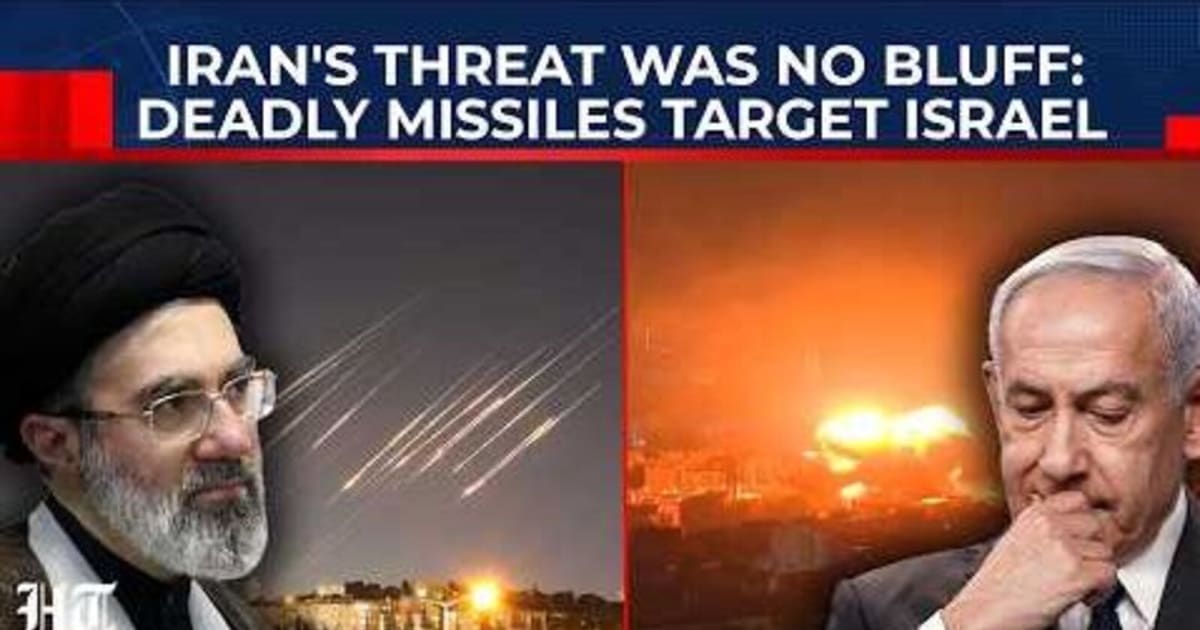
As Middle Eastern tensions boil over, the ripple effects are slamming Indian equities. From a surging import bill to potential FII outflows, we analyze how the Iran-Israel conflict reshapes the Nifty landscape. Discover which sectors are set to hedge the risk and which are facing significant headwinds.
The Geopolitical Pivot: Why the Middle East Matters to Dalal Street
The recent escalation between Iran and Israel is not merely a regional security crisis; it is a fundamental disruption to the global energy supply chain. For India, which imports over 85% of its crude oil requirements, the Strait of Hormuz—the world’s most critical oil chokepoint—is the epicenter of a looming macroeconomic storm. As Brent crude prices react to the specter of supply-side constraints, the Indian Rupee (INR) faces depreciation pressure, directly impacting the Current Account Deficit (CAD).
Historically, during the 2022 energy crisis triggered by the Russia-Ukraine conflict, the Nifty 50 experienced a sharp 10-12% correction over a three-month horizon as FIIs fled to the safety of US Treasuries. The current Iran-Israel situation carries a similar risk profile: a sustained rise in crude prices forces the Reserve Bank of India (RBI) into a hawkish corner, limiting the scope for rate cuts and dampening domestic consumption.
How Will the Iran-Israel Conflict Impact Indian Inflation and Interest Rates?
The transmission mechanism from geopolitical conflict to retail inflation is direct. A $10 increase in crude oil prices typically adds roughly 30-40 basis points to India’s CPI inflation. If the conflict leads to a sustained disruption in transit, the RBI will be forced to maintain higher-for-longer interest rates to combat imported inflation. For the banking sector, this delays the anticipated pivot to an easing cycle, keeping credit growth under pressure and net interest margins (NIMs) tight.
Sectoral Winners and Losers: A Strategic Breakdown
In periods of systemic risk, capital rotation is inevitable. Investors are shifting from beta-heavy cyclical stocks toward defensive, cash-generative businesses.
The Winners: Energy and Defense
- ONGC (NSE: ONGC): As an upstream player, ONGC benefits from higher realization prices on crude oil. With a market cap exceeding ₹3.8 lakh crore, its profitability is highly sensitive to the net crude price, making it a natural hedge against energy inflation.
- OIL (NSE: OIL): Similar to ONGC, Oil India Limited benefits from the elevated price environment. Its low P/E ratio relative to global peers provides a valuation buffer in volatile markets.
- HAL (NSE: HAL) & Bharat Electronics (NSE: BEL): Geopolitical instability acts as a long-term catalyst for India's indigenization efforts. Both stocks serve as safe harbors due to their massive order books and the government's mandate to bolster defense preparedness.
The Losers: Aviation, OMCs, and Chemicals
- InterGlobe Aviation (NSE: INDIGO): Fuel accounts for roughly 40% of an airline's operating costs. A sharp spike in ATF (Aviation Turbine Fuel) prices directly erodes margins, making Indigo particularly vulnerable to a crude price rally.
- HPCL/BPCL (NSE: HPCL, BPCL): Oil Marketing Companies (OMCs) are caught in a squeeze. While they face higher raw material costs, their ability to pass these costs to consumers is often restricted by political exigencies, leading to margin compression.
- Asian Paints (NSE: ASIANPAINT): Paint and chemical companies rely heavily on crude-derivative inputs. Higher input costs, coupled with a slowdown in rural demand, create a 'double-whammy' effect for these manufacturers.
Expert Perspective: The Bull vs. Bear Debate
The Bear Case: Bears argue that the 'India Growth Story' is secondary to global liquidity conditions. If the Iran-Israel conflict leads to a sustained surge in oil, the resulting inflation will erode purchasing power, leading to a downgrade in earnings expectations across the Nifty 50. The risk of FIIs pulling capital from emerging markets to the US Dollar is at its highest level in years.
The Bull Case: Bulls maintain that India’s domestic macro-fundamentals are robust. With a forex reserve buffer of over $680 billion, India is better positioned to handle a currency shock than in previous cycles. Furthermore, the defense and energy sectors provide enough alpha to offset the losses in consumer discretionary and aviation, keeping the overall market resilient.
Actionable Investor Playbook: Navigating the Volatility
For investors, this environment demands a shift from aggressive growth to defensive allocation:
- Trim Exposure to High-Beta: Reduce positions in travel, hospitality, and chemical stocks that are highly sensitive to oil prices and input cost volatility.
- Increase Defensive Allocation: Rotate capital into the defense sector (HAL, BEL) and energy upstream players (ONGC) as a hedge against geopolitical risk.
- Staggered Entry: Avoid lump-sum deployments. Utilize a Systematic Transfer Plan (STP) approach to scale into high-quality mid-caps over the next 3-6 months.
Risk Matrix: Assessing the Impact
| Risk Factor | Probability | Impact |
|---|---|---|
| Strait of Hormuz Closure | Moderate | High |
| Sustained Crude > $95/bbl | High | High |
| RBI Maintains Hawkish Stance | High | Medium |
What to Watch Next
The immediate catalyst will be the weekly inventory reports from the EIA and any signaling from OPEC+ regarding supply quotas. Domestically, watch the RBI’s next monetary policy statement for any shifts in tone regarding inflation expectations. Investors should keep a close eye on the INR-USD exchange rate; a breach of 84.50 could trigger a broader market correction.
See ONGC's AI Score
Our algorithmic screener scores ONGC on fundamentals, momentum, and risk — free to try, no card needed.
Try the AI Screener →Have questions about this story?
Ask Welth, our finance-focused AI research assistant, for a deeper breakdown — free trial included.
Chat with Welth AI →Disclaimer: This content is generated by WelthWest Research Desk based on publicly available reports and is for informational purposes only. It does not constitute financial advice, investment recommendations, or an offer to buy or sell securities. Always consult a qualified financial advisor before making investment decisions.
