Key Takeaway
Escalating geopolitical tensions in the Middle East, particularly Iran's threats to vital oil routes, pose a significant headwind for the Indian economy and equity markets. Investors must brace for higher crude prices, potential rupee depreciation, and inflationary pressures, requiring a defensive pivot towards energy producers and gold, while carefully re-evaluating consumer discretionary and logistics exposures.
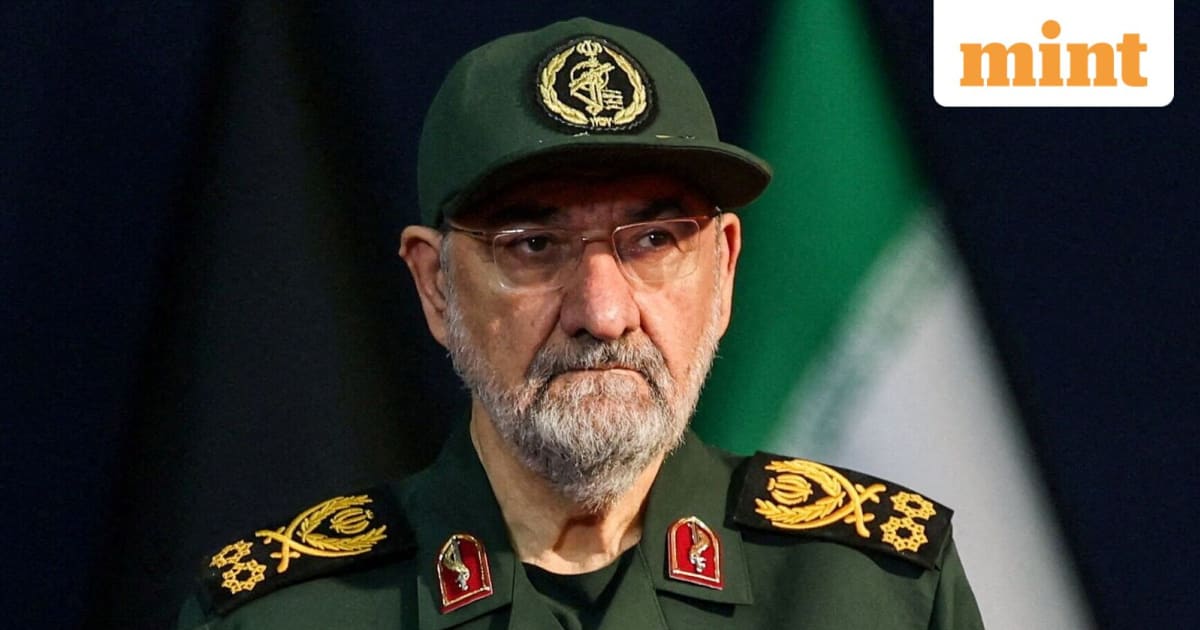
Geopolitical tremors from the Middle East are sending shockwaves through global oil markets, directly threatening India's economic stability. Our deep dive analyzes how Iran's latest escalations could trigger a crude price surge, widen India's current account deficit, and pressure the rupee. Discover which Indian stocks are poised to win or lose, and equip yourself with an actionable investment strategy.
Iran's Oil Route Threats: A Looming Crude Shock for India's Economy and Stock Market
The Strait of Hormuz, a narrow chokepoint through which approximately one-fifth of the world's total petroleum liquids consumption flows, once again finds itself at the epicenter of geopolitical brinkmanship. Iran's recent warnings to regional neighbors against participating in an 'economic war' and explicit threats to disrupt oil routes are not mere rhetoric; they represent a tangible escalation that directly imperils global energy security. For India, the world's third-largest oil importer, this geopolitical tremor translates into a significant economic and market vulnerability, demanding immediate attention from investors and policymakers alike. The implications stretch far beyond the oil barrel, touching inflation, currency stability, corporate earnings, and ultimately, the trajectory of the Nifty 50 and broader Indian equity markets.
What Happened: Unpacking the Geopolitical Powder Keg
The current flashpoint stems from a confluence of factors: heightened US sanctions aimed at crippling Iran's oil exports, a retaliatory stance from Tehran, and a broader regional power struggle. Iran, feeling the squeeze of economic pressure, has signaled its willingness to weaponize its strategic geographic position. The threat to oil routes, particularly the Strait of Hormuz, is a direct response, designed to inflict economic pain on its adversaries and force a re-evaluation of current policies. This is not the first time such threats have emerged, but the current context—characterized by elevated global inflation, a fragile post-pandemic recovery, and ongoing supply chain disruptions—amplifies its potential impact. The 'why now' is critical: Iran's domestic economic pressures are mounting, creating an imperative for a strong external response, even if it risks further escalation.
The immediate consequence of such threats is a risk premium embedded into crude oil prices. Even without an actual disruption, the mere *possibility* of one sends jitters through commodity markets. For India, which imports over 85% of its crude oil requirements, this directly translates to a higher import bill. Every $10 increase in crude oil prices per barrel is estimated to widen India's current account deficit by approximately $15 billion annually, and add roughly 0.3-0.4 percentage points to headline inflation. With global benchmark Brent crude already trading in a volatile range, further escalation could easily push prices significantly higher, potentially towards $100-$110 per barrel or even beyond, depending on the severity and duration of the perceived threat. This economic strain directly impacts the Reserve Bank of India's (RBI) monetary policy decisions, potentially limiting its room for interest rate cuts or even necessitating hikes to combat imported inflation, thereby dampening domestic growth prospects.
Deep Market Impact Analysis: Connecting Geopolitics to India's Stock Market
The Indian stock market's sensitivity to crude oil prices is well-documented. Historically, periods of sharp crude price increases have correlated with increased volatility, rupee depreciation, and a shift in sector leadership. For instance, during the 2022 crude surge following the Russia-Ukraine conflict, the Nifty 50 experienced a drawdown of over 10% in a matter of weeks, while the Indian Rupee (INR) depreciated significantly against the US Dollar, breaching the 80-mark for the first time. This historical parallel serves as a stark reminder of the potential market reaction to a similar, or even more severe, energy shock.
Sector-Level Breakdown:
- Energy Producers (Winners): Upstream oil and gas exploration and production (E&P) companies stand to benefit directly from higher crude prices. Their revenues and profitability are highly correlated with international oil benchmarks. However, the gains may be partially offset by government windfall taxes if prices surge excessively.
- Oil Marketing Companies (OMCs - Mixed Impact): Companies like Indian Oil Corporation (IOC), Bharat Petroleum Corporation (BPCL), and Hindustan Petroleum Corporation (HPCL) face a complex scenario. While higher crude prices mean higher input costs, their ability to pass on these costs to consumers is often regulated by the government, especially for retail fuel. This can lead to marketing losses, impacting their refining margins and overall profitability. Conversely, inventory gains can provide a temporary boost if crude prices rise sharply after they've stocked up at lower levels.
- Airlines & Logistics (Losers): Fuel costs are a dominant component of operating expenses for airlines (e.g., Indigo, SpiceJet) and logistics companies. A sustained rise in crude prices will directly erode their profit margins, potentially leading to fare hikes that dampen demand.
- Consumer Discretionary (Losers): Higher inflation due to elevated crude prices reduces disposable income for consumers, impacting demand for non-essential goods and services. Companies in sectors like automobiles, retail, and consumer durables could see a slowdown in sales growth and margin pressure.
- Defence Sector (Potential Winners): Increased geopolitical instability often leads to higher defence spending globally. While direct Indian beneficiaries might be limited to state-owned entities, the broader sentiment could favor defence contractors and suppliers.
- Gold (Safe Haven): In times of economic uncertainty and geopolitical risk, gold traditionally acts as a safe-haven asset. Investors seeking to preserve capital often flock to gold, driving up its price.
- Shipping Companies (Mixed Impact): Certain segments of the shipping industry, particularly those involved in crude oil tankers, might see increased demand and freight rates due to longer routes or perceived scarcity. However, bunker fuel costs, a significant operational expense, would also rise.
How Will Rising Crude Prices Affect Specific Indian Stocks?
Understanding the nuanced impact on individual Indian equities is crucial for crafting a resilient portfolio. Here's a look at key NSE/BSE listed companies:
- Oil and Natural Gas Corporation (ONGC) (NSE: ONGC): As India's largest crude oil and natural gas producer, ONGC is a direct beneficiary of rising crude prices. For every $1 increase in crude oil prices, ONGC's standalone net realization typically sees a boost, directly impacting its topline and bottom line. With a market capitalization exceeding ₹2.7 trillion and a trailing P/E ratio often below the industry average, ONGC represents a relatively direct play on crude price appreciation, assuming government policies on windfall taxes remain predictable. Its Q3 FY24 revenue stood at ₹34,736 crore.
- Oil India Ltd (NSE: OIL): Similar to ONGC, Oil India is an upstream E&P company. It stands to gain from higher crude prices, directly impacting its revenue and profitability. OIL's smaller scale compared to ONGC means its stock can sometimes exhibit higher volatility in response to crude price swings. Its recent financial performance showed a net profit of ₹1,647 crore in Q3 FY24.
- Indian Oil Corporation (NSE: IOC), Bharat Petroleum Corporation (NSE: BPCL), Hindustan Petroleum Corporation (NSE: HPCL): These state-owned Oil Marketing Companies (OMCs) face a double-edged sword. While they benefit from inventory gains when crude prices rise after they've procured inventory, sustained high crude prices without commensurate retail price hikes can lead to marketing losses. Their refining margins (GRMs) are also influenced by crude prices and product cracks. For instance, BPCL's Q3 FY24 net profit was ₹3,181 crore, but this can swing dramatically based on the pricing environment. Investors should watch their marketing margins closely.
- GAIL (India) Ltd (NSE: GAIL): Primarily a gas transmission and marketing company, GAIL's fortunes are more tied to natural gas prices and pipeline tariffs. However, as an integrated energy player, it can experience secondary impacts from crude price volatility affecting the broader energy complex. Its petrochemical segment, for example, uses crude derivatives as feedstock, making it sensitive to price changes. GAIL's Q3 FY24 net profit stood at ₹2,843 crore.
- InterGlobe Aviation Ltd (Indigo) (NSE: INDIGO): As India's largest airline, Indigo is highly susceptible to aviation turbine fuel (ATF) price increases, which are directly linked to crude oil. Fuel costs typically constitute 35-40% of an airline's operating expenses. A sustained surge in crude prices will severely pressure Indigo's profitability, potentially forcing fare hikes that could impact passenger demand. Its Q3 FY24 net profit was ₹2,998 crore, but this could quickly reverse under adverse fuel conditions.
Expert Perspective: Bulls vs. Bears on Crude & India
The market is rarely monolithic, and the crude oil narrative is no exception. Bears on the Indian market, eyeing the geopolitical risks, emphasize the vulnerability of India's current account deficit and the inflationary spiral. They would argue that the RBI's hawkish stance might be prolonged, stifling economic growth and corporate earnings. Their playbook would involve de-risking portfolios, increasing allocation to cash or international assets, and shorting sectors with high energy intensity or consumer discretionary exposure. They might point to historical instances where crude shocks led to prolonged bear markets in India.
Conversely, the bulls might offer a more nuanced view. They would acknowledge the immediate headwinds but argue for India's underlying economic resilience and growth drivers. They might suggest that the government could intervene with strategic petroleum reserves releases or fiscal measures to cushion the blow. Furthermore, they might highlight that India's domestic demand story remains robust, and that corporate India has shown adaptability in managing input costs. They might also argue that any dips caused by crude price shocks present opportune buying points for fundamentally strong companies, especially those with pricing power. Some might even point to the potential for a 'super cycle' in commodities, suggesting that energy producers could see sustained gains.
A contrarian perspective might also consider the possibility of a diplomatic resolution, or that the threats remain just that – threats – without actual disruption. In such a scenario, the risk premium could dissipate quickly, leading to a swift reversal in crude prices and a relief rally in the broader market.
Actionable Investor Playbook: Navigating the Geopolitical Crosscurrents
Given the high impact and bearish sentiment surrounding Iran's oil route threats, a proactive and defensive investment strategy is prudent for Indian equity investors. The time horizon for these actions could range from short-term tactical plays (weeks to a few months) to medium-term portfolio adjustments (3-6 months), depending on the evolving geopolitical landscape.
- Buy/Accumulate:
- Upstream Oil & Gas Producers: Consider ONGC and Oil India on dips. These are direct beneficiaries of higher crude prices. Look for entry points when the initial panic subsides but geopolitical tensions persist.
- Gold ETFs/Physical Gold: Allocate a portion of your portfolio to gold as a traditional safe-haven asset. This acts as a hedge against geopolitical uncertainty and currency depreciation.
- Defence Sector Stocks: While less directly correlated, increased global instability can boost the sentiment around defence manufacturing and procurement. Consider companies like Hindustan Aeronautics Ltd (HAL) or Bharat Electronics Ltd (BEL) for long-term allocation.
- Reduce/Avoid:
- Airlines & Logistics: Companies like InterGlobe Aviation (Indigo) will face severe margin pressure. Avoid fresh investments and consider reducing exposure.
- Consumer Discretionary: Sectors like automobiles, consumer durables, and non-essential retail will be hit by inflation and reduced consumer spending. Exercise caution.
- High-Debt Companies: Rising interest rates, potentially driven by inflation, will increase borrowing costs for highly leveraged companies.
- Watch Closely:
- Oil Marketing Companies (OMCs): IOC, BPCL, HPCL are highly sensitive to government policy on fuel pricing. Watch for any indications of government intervention or deregulation that could impact their marketing margins.
- Currency Movements (INR/USD): A significant depreciation of the rupee will exacerbate imported inflation and impact companies with large foreign currency debt or import bills.
- Interest Rate Decisions: The RBI's monetary policy committee meetings will be critical in gauging the central bank's response to inflation.
Risk Matrix: Assessing the Probability of Escalation
Understanding the risks is paramount. Here's a breakdown of potential scenarios and their assessed probabilities:
- Significant Supply Disruption (High Probability - Medium Impact): Accidental or intentional minor disruptions (e.g., brief closure of a shipping lane, isolated attacks on tankers) are highly probable if tensions remain elevated. This could drive crude prices up by $10-$20 per barrel for a temporary period.
- Full-Scale Conflict & Prolonged Supply Shock (Medium Probability - Very High Impact): A direct military confrontation leading to a sustained closure of the Strait of Hormuz or major damage to oil infrastructure is less probable but would have catastrophic consequences for global oil supply, potentially pushing crude prices well above $120-$150 per barrel, triggering a global recession.
- Rupee Depreciation Beyond 85/USD (High Probability - High Impact): Even without a full-scale conflict, sustained high crude prices and capital outflows (due to risk aversion) could easily push the INR beyond 85 against the USD, exacerbating imported inflation and increasing foreign debt servicing costs.
- Government Intervention (High Probability - Mixed Impact): The Indian government might intervene with excise duty cuts on fuel or provide subsidies to OMCs. While this could cushion the blow for consumers and OMCs, it would strain fiscal finances. Probability is high, but the extent and timing are uncertain.
What to Watch Next: Catalysts and Key Dates
The geopolitical chessboard is dynamic, and investors must monitor several key indicators and events:
- Statements from US, Iran, and Regional Powers: Any diplomatic overtures, escalatory rhetoric, or military maneuvers will be critical signals.
- OPEC+ Meetings: Decisions by the Organization of the Petroleum Exporting Countries and its allies on production quotas can significantly influence supply dynamics.
- Weekly EIA & API Crude Inventory Reports: These reports provide real-time data on US oil stockpiles, which can influence short-term crude price movements.
- RBI Monetary Policy Meetings: The central bank's stance on interest rates and inflation will directly impact market sentiment and economic growth.
- India's WPI & CPI Inflation Data: These monthly releases will show the actual impact of crude prices on domestic inflation.
- Corporate Earnings Releases: Upcoming quarterly results from energy companies, airlines, and consumer discretionary firms will reveal the initial financial impact of the current environment.
- Shipping Insurance Premiums: A significant increase in insurance premiums for vessels traversing the Strait of Hormuz would indicate a heightened perception of risk by the industry.
The current geopolitical landscape demands vigilance. While the immediate focus is on the Strait of Hormuz, the broader economic war and its implications for global trade and energy security will continue to shape investment decisions in the coming months. Proactive portfolio adjustments, focusing on resilience and hedging strategies, will be key to navigating these turbulent waters for Indian equity investors.
See ONGC's AI Score
Our algorithmic screener scores ONGC on fundamentals, momentum, and risk — free to try, no card needed.
Try the AI Screener →Have questions about this story?
Ask Welth, our finance-focused AI research assistant, for a deeper breakdown — free trial included.
Chat with Welth AI →Disclaimer: This content is generated by WelthWest Research Desk based on publicly available reports and is for informational purposes only. It does not constitute financial advice, investment recommendations, or an offer to buy or sell securities. Always consult a qualified financial advisor before making investment decisions.
