Key Takeaway
Escalating Middle East tensions and surging oil prices pose a significant threat to India's economic stability, potentially widening the current account deficit and pressuring the Rupee. Investors must recalibrate portfolios to navigate increased inflation and a hawkish Reserve Bank of India (RBI).
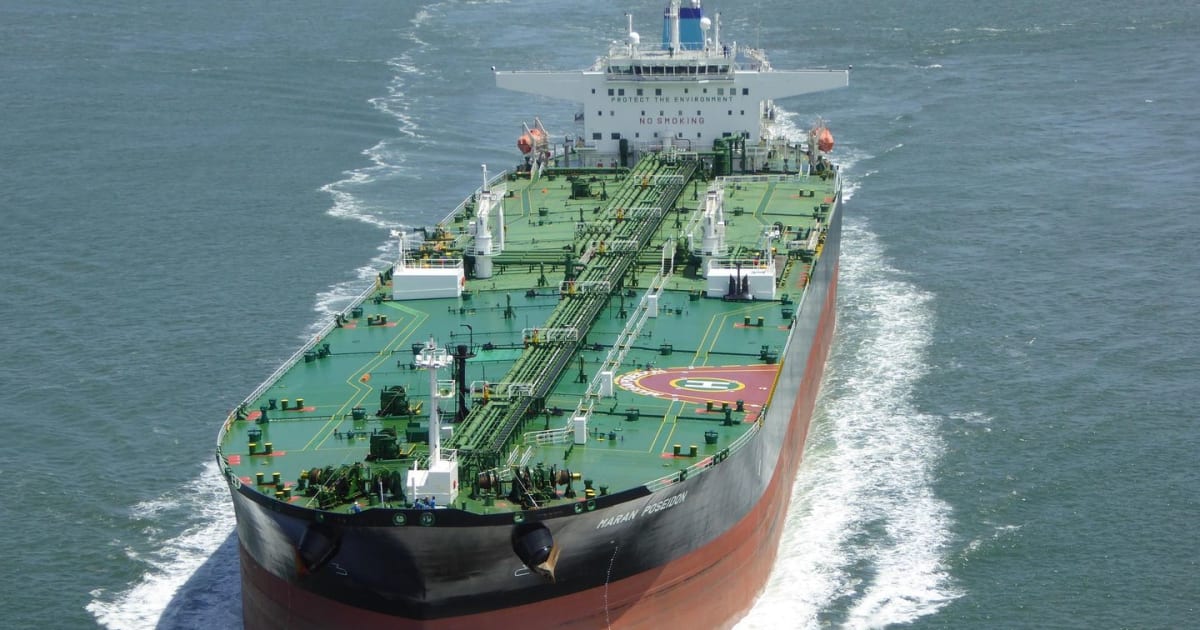
The recent escalation of geopolitical tensions involving Iranian tanker attacks has triggered a sharp rise in global oil prices, casting a long shadow over the Indian economy and its equity markets. This surge directly impacts India's import bill, potentially weakening the Rupee and fueling inflation, forcing the RBI into a difficult policy stance. Investors are now scrutinizing sectors for resilience and opportunities amidst this turbulent environment.
Iran Oil Shockwaves: How Middle East Tensions Are Reshaping India's Market Landscape
The delicate balance of global energy markets has been violently disrupted by recent geopolitical skirmishes in the Middle East, specifically involving attacks on Iranian oil tankers. This event has not merely sent crude oil prices spiraling upwards but has also triggered a palpable sense of unease across global financial assets, with risk-sensitive cryptocurrencies like Bitcoin experiencing a notable dip. For India, a nation heavily reliant on energy imports, this development is far more than a transient market blip; it represents a potent cocktail of economic vulnerabilities and a significant recalibration challenge for its equity markets.
Why This Middle East Flare-Up Matters for India, NOW
India's economic narrative is intrinsically linked to its energy security. The nation imports approximately 85% of its crude oil, making it exceptionally susceptible to fluctuations in global oil prices. The current spike, driven by heightened tensions in a critical oil-producing region, directly translates into a ballooning import bill. This widening gap between imports and exports, known as the current account deficit (CAD), exerts downward pressure on the Indian Rupee (INR). A weaker Rupee not only makes imports more expensive, further exacerbating inflation, but also increases the cost of servicing external debt for Indian corporations.
Furthermore, sustained high oil prices act as a significant inflationary catalyst. The Reserve Bank of India (RBI) finds itself in a precarious position. While a global economic slowdown might typically warrant a dovish monetary policy, the immediate threat of imported inflation necessitates a hawkish stance. This means the prospect of interest rate cuts, eagerly anticipated by rate-sensitive sectors, could be significantly delayed or even reversed. The interplay between rising energy costs, inflationary pressures, and potential central bank tightening creates a complex and bearish sentiment for the broader Indian market.
The ripple effect extends to investor sentiment. In times of heightened global uncertainty and a flight to safety, foreign institutional investors (FIIs) often reallocate capital away from emerging markets, which are perceived as riskier, towards developed economies. The dip in Bitcoin, often seen as a barometer for risk appetite, underscores this global risk-off sentiment. A sustained outflow of FII capital can significantly impact liquidity and valuations in the Indian stock market, particularly for growth-oriented companies.
Deep Market Impact Analysis: Connecting the Dots to Indian Equities
The ramifications of elevated oil prices and geopolitical instability are multifaceted for the Indian equity landscape. The immediate impact is felt across sectors directly exposed to energy costs. Companies operating in logistics, aviation, chemicals, and automobiles, all of which have a significant component of fuel expenses in their operational costs, are likely to see their profit margins squeezed. This could lead to downward revisions in earnings estimates and, consequently, stock price corrections.
The energy sector itself presents a bifurcated picture. While upstream exploration and production (E&P) companies stand to benefit from higher crude oil prices as their revenues are directly linked to the commodity's value, downstream entities like Oil Marketing Companies (OMCs) face margin compression. OMCs, which sell refined products like petrol and diesel, often operate on regulated or semi-regulated margins. When crude oil prices rise sharply, they may be compelled to absorb some of the cost increase to avoid passing on the full burden to consumers, thereby impacting their profitability. Conversely, companies involved in oil and gas exploration, such as ONGC and Oil India, are poised to see enhanced revenue and profitability.
Historically, periods of sustained high oil prices have correlated with increased inflation and dampened economic growth in India. For instance, during the oil price shock of 2022, the Nifty 50 experienced significant volatility, with sectors heavily reliant on discretionary spending and imports facing considerable headwinds. The current scenario, while perhaps not yet at the peak intensity of 2022, carries similar undertones of economic pressure and policy uncertainty.
The IT sector, a darling of FII investment and a key driver of India's market performance, is also indirectly vulnerable. A prolonged period of risk-off sentiment and potential FII outflows can disproportionately affect technology stocks, which are often valued on future growth prospects and are susceptible to shifts in global liquidity. While the underlying demand for IT services remains robust, a tightening liquidity environment could temper valuations.
How Will RBI Rate Decisions Affect Indian Stocks Amidst Rising Oil Prices?
The Reserve Bank of India's monetary policy decisions will be a critical determinant of market direction. If inflation remains persistently high due to oil price shocks, the RBI's room to maneuver on interest rates will be severely constrained. This could mean a delay in expected rate cuts, which would be a negative for interest-rate sensitive sectors like real estate, automobiles, and capital goods. Companies with high debt levels would also find it more expensive to service their obligations, potentially impacting their profitability and stock prices. Conversely, a more hawkish stance by the RBI could provide some stability to the Rupee, but at the cost of slower economic growth. Investors need to closely monitor the RBI's commentary and inflation data to gauge the trajectory of monetary policy.
Stock-by-Stock Breakdown: Navigating the Winners and Losers
The current geopolitical climate creates distinct winners and losers within the Indian equity market. Investors should carefully consider these sector-specific impacts when constructing their portfolios.
- Oil & Gas Exploration (Upstream): Companies like Oil and Natural Gas Corporation (ONGC) and Oil India Ltd are direct beneficiaries. With crude oil prices potentially trading higher for an extended period, their revenue and profit margins are set to expand. ONGC, with a market capitalization of approximately ₹3.5 lakh crore and a trailing P/E ratio of around 10x, offers exposure to India's domestic energy production. Oil India, though smaller, also benefits from the same price dynamics.
- Oil Marketing Companies (OMCs): Conversely, public sector undertakings such as Bharat Petroleum Corporation Ltd (BPCL), Indian Oil Corporation Ltd (IOCL), and Hindustan Petroleum Corporation Ltd (HPCL) face margin pressure. While they benefit from higher crude oil prices in terms of inventory valuation, their ability to pass on these costs to consumers is often limited by government policy or competitive pressures. Their profitability could be significantly impacted if crude prices remain elevated for a sustained period. For example, IOCL, with a market cap of over ₹1.2 lakh crore and a P/E of around 8x, operates in a segment where price volatility is a constant challenge.
- Aviation Sector: Airlines like InterGlobe Aviation (IndiGo) and SpiceJet are highly sensitive to aviation turbine fuel (ATF) prices, which are closely correlated with crude oil. A surge in ATF costs directly impacts their operating expenses, potentially leading to reduced profitability or even losses. IndiGo, India's largest airline, with a market cap exceeding ₹1 lakh crore and a P/E of approx. 25x (historically volatile), is particularly exposed to these rising fuel costs.
- Automobiles: The automotive sector, encompassing manufacturers like Maruti Suzuki India and Tata Motors, faces a double whammy. Higher fuel prices can dampen consumer demand for vehicles, especially in the entry-level and mid-segment categories. Additionally, rising input costs, including those for petrochemical derivatives used in manufacturing, can also impact margins. Maruti Suzuki, India's largest carmaker (market cap ~₹3.5 lakh crore, P/E ~30x), relies heavily on consumer sentiment, which can be negatively affected by inflationary pressures.
- Information Technology (IT): While the Indian IT sector's fundamental business remains strong, its valuation is often linked to global liquidity and investor risk appetite. In a risk-off environment, FIIs may reduce their exposure to emerging market equities, including IT stocks like Infosys and Tata Consultancy Services (TCS). This could lead to a temporary de-rating of these stocks, even if their revenue growth remains robust. TCS, with a market cap of over ₹14 lakh crore and a P/E of around 28x, is a bellwether for the sector's performance and FII sentiment.
Expert Perspectives: Bulls vs. Bears on the Geopolitical Oil Shock
The current market environment invites contrasting viewpoints. Bulls might argue that the geopolitical tensions, while concerning, are localized and unlikely to lead to a sustained, large-scale supply disruption. They would point to the resilience of the Indian economy, the government's proactive measures to manage inflation, and the potential for diplomatic resolutions. Furthermore, they might highlight that strong corporate earnings in certain sectors, coupled with attractive valuations after recent corrections, present buying opportunities. For instance, they might suggest that the dip in IT stocks is an overreaction and offers a chance to accumulate quality assets at a discount.
Bears, on the other hand, would emphasize the immediate and tangible economic consequences of sustained high oil prices. They would highlight the potential for a widening CAD, a depreciating Rupee, and persistent inflationary pressures, all of which could force the RBI into a prolonged hawkish stance. This, in turn, could stifle economic growth and lead to significant earnings downgrades across various sectors. The risk of further escalation in the Middle East, they would argue, is a material threat that cannot be ignored, potentially triggering substantial FII outflows and a broader market sell-off. They might point to the fact that even a moderate increase in oil prices can have a cascading effect on consumer spending and corporate profitability, making it difficult for the market to rebound quickly.
Actionable Investor Playbook: Navigating the Oil Volatility
In this volatile environment, a prudent investment strategy involves a focus on resilience, defensive positioning, and selective opportunities.
- Buy: Consider increasing exposure to Oil & Gas Exploration (Upstream) companies like ONGC and Oil India. Their earnings are directly correlated with oil prices, offering a hedge against inflation. Also, look at select Defence stocks, which often benefit from increased geopolitical tensions and government spending on security.
- Sell/Reduce Exposure: Trim positions in highly fuel-dependent sectors like Aviation (e.g., IndiGo) and companies with significant logistics costs. Be cautious with Automobile stocks, especially those focused on entry-level segments, as discretionary spending may decline. Consider reducing exposure to highly valued IT stocks if the risk-off sentiment intensifies, given their sensitivity to FII flows.
- Watch: Monitor Oil Marketing Companies (OMCs) like BPCL, IOCL, and HPCL. While currently under pressure, any signs of improved margin management or government support could present a contrarian buying opportunity at lower valuations. Keep a close eye on the Chemicals sector, which, while facing input cost pressures, may also benefit from supply chain realignments if global disruptions persist.
- Entry Points & Time Horizons: For upstream oil and gas stocks, consider accumulating on any dips, with a medium-to-long-term horizon (1-3 years), expecting sustained higher oil prices. For defensive plays, a shorter-to-medium term horizon (6-18 months) might be appropriate. Be patient with rate-sensitive sectors; wait for clearer signals on inflation and RBI policy before increasing exposure.
Risk Matrix: Gauging the Potential Pitfalls
The current situation is fraught with risks that investors must actively manage:
- Risk 1: Sustained Middle East Escalation (Probability: Medium-High): Further attacks or a broader regional conflict could lead to prolonged supply disruptions and sustained spikes in oil prices well above current levels. This would severely impact India's CAD, Rupee, and inflation, potentially forcing aggressive monetary tightening.
- Risk 2: Persistent Inflationary Pressures (Probability: High): Even without further escalation, the current price levels, combined with domestic factors, could keep inflation elevated, forcing the RBI to maintain a hawkish stance for an extended period, hindering economic recovery.
- Risk 3: Significant FII Outflows (Probability: Medium): A prolonged global risk-off sentiment could trigger substantial capital flight from emerging markets like India, leading to sharp corrections in equity valuations and liquidity crunches.
- Risk 4: Geopolitical Spillover to Other Commodities (Probability: Low-Medium): While the focus is on oil, a wider conflict could impact other key commodities, further complicating supply chains and inflationary dynamics.
What to Watch Next: Key Catalysts and Data Points
Investors should closely monitor several key developments:
- Crude Oil Price Movements: Daily fluctuations and sustained trends in Brent and WTI crude prices are paramount.
- RBI Monetary Policy Statements: Any commentary on inflation, growth, and future rate actions will be critical. The next scheduled monetary policy review is a key date.
- Indian Rupee vs. USD: The INR's trajectory against the US Dollar will indicate the pressure on the current account deficit and imported inflation.
- Inflation Data (CPI & WPI): Upcoming inflation figures will be heavily scrutinized for their persistence and drivers.
- FII Investment Flows: Daily and weekly data on foreign institutional investor activity in Indian equities will signal shifts in global risk appetite.
- Corporate Earnings Reports: Upcoming quarterly earnings will reveal the extent to which companies have been impacted by rising costs and potential demand slowdowns.
By staying informed and agile, investors can better navigate the complexities arising from the current geopolitical oil shock and position their portfolios for resilience and potential growth in the Indian market.
See ONGC's AI Score
Our algorithmic screener scores ONGC on fundamentals, momentum, and risk — free to try, no card needed.
Try the AI Screener →Have questions about this story?
Ask Welth, our finance-focused AI research assistant, for a deeper breakdown — free trial included.
Chat with Welth AI →Disclaimer: This content is generated by WelthWest Research Desk based on publicly available reports and is for informational purposes only. It does not constitute financial advice, investment recommendations, or an offer to buy or sell securities. Always consult a qualified financial advisor before making investment decisions.