Key Takeaway
The White House's rejection of Iran peace deal reports signals sustained geopolitical uncertainty, potentially driving crude oil prices higher and pressuring India's inflation and trade deficit. Investors must recalibrate portfolios for a volatile energy landscape.
Contrary to earlier optimism, the US has officially denied reports of an Iran peace deal. This abrupt U-turn injects renewed volatility into global energy markets, posing significant challenges for India's economy. Our deep dive analyzes the cascading effects on oil prices, inflation, and specific Indian stock market sectors.
Iran Peace Deal Denied: India Stocks Brace for Oil Shock
The fragile optimism surrounding a potential de-escalation in Middle East tensions has been sharply deflated. Reports of a breakthrough in Iran peace talks, which had briefly buoyed global markets, were officially refuted by the United States. This abrupt denial has reintroduced a significant layer of geopolitical uncertainty, with immediate implications for global energy prices and, by extension, the Indian economy and its equity markets.
The “so what” for Indian investors is stark: the prospect of sustained higher crude oil prices is back on the table. This directly impacts India’s import bill, widens the trade deficit, and fuels inflationary pressures, creating a challenging macroeconomic environment. Understanding the nuances of this geopolitical pivot is crucial for navigating the upcoming market volatility.
What Happened? The Unraveling of Diplomatic Hopes
Earlier whispers of progress in diplomatic channels involving Iran had sparked a wave of speculative buying across various asset classes, particularly in energy-sensitive equities. The narrative suggested a potential easing of sanctions on Iran, which could lead to a significant increase in global oil supply. Such an influx of supply, coupled with reduced geopolitical risk premiums, would typically translate to lower crude oil prices. For India, a nation heavily reliant on crude oil imports – accounting for approximately 85% of its consumption – this would have been a welcome development, offering respite from the persistent inflationary headwinds and bolstering economic growth prospects.
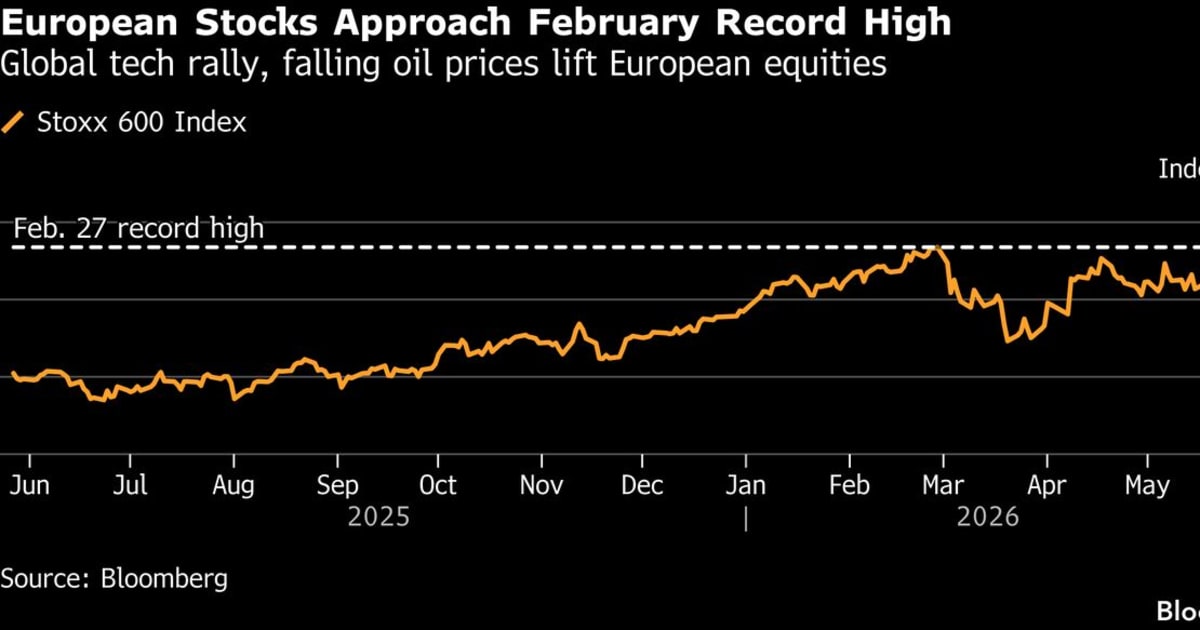
However, the swift and unequivocal denial from a senior US administration official has effectively slammed the door on this optimistic scenario, at least for the immediate future. The White House’s stance underscores the complex and often opaque nature of international diplomacy, particularly concerning the Middle East. This denial doesn't necessarily signify an immediate escalation but rather a reaffirmation of the status quo, where underlying tensions remain unresolved. The market’s reaction, with European and US stocks erasing earlier gains, highlights the sensitivity of investor sentiment to such geopolitical signals.
Deep Market Impact Analysis: How Will This Affect India's Equity Landscape?
The denial of an Iran peace deal has immediate and far-reaching consequences for India’s equity markets, primarily through its impact on crude oil prices. Brent crude, the global benchmark, had shown signs of softening on the back of peace deal hopes. Its immediate reaction to the US denial is likely to be an upward correction, potentially retesting recent highs. Historically, periods of elevated crude oil prices have correlated with underperformance in Indian equities, particularly in sectors sensitive to input costs and consumer spending.
Inflationary Pressures and the RBI's Dilemma: India’s Consumer Price Index (CPI) inflation has been a persistent concern for the Reserve Bank of India (RBI). A sustained surge in crude oil prices directly translates to higher transportation costs, impacting everything from food prices to manufactured goods. This resurgence in inflationary pressures could complicate the RBI’s monetary policy stance, potentially delaying any anticipated rate cuts and prolonging a higher interest rate environment. The Nifty, India’s benchmark equity index, has historically exhibited a negative correlation with rising inflation, as higher borrowing costs and reduced consumer discretionary spending weigh on corporate earnings.
Trade Deficit Widens: India’s current account deficit (CAD) is intrinsically linked to its oil import bill. A higher crude oil price means a larger outflow of foreign exchange, widening the CAD. This can put pressure on the Indian Rupee, making imports more expensive and further exacerbating inflation. A depreciating Rupee also impacts companies with significant foreign currency debt and those reliant on imported raw materials. Last time crude oil prices surged significantly in early 2022, India’s CAD widened considerably, leading to significant pressure on the Rupee.
Sectoral Breakdown: Winners and Losers
- Energy Sector (Global & India): This sector is the most direct beneficiary of sustained geopolitical tensions and higher crude oil prices. Upstream oil and gas exploration and production companies globally are likely to see improved margins. In India, companies like Oil and Natural Gas Corporation (ONGC) and Oil India Limited (OIL) will benefit from higher crude prices, as their revenues are directly linked to global benchmarks. Their profitability improves, and their valuation multiples might expand.
- Aviation Sector: Airlines are highly sensitive to aviation turbine fuel (ATF) prices, which are directly correlated with crude oil. Higher crude prices translate to increased operating costs for airlines, potentially squeezing their profit margins. Companies like InterGlobe Aviation (IndiGo) and SpiceJet could face significant headwinds, leading to stock price corrections.
- Petrochemicals and Refineries: Refiners' margins can be volatile. While higher crude prices might increase their revenue, the cost of crude as a raw material also increases. Companies like Indian Oil Corporation (IOCL), Bharat Petroleum Corporation Limited (BPCL), and Hindustan Petroleum Corporation Limited (HPCL) will need to manage refining margins carefully. Petrochemical companies that use crude derivatives as feedstock will also face higher input costs, potentially impacting their profitability.
- Logistics and Shipping: Companies involved in the transportation of goods, particularly those reliant on sea freight and road transport, will face increased fuel costs. This could impact their profitability and lead to higher freight charges for end consumers. Companies with significant exposure to the Middle East shipping routes might also face increased insurance premiums and operational risks.
- Consumer Discretionary and Auto: As inflation rises due to higher energy costs, consumers' disposable income shrinks. This typically leads to reduced spending on non-essential goods and services, impacting companies in the automotive sector and consumer durables. A prolonged period of high oil prices could dampen demand for vehicles and other discretionary purchases.
Stock-by-Stock Breakdown: Which Indian Equities Will Feel the Heat?
The ripple effect of the denied Iran peace deal will be felt across the Indian stock market, impacting various sectors differently. Here's a closer look at specific NSE/BSE tickers:
- Oil and Natural Gas Corporation (ONGC) [NSE: ONGC]: As India's largest crude oil producer, ONGC's fortunes are directly tied to global oil prices. With a market capitalization of over ₹2.5 lakh crore and a trailing P/E ratio of approximately 8x, the company is well-positioned to benefit from sustained higher crude prices. An increase in Brent crude by $10 per barrel could potentially add billions to ONGC's annual revenue. Its performance is a bellwether for the upstream energy sector.
- Indian Oil Corporation Limited (IOCL) [NSE: IOCL]: This integrated oil refining and marketing major, with a market cap exceeding ₹1.5 lakh crore and a P/E around 7x, will see its revenue potentially boosted by higher crude prices. However, its refining margins will be a critical factor to watch. Increased product demand and pricing power could offset some of the input cost pressures, but sustained high crude could squeeze its net profit.
- InterGlobe Aviation Ltd. (IndiGo) [NSE: INDIGO]: As the dominant player in India's aviation sector, IndiGo, with a market cap of over ₹80,000 crore and a P/E of around 45x (reflecting growth expectations but also sensitivity to costs), is highly vulnerable to rising Aviation Turbine Fuel (ATF) prices. A sustained increase in crude oil prices will directly impact its cost structure, potentially leading to margin compression and a downward revision in earnings estimates, impacting its stock price.
- Bharat Petroleum Corporation Limited (BPCL) [NSE: BPCL]: Similar to IOCL, BPCL (market cap ~₹60,000 crore, P/E ~6x) is a major refiner and fuel retailer. Higher crude prices will increase its revenue base, but its profitability hinges on its refining margins and its ability to pass on increased fuel costs to consumers. The government’s stance on fuel price deregulation will be a crucial determinant of its near-term performance.
- Container Corporation of India Ltd. (CONCOR) [NSE: CONCOR]: While not directly an energy company, CONCOR (market cap ~₹40,000 crore, P/E ~35x) operates in the logistics sector. Increased fuel costs for its trucking and rail operations will directly impact its operating expenses. If freight rates cannot be fully passed on, this could lead to reduced profitability and put downward pressure on its stock price.
- MRF Limited [NSE: MRF]: This tire manufacturer, with a market cap of over ₹30,000 crore and a P/E ratio of approximately 50x, is indirectly impacted. Natural rubber prices are a significant input cost, but crude oil derivatives are also used in tire production. Higher crude prices can lead to increased input costs for MRF, potentially affecting its margins if it cannot fully pass these on to consumers, particularly in the highly competitive auto ancillary market.
Expert Perspective: Bulls vs. Bears on the Iran Geopolitical Outlook
The market’s reaction to the denial of Iran peace deal reports is likely to be divided, with both bullish and bearish arguments emerging.
Bulls’ Argument: Proponents of a bullish view might argue that the denial is a temporary setback, and diplomatic efforts will continue behind the scenes. They might point to the underlying economic fundamentals of India, such as strong domestic demand and government reforms, which remain intact. Furthermore, they could emphasize that the market has already priced in a certain level of geopolitical risk, and any sell-off might present a buying opportunity in fundamentally strong companies, especially in the energy sector, which is poised for higher revenues. They might also suggest that the market's reaction is overblown, given that the underlying economic drivers remain robust.
Bears’ Argument: Conversely, bears will highlight the renewed geopolitical uncertainty as a significant overhang. They will focus on the potential for sustained higher crude oil prices, which will inevitably lead to higher inflation, a wider trade deficit, and a tighter monetary policy stance from the RBI. This macroeconomic backdrop, they argue, will weigh heavily on corporate earnings and overall market sentiment, potentially leading to a prolonged period of underperformance for Indian equities, particularly for sectors reliant on stable energy prices and discretionary consumer spending. The risk of misinterpretation of future diplomatic signals also adds to their caution.
Actionable Investor Playbook: Navigating the Volatility
In light of the renewed geopolitical uncertainty and its potential impact on energy prices and inflation, investors should adopt a cautious yet strategic approach. The following actions are recommended:
- Overweight Energy Stocks: Given the direct correlation between geopolitical tensions in the Middle East and crude oil prices, energy sector stocks are poised for outperformance. Consider increasing exposure to upstream exploration and production companies like ONGC and Oil India. Their revenue and profitability are directly linked to higher oil prices.
- Reduce Exposure to Aviation and High-Fuel-Cost Sectors: Airlines like IndiGo and SpiceJet, and logistics companies heavily reliant on fuel, will face margin pressures. Consider reducing holdings or adopting a more defensive stance in these sectors.
- Focus on Domestic Demand-Driven Sectors: Sectors less sensitive to global commodity prices and with strong domestic demand drivers, such as select FMCG (Fast-Moving Consumer Goods) companies and certain IT services firms with global contracts that can hedge currency fluctuations, might offer relative stability.
- Hedge Against Inflation: For a diversified portfolio, consider assets that historically perform well during inflationary periods, such as gold. While not a direct stock recommendation, a small allocation to gold ETFs can provide a hedge.
- Monitor Inflation and RBI Commentary: Closely watch India's CPI data and the RBI's statements for any indication of a shift in monetary policy. Any hawkish commentary or delayed rate cuts will be a negative signal for the broader market.
- Entry Points for Energy Stocks: For energy stocks, consider accumulating on dips. A target entry point for ONGC could be in the ₹220-₹230 range, while for IOCL, the ₹160-₹170 range might be attractive, assuming current market conditions persist. The time horizon for these investments should be medium to long-term (6-18 months) to capitalize on sustained energy price trends.
Risk Matrix: Quantifying the Potential Downsides
The geopolitical situation is dynamic, and several risks could further impact market sentiment and energy prices:
- Probability: High (60-70%) - Renewed Escalation in the Middle East: The most significant risk is an actual military escalation or a direct confrontation involving Iran. This would lead to a sharp, immediate spike in oil prices, potentially exceeding $100 per barrel, and trigger a broader market sell-off.
- Probability: Medium (40-50%) - Misinterpretation of Diplomatic Signals: Future diplomatic overtures or statements could be misconstrued by the market, leading to periods of heightened volatility as investors react to incomplete or ambiguous information.
- Probability: Medium (30-40%) - Sustained High Inflation Impacting Consumer Spending: If elevated oil prices lead to persistent high inflation in India, it could severely curb consumer discretionary spending, negatively impacting a broad range of companies beyond just the direct energy beneficiaries.
What to Watch Next: Upcoming Catalysts
Investors should keenly observe the following developments in the coming weeks:
- US-Iran Diplomatic Channels: Any further statements or actions from the US and Iran regarding their bilateral relations and the nuclear program will be critical.
- OPEC+ Meetings: Decisions by the Organization of the Petroleum Exporting Countries and its allies (OPEC+) on production quotas will significantly influence global oil supply and prices.
- India's CPI and WPI Data: Upcoming inflation figures will reveal the extent to which higher energy costs are feeding into the broader economy and will guide the RBI's policy decisions.
- Corporate Earnings Season: The upcoming earnings reports from energy companies and their downstream counterparts will provide real-time insights into the impact of crude price fluctuations on their financial performance.
The denial of the Iran peace deal is a potent reminder of the interconnectedness of global geopolitics and financial markets. For India, it underscores the continued vulnerability of its economy to energy price shocks. A strategic, data-driven approach is paramount for investors seeking to navigate this uncertain terrain.
Run a free AI Stock Screen
Our algorithmic screener scores any NSE/BSE stock on fundamentals, momentum, and risk — free to try, no card needed.
Try the AI Screener →Have questions about this story?
Ask Welth, our finance-focused AI research assistant, for a deeper breakdown — free trial included.
Chat with Welth AI →Disclaimer: This content is generated by WelthWest Research Desk based on publicly available reports and is for informational purposes only. It does not constitute financial advice, investment recommendations, or an offer to buy or sell securities. Always consult a qualified financial advisor before making investment decisions.
