Key Takeaway
Iran’s shift toward crypto-based maritime insurance creates a new shadow-market for crude trade, threatening to decouple oil prices from traditional financial oversight. Investors should prepare for increased volatility in Indian OMCs and aviation margins as geopolitical risk premiums rise.
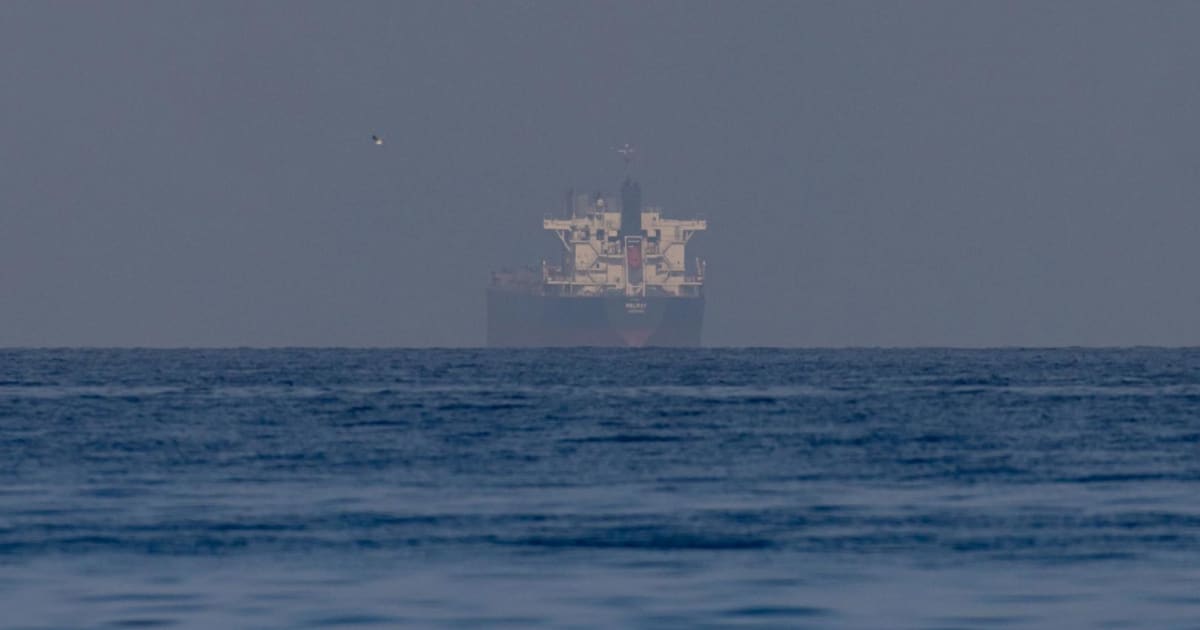
As Iran explores decentralized insurance for tankers in the Strait of Hormuz, the global energy supply chain faces a paradigm shift. This investigative report analyzes the implications for India's energy import costs, the subsequent pressure on OMCs, and the ripple effects across the Nifty energy and aviation sectors.
The Geopolitical Pivot: Why Iran’s Crypto-Insurance Matters
The Strait of Hormuz remains the world’s most critical energy artery, facilitating the transit of approximately 21 million barrels of oil per day. When Tehran signals a move toward Bitcoin-denominated insurance mechanisms for maritime trade, it is not merely a technological experiment; it is a strategic maneuver to circumvent the SWIFT-based financial hegemony that has long constrained Iranian exports. For the Indian investor, this represents a shift from traditional, verifiable insurance premiums to a volatile, decentralized shadow market.
Why does this matter now? With global sanction enforcement tightening, the cost of traditional insurance for tankers operating in high-risk zones has skyrocketed. By utilizing blockchain-based assets, Iran aims to stabilize its export flow. However, this creates a 'dark fleet' dynamic that complicates the risk profile for every oil-importing nation, including India, which sources a significant portion of its crude from the broader Middle Eastern region.
How Will Iran’s Crypto-Insurance Affect Indian Energy Stocks?
The Indian equity market is highly sensitive to the 'Oil-Currency-Inflation' triad. When maritime insurance costs become opaque or tethered to the volatility of Bitcoin, the landed cost of crude oil becomes harder to hedge. Historically, during the 2022 energy crisis, the Nifty Oil & Gas index saw volatility spikes exceeding 15% as Brent crude surged toward $120. A shift toward crypto-insurance introduces a 'geopolitical risk premium' that could force Oil Marketing Companies (OMCs) to absorb costs, compressing their already thin marketing margins.
The Sector-Level Breakdown
- Upstream Players: Companies like ONGC and OIL stand to benefit if the supply chain disruption leads to a spike in global crude prices, as their net realization per barrel increases.
- Downstream/OMCs: IOCL, BPCL, and HPCL are the primary losers. If they cannot pass on the increased insurance-related freight costs to the end consumer due to political pressure, their EBITDA margins will face significant downward revision.
- Aviation: InterGlobe Aviation (IndiGo) is highly vulnerable. Jet fuel (ATF) accounts for roughly 40% of their operational costs. Any instability in the Persian Gulf adds a premium to ATF prices, directly impacting their bottom line.
Stock-by-Stock Analysis: Navigating the Volatility
1. ONGC (BSE: 500312): With a market cap exceeding ₹4 lakh crore, ONGC remains a hedge against rising oil prices. If the Strait of Hormuz faces disruption, ONGC’s domestic production becomes more valuable relative to imported crude. Monitor their 'net realization' metrics closely.
2. IOCL (BSE: 530965): As the largest refiner, IOCL is the most exposed to 'under-recoveries.' If crypto-insurance trends lead to a wider 'shadow-market' discount on crude, IOCL might benefit, but the regulatory uncertainty remains a major overhang on its P/E ratio, currently hovering around 6-8x.
3. InterGlobe Aviation (NSE: INDIGO): Trading at a premium valuation, IndiGo’s sensitivity to ATF costs is absolute. An increase in insurance-linked freight costs for oil tankers will lead to a direct rise in ATF prices, likely impacting their quarterly EPS growth by 3-5% for every 10% rise in crude.
4. BPCL (BSE: 500547): With a strong refining margin, BPCL is better positioned than some peers, but they are equally susceptible to the volatility of the Indian Rupee. Should the oil supply chain face friction, the Rupee often depreciates, increasing the import bill for BPCL.
Expert Perspective: The Bull vs. Bear Case
The divergence in market sentiment is stark. Bulls argue that blockchain technology provides a more efficient, permissionless layer for trade that could actually lower the long-term cost of insurance by cutting out Western intermediaries. Bears, conversely, warn that the lack of regulatory oversight creates a 'black hole' of liability—if a tanker insured via Bitcoin sinks, there is no legal recourse, potentially triggering a massive supply shock that would send crude prices to unsustainable levels.
Actionable Investor Playbook
Investors should adopt a 'Barbell Strategy' to navigate this uncertainty:
- Defensive Positioning: Increase exposure to upstream energy companies (ONGC) that benefit from price volatility.
- Reduce Beta: Trim positions in aviation and logistics stocks that possess high fuel-cost sensitivity until the insurance market stabilizes.
- Watch the Spread: Monitor the spread between Brent and the 'shadow' price of crude. A widening gap indicates increased market stress.
- Time Horizon: This is a medium-term play (6-18 months). Avoid reacting to daily news cycles; focus on quarterly margin reports from OMCs.
Risk Matrix
| Risk Factor | Probability | Impact |
|---|---|---|
| Complete Supply Chain Blockade | Low | High |
| Increased Regulatory Crackdown on Crypto-Insurance | Medium | Medium |
| Sustained Margin Compression for OMCs | High | Medium |
What to Watch Next
The key catalyst to watch is the upcoming meeting of the IMO (International Maritime Organization) regarding digital asset insurance compliance. Additionally, keep a close eye on the weekly crude import data from the Ministry of Petroleum and Natural Gas. Any significant shift in the origin of oil imports—moving away from the Persian Gulf—will be the primary indicator that the 'Bitcoin-insurance' experiment is causing structural shifts in global trade patterns.
See ONGC's AI Score
Our algorithmic screener scores ONGC on fundamentals, momentum, and risk — free to try, no card needed.
Try the AI Screener →Have questions about this story?
Ask Welth, our finance-focused AI research assistant, for a deeper breakdown — free trial included.
Chat with Welth AI →Disclaimer: This content is generated by WelthWest Research Desk based on publicly available reports and is for informational purposes only. It does not constitute financial advice, investment recommendations, or an offer to buy or sell securities. Always consult a qualified financial advisor before making investment decisions.
