Key Takeaway
Escalating US-Iran tensions are driving a dual threat to India: soaring oil prices pinching the import bill and rising global bond yields triggering capital flight. Investors must recalibrate portfolios for this challenging macroeconomic landscape.
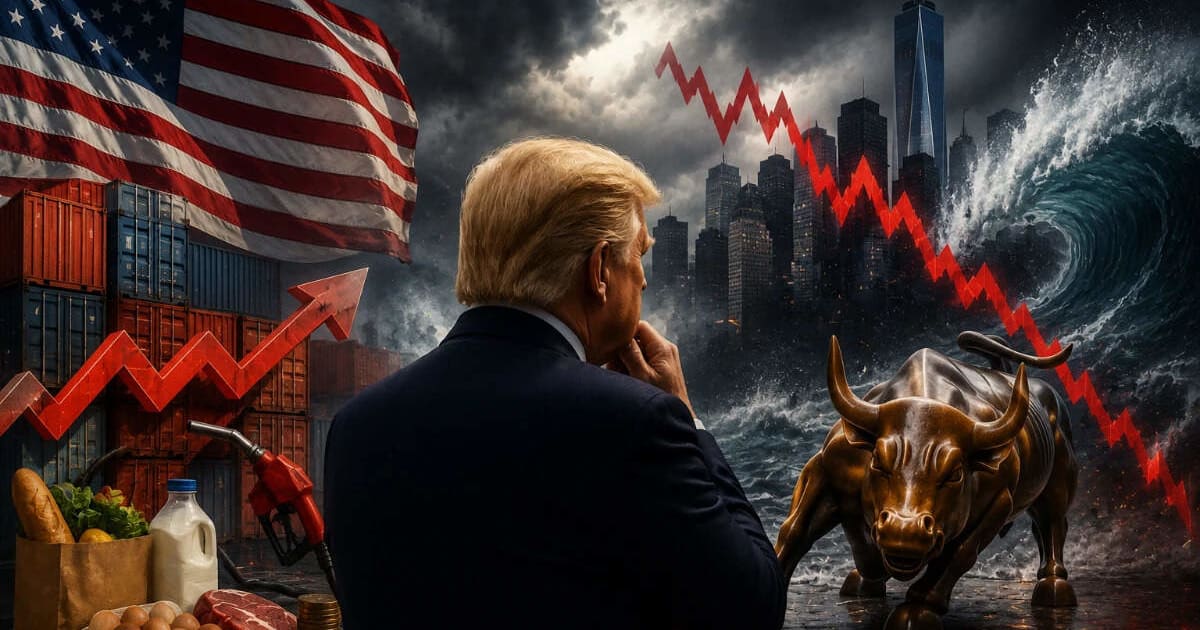
The delicate balance of global geopolitics has been disrupted, with renewed US-Iran friction sending crude oil prices and bond yields sharply higher. This analysis dissects the profound implications for India's economy, from currency depreciation to sector-specific impacts on the NSE and BSE, offering a strategic investor playbook.
Geopolitical Storm Brewing: How US-Iran Tensions Are Reshaping Global Markets and India's Economic Outlook
The intricate dance of international relations has once again taken center stage, with escalating geopolitical tensions between the United States and Iran casting a long shadow over global financial markets. This renewed friction, manifesting in heightened rhetoric and strategic posturing, has immediately translated into a sharp ascent in crude oil prices and a corresponding spike in global bond yields. For investors, particularly those with exposure to emerging markets like India, understanding the cascading effects of this geopolitical shockwave is paramount to navigating the ensuing volatility and preserving capital.
Why This Matters NOW: The Immediate Economic Fallout
The current geopolitical flare-up is not merely a distant headline; its economic consequences are immediate and significant, especially for import-dependent economies such as India. The most direct and palpable impact stems from the surge in crude oil prices. India, reliant on imports for approximately 85% of its crude oil needs, faces a substantial increase in its import bill. A sustained rise in oil prices directly widens the current account deficit, putting immense pressure on the Indian Rupee (INR). As the INR depreciates, the cost of all imported goods, not just oil, rises, fueling inflation and eroding purchasing power. This 'imported inflation' is a critical concern for the Reserve Bank of India (RBI) and can complicate its monetary policy decisions, potentially delaying anticipated interest rate cuts.
Concurrently, the surge in global bond yields, a direct consequence of increased geopolitical risk premium and potential inflation concerns, presents another formidable challenge. Higher yields in developed markets, particularly the US Treasuries, make these 'safer' assets more attractive to global investors. This can trigger significant capital outflows from emerging markets like India, as Foreign Institutional Investors (FIIs) and Foreign Portfolio Investors (FPIs) reallocate their capital towards higher-yielding, less risky sovereign debt. Such outflows not only depress domestic equity valuations but also further strain the INR, creating a vicious cycle of depreciation and capital flight.
The current situation echoes past periods of heightened geopolitical uncertainty, where a spike in oil prices and subsequent market jitters have led to significant corrections in equity markets. For instance, during the initial phases of the Russia-Ukraine conflict in early 2022, Brent crude briefly touched $130 a barrel, coinciding with a period of heightened volatility and declines in Indian benchmarks like the Nifty 50. While the exact trajectory remains uncertain, the underlying economic mechanisms driving market reactions are well-established and demand immediate investor attention.
Deep Market Impact Analysis: Navigating the Crosscurrents on the NSE and BSE
The dual impact of rising oil prices and elevated bond yields creates a complex macroeconomic environment for India. The Indian stock market, represented by indices like the Nifty 50 and the BSE Sensex, is particularly sensitive to these external shocks. A higher import bill due to surging oil prices directly impacts the profitability of numerous Indian companies, particularly those in sectors heavily reliant on energy or those with significant export revenues that are eroded by a weaker rupee.
Historically, periods of sustained high crude oil prices have correlated with underperformance in Indian equities. For example, in the fiscal year 2011-12, when crude oil prices averaged around $110 per barrel, India's current account deficit widened significantly, and the Nifty 50 saw a substantial correction. The current surge, if sustained, could trigger similar pressures. The average crude oil price for FY23 was around $98 per barrel, and a sustained move towards $100-$120 per barrel would necessitate a significant upward revision in inflation forecasts and a reassessment of corporate earnings projections.
The impact of rising global bond yields is equally concerning. As US Treasury yields climb, the 'risk-free' rate increases, making equities appear relatively less attractive. This is particularly true for growth stocks, which derive a larger portion of their valuation from future earnings. Higher discount rates applied to these future cash flows reduce their present value, leading to price corrections. For India, this means potential outflows from FIIs, which have been a significant driver of liquidity and valuations in the Indian market. In 2022, when global yields surged, India experienced considerable FII outflows, contributing to the market's sideways movement. A sustained rise in US 10-year Treasury yields above 4.5%-5% could signal renewed pressure on Indian equities.
Sector-Level Breakdown: Winners and Losers in the Current Climate
The current geopolitical and macroeconomic environment creates clear winners and losers across various sectors listed on the NSE and BSE:
- Energy Sector: This is the most direct beneficiary. Global oil and gas exploration and production (E&P) companies stand to gain significantly from higher crude prices, leading to improved revenue and profit margins. In India, while ONGC (Oil and Natural Gas Corporation) and Oil India Ltd. might see some benefits from higher crude prices, their profitability is also influenced by government subsidies and refining margins. However, upstream exploration companies with greater exposure to global crude price benchmarks are likely to see the most pronounced positive impact.
- Defence Sector: Increased geopolitical instability often translates into higher defense spending globally. Companies involved in manufacturing defense equipment, surveillance systems, and related technologies could witness an uptick in orders and investment. In India, companies like Hindustan Aeronautics Ltd. (HAL) and Bharat Dynamics Ltd. might benefit from increased domestic and potential international defense procurement driven by regional security concerns.
- Healthcare and Consumer Staples: These sectors are traditionally considered 'defensive' during times of market uncertainty. Investors tend to flock to companies offering essential goods and services, which are less susceptible to economic downturns or discretionary spending cuts. Healthcare companies like Apollo Hospitals Enterprise Ltd. and consumer staples providers such as Hindustan Unilever Ltd. often exhibit more stable earnings and cash flows, making them attractive safe-haven assets.
- Airlines and Transportation: This sector faces a direct headwind from rising fuel costs. Airlines, a significant consumer of jet fuel, will see their operating expenses surge, squeezing profit margins. Companies in the logistics and transportation sector, including trucking and shipping firms, will also experience higher operating costs, potentially leading to price hikes for their services or reduced profitability. For instance, a sustained rise in aviation turbine fuel (ATF) prices above ₹100,000 per kiloliter would significantly impact airlines like IndiGo (InterGlobe Aviation) and SpiceJet.
- Technology Stocks: Technology companies, particularly those with high growth expectations and often higher valuations based on future earnings, are vulnerable to rising interest rates and bond yields. As investors shift towards safer, yield-bearing assets, the premium on growth stocks diminishes. Companies like Infosys Ltd. and Tata Consultancy Services (TCS), while strong fundamentally, might face valuation compression as the cost of capital rises and global IT spending could moderate due to economic uncertainty.
- Growth Stocks: Broadly, any company whose valuation is heavily reliant on future growth prospects, rather than current earnings, is susceptible. This includes many new-age tech companies and those in high-growth but capital-intensive industries. They are sensitive to changes in the discount rate used in valuation models.
How Will RBI Rate Cuts Be Affected by Geopolitical Shocks?
The prospect of interest rate cuts by the Reserve Bank of India (RBI) is a key factor influencing the Indian equity market's sentiment. Typically, a stable geopolitical environment and moderating inflation would pave the way for the RBI to ease monetary policy, thereby lowering borrowing costs and stimulating economic activity. However, the current escalation of US-Iran tensions introduces significant inflationary pressures through rising oil prices. If crude oil prices remain elevated, the RBI might be compelled to pause or delay its anticipated rate cuts. This would mean that borrowing costs remain higher for longer, impacting corporate investment and consumer spending. Investors should closely monitor the RBI's commentary and inflation data, particularly the Consumer Price Index (CPI) which is heavily influenced by energy prices, to gauge the future path of monetary policy.
Stock-by-Stock Breakdown: Specific NSE/BSE Companies Under Pressure
The ripple effects of geopolitical tensions and their impact on oil prices and bond yields will be felt unevenly across the Indian equity landscape. Here's a closer look at specific companies and their potential vulnerabilities or benefits:
- IndiGo (InterGlobe Aviation Ltd.): As India's largest airline, IndiGo is highly exposed to fluctuations in aviation turbine fuel (ATF) prices. A sustained surge in crude oil prices, leading to higher ATF costs, will directly impact its operating margins. For instance, a 10% increase in ATF prices can reduce IndiGo's net profit by approximately 2-3%. With a market capitalization of over ₹1 trillion, any significant erosion of profitability could lead to substantial stock price declines. Competitors like SpiceJet are even more vulnerable due to their weaker financial position.
- Reliance Industries Ltd. (RIL): RIL's diverse business interests mean its impact is multifaceted. Its refining and petrochemicals segment, a significant contributor to revenue, is sensitive to crude oil prices. Higher crude prices can increase feedstock costs but also potentially boost refining margins if product prices rise faster. However, its retail and telecom (Jio) businesses, which are growth drivers, could be indirectly affected by slower consumer spending due to inflation and a weaker rupee. RIL, with a market cap exceeding ₹18 trillion, is a bellwether, and its stock performance will reflect the broader market sentiment.
- Oil and Natural Gas Corporation (ONGC): As a major upstream oil producer in India, ONGC's revenues are directly correlated with global crude oil prices. A sustained rise in Brent and WTI crude prices would translate into higher revenue and profitability for ONGC. Its market capitalization of over ₹3 trillion means it's a key beneficiary of the energy price surge. However, its profitability is also influenced by government policies regarding subsidies and windfall taxes, which could temper the upside.
- Tata Motors Ltd.: While a leading automotive manufacturer, Tata Motors' profitability is linked to commodity prices (steel, aluminum) and global demand for vehicles. Higher energy costs can impact logistics and manufacturing expenses. Furthermore, a weakening rupee can make imported components more expensive. However, its strong position in the EV segment and robust domestic demand could offer some resilience. Its market cap of around ₹3 trillion means it's sensitive to broader economic trends.
- Infosys Ltd.: A titan in the Indian IT services sector, Infosys's valuation is heavily reliant on future growth prospects and global IT spending. As global yields rise, the discount rate applied to its future earnings increases, potentially compressing its valuation multiples. A market capitalization of over ₹6 trillion signifies its importance, but the sector is susceptible to shifts in investor sentiment towards growth stocks during periods of economic uncertainty and higher interest rates.
- Hindustan Unilever Ltd. (HUL): As a dominant player in the Fast-Moving Consumer Goods (FMCG) sector, HUL is a classic defensive stock. Its products are in constant demand, insulating it somewhat from economic downturns. While it might face some input cost pressures from inflation and currency depreciation, its strong brand equity and pricing power enable it to pass on costs to consumers. With a market cap of over ₹5.5 trillion, HUL often acts as a ballast for portfolios during volatile periods.
Expert Perspective: Bulls vs. Bears on the Geopolitical Fallout
Bullish View: Proponents of a bullish outlook argue that the current geopolitical tensions are a temporary disruption. They believe that a swift de-escalation is possible, leading to a quick normalization of oil prices. Furthermore, they might point to India's strong domestic demand, resilient economic growth, and the government's focus on infrastructure development as factors that can cushion the market from external shocks. Bulls might also argue that defensive sectors and select value stocks offer attractive entry points, and that any significant market correction presents a buying opportunity for long-term investors. They might emphasize that India's underlying economic fundamentals remain robust, and the country is well-positioned to weather the storm.
Bearish View: Conversely, bears are concerned about the potential for prolonged geopolitical instability, which could lead to sustained high energy prices and a persistent increase in inflation. They highlight the risk of significant capital outflows from emerging markets as global yields remain elevated, potentially leading to a sharper and deeper correction in Indian equities. Bears might also point to the widening current account deficit and the pressure on the INR as critical vulnerabilities that could trigger a broader economic slowdown. They would advocate for a cautious approach, focusing on capital preservation, reducing equity exposure, and favoring defensive assets or cash holdings until the geopolitical situation stabilizes and inflation recedes.
Actionable Investor Playbook: Navigating the Volatility
In the face of escalating geopolitical tensions and their economic repercussions, a strategic and disciplined approach is crucial for investors. The goal is to mitigate risks while identifying opportunities that may arise from the ensuing market dislocations.
- Rebalance Towards Defensive Sectors: Increase exposure to sectors like FMCG (e.g., HUL, Britannia Industries), Pharmaceuticals (e.g., Sun Pharmaceutical Industries, Dr. Reddy's Laboratories), and Utilities (e.g., Power Grid Corporation of India). These sectors tend to be less sensitive to economic cycles and offer stability during uncertain times.
- Capitalize on Energy Upstream: For investors with a higher risk appetite, consider select upstream oil and gas exploration companies. ONGC and Oil India Ltd. could benefit from sustained high crude prices, though careful monitoring of government policies is advised.
- Reduce Exposure to High-Growth/Tech Stocks: Re-evaluate positions in technology and highly valued growth stocks that are most vulnerable to rising interest rates and a potential slowdown in discretionary spending. Consider trimming positions or setting tighter stop-losses.
- Monitor Airlines and Logistics: Airlines like IndiGo and SpiceJet are facing significant headwinds. Investors should exercise extreme caution. Similarly, transportation and logistics companies will feel the pinch of higher fuel costs; assess their pricing power and cost-management strategies carefully.
- Focus on Quality and Value: Look for companies with strong balance sheets, robust cash flows, consistent profitability, and reasonable valuations. Companies that can pass on increased costs to consumers or have a competitive advantage are likely to perform better.
- Hedging Strategies: Consider using currency hedging instruments if you have significant exposure to foreign assets or if you are concerned about further INR depreciation. For commodity-exposed businesses, exploring hedging strategies for fuel costs might be prudent.
- Dollar-Cost Averaging (DCA): For long-term investors, periods of market volatility can be an opportune time to deploy capital systematically through DCA. This strategy helps average out the purchase cost over time, reducing the risk of buying at a market peak.
Entry Points and Time Horizons:
The immediate outlook suggests heightened volatility. Short-term traders should exercise extreme caution, focusing on risk management and short-term tactical trades. For long-term investors (3-5 years and beyond), periods of market stress offer opportunities to accumulate quality assets at attractive valuations. Key entry points would emerge during significant market dips (e.g., Nifty falling 5-10% from its peak) in fundamentally sound companies within defensive or resilient sectors.
Risk Matrix: Quantifying the Threats Ahead
The current geopolitical situation presents several significant risks that could further impact the Indian market:
- Risk 1: Sustained High Oil Prices (Probability: High, Impact: High): A prolonged period of oil prices remaining above $100-$120 per barrel due to escalating conflict or supply disruptions could severely strain India's current account deficit, fuel inflation, and trigger further INR depreciation. This is the most immediate and impactful risk.
- Risk 2: Major Capital Outflows (Probability: Medium, Impact: High): A significant escalation of geopolitical tensions or a sharp rise in global yields (e.g., US 10-year Treasury yield moving consistently above 5%) could trigger substantial FII/FPI outflows from Indian markets, leading to sharp corrections in equity valuations and further currency weakness.
- Risk 3: Wider Regional Conflict (Probability: Low to Medium, Impact: Very High): While less probable, a broader regional conflict involving major oil-producing nations or strategic shipping lanes could lead to extreme oil price spikes and severe global economic disruption, with catastrophic consequences for emerging markets like India.
- Risk 4: Domestic Inflationary Pressures (Probability: Medium, Impact: Medium): Even if oil prices stabilize, imported inflation from other commodities and supply chain disruptions could keep domestic inflation elevated, forcing the RBI to maintain a hawkish stance for longer, thereby hindering economic growth and market recovery.
What to Watch Next: Upcoming Catalysts and Data Releases
Investors must remain vigilant and closely monitor a confluence of factors that will shape the market's trajectory:
- Geopolitical Developments: Any official statements, military actions, or diplomatic breakthroughs between the US and Iran will be closely watched. The tone and substance of these announcements will dictate immediate market sentiment.
- Crude Oil Price Movements: Daily and weekly price trends for Brent and WTI crude oil will be critical indicators. Monitor inventory data (EIA, API) and OPEC+ production announcements.
- US Treasury Yields: The trajectory of US 10-year Treasury yields will signal global risk appetite and the potential for capital flows. Key economic data releases from the US (inflation, employment) will influence these yields.
- Indian Inflation Data (CPI): The monthly Consumer Price Index (CPI) report for India will be crucial in determining the RBI's monetary policy stance. Any upward surprise in inflation could delay rate cuts.
- RBI Monetary Policy Committee (MPC) Meetings: The RBI's future policy statements and interest rate decisions will be a significant catalyst for the Indian market.
- FII/FPI Flow Data: Daily and weekly data on foreign institutional investor flows will provide real-time insight into global investor sentiment towards India.
The current geopolitical climate presents a complex challenge for investors. By understanding the interconnectedness of global events, economic fundamentals, and sector-specific impacts, one can navigate this period of uncertainty with greater clarity and strategic foresight. The ability to adapt portfolios and maintain a long-term perspective will be key to success in the coming months.
Run a free AI Stock Screen
Our algorithmic screener scores any NSE/BSE stock on fundamentals, momentum, and risk — free to try, no card needed.
Try the AI Screener →Have questions about this story?
Ask Welth, our finance-focused AI research assistant, for a deeper breakdown — free trial included.
Chat with Welth AI →Disclaimer: This content is generated by WelthWest Research Desk based on publicly available reports and is for informational purposes only. It does not constitute financial advice, investment recommendations, or an offer to buy or sell securities. Always consult a qualified financial advisor before making investment decisions.
