Key Takeaway
Escalating Middle East geopolitical risks are fueling a surge in global oil prices, directly threatening India's economic stability by widening the Current Account Deficit and exacerbating inflationary pressures. Investors must brace for significant headwinds across consumption-driven sectors and reconsider their exposure to energy-sensitive equities.
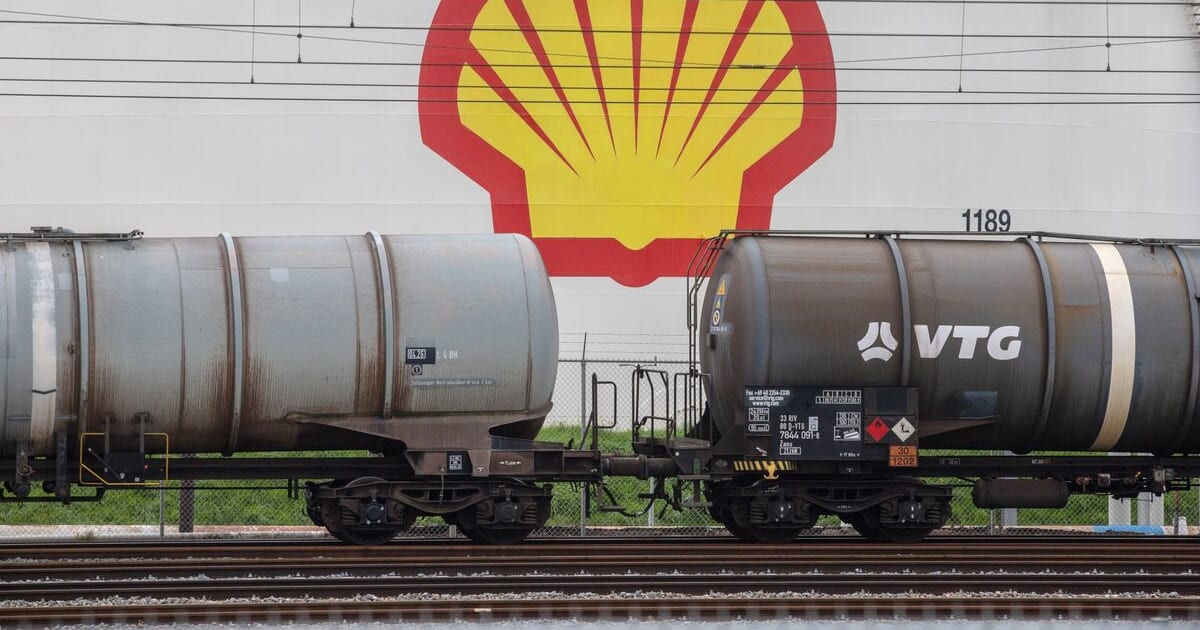
The complex geopolitical landscape in Iran is sending shockwaves through global energy markets, leading to sharp increases in crude oil prices. This analysis unpacks the profound implications for India, from its delicate Current Account Deficit and rising inflation to the monetary policy tightrope the Reserve Bank of India (RBI) must walk. We dissect the winners and losers within the Indian stock market, providing actionable insights for navigating this volatile environment.
Iran Tensions Ignite Global Energy Volatility: India's Economic Crossroads
The delicate geopolitical equilibrium in the Middle East, particularly concerning Iran, has once again become a focal point of global concern, triggering significant price fluctuations in crude oil markets. This escalation is not merely an abstract geopolitical event; it represents a direct and potent threat to India's economic stability, impacting everything from its balance of payments to the purchasing power of its citizens.
Why This Escalation Matters NOW: The Ripple Effect on India
At its core, the current geopolitical tension surrounding Iran is driving a palpable increase in global energy price volatility. This has immediate and profound implications for India, a nation heavily reliant on imported crude oil, accounting for approximately 85% of its total consumption. The surge in oil prices directly pressures India's Current Account Deficit (CAD), a key indicator of its external financial health. A widening CAD signifies that India is spending more on imports than it earns from exports, potentially leading to currency depreciation and increased foreign debt servicing costs. Furthermore, elevated crude prices are a potent catalyst for domestic inflation. As fuel prices rise, so do transportation costs, which then permeate through the entire supply chain, increasing the cost of nearly all goods and services. This inflationary spiral directly impacts the Reserve Bank of India's (RBI) monetary policy stance. The central bank faces a difficult dilemma: combatting inflation by keeping interest rates high, which can stifle economic growth, or cutting rates to stimulate the economy, risking further price increases. For Indian markets, sustained high crude prices act as a significant drag, effectively functioning as a tax on consumption and squeezing corporate margins, particularly for companies with substantial energy-related operating expenses.
Deep Market Impact Analysis: India's Stock Market Under Pressure
The correlation between crude oil prices and the Indian equity market is well-established and historically significant. When crude prices trend upwards, particularly with sustained momentum, the broader market sentiment often turns bearish. The Nifty 50, India's benchmark stock index, has historically exhibited a negative correlation with spikes in oil prices. For instance, during periods of significant oil price shocks, such as those witnessed in early 2022, the Nifty experienced notable corrections as inflation concerns and growth slowdown fears took hold. The current geopolitical backdrop, if it leads to persistent supply disruptions or further escalations, could similarly exert downward pressure on market valuations.
Sectoral Breakdown of Impact:
- Energy Sector: This is the most directly impacted sector. Upstream oil and gas producers, both public and private, stand to benefit from higher crude prices as their revenues and profit margins expand. However, the narrative is more complex for downstream entities.
- Oil Marketing Companies (OMCs): Public sector OMCs like HPCL, BPCL, and IOCL face a dual challenge. While they benefit from inventory gains on higher crude prices, they are often constrained by government policies to keep retail fuel prices stable, leading to under-recoveries and suppressed margins. This can lead to significant financial strain and impact their ability to invest in future growth.
- Aviation Industry: Aviation Turbine Fuel (ATF) is a major cost component for airlines. A sustained rise in crude oil prices directly translates to higher ATF costs, eroding profitability and potentially leading to increased ticket prices, which in turn dampens passenger demand.
- Paint and Tyre Manufacturers: These industries are highly sensitive to crude oil prices as key raw materials like styrene, butadiene, and various petrochemical derivatives are derived from crude. Higher crude prices translate directly into increased input costs, putting pressure on their profit margins unless they can effectively pass these costs on to consumers.
- Fast-Moving Consumer Goods (FMCG): While not directly consuming oil, the FMCG sector is heavily reliant on efficient logistics and transportation for distribution. Rising fuel prices lead to increased freight costs, impacting the overall cost structure and potentially reducing consumer spending power due to higher prices of essential goods.
- Defense Sector: Geopolitical tensions often lead to increased defense spending globally. Companies involved in defense manufacturing and services may see a boost in demand for their products and solutions as nations bolster their security postures.
The overall market sentiment, therefore, shifts towards bearishness as investors anticipate a slowdown in economic activity, higher inflation, and tighter monetary policy. The prospect of delayed interest rate cuts by central banks, both globally and domestically, further dampens investor enthusiasm.
Stock-by-Stock Breakdown: Winners and Losers in the Indian Market
The ramifications of rising oil prices and geopolitical instability in the Middle East are not uniform across the Indian stock market. Certain entities are poised to benefit, while others face considerable headwinds. Understanding these nuances is critical for strategic portfolio allocation.
- Oil and Natural Gas Corporation (ONGC) (NSE: ONGC): As India's largest crude oil producer, ONGC is a direct beneficiary of higher crude prices. Its revenue and profitability are intrinsically linked to global oil benchmarks. With a market capitalization of approximately ₹3.2 lakh crore and a trailing P/E ratio of around 10, ONGC offers a direct play on rising oil prices. Sustained higher prices would likely lead to significant revenue growth and improved earnings per share (EPS) for the company.
- Oil India Limited (OIL) (NSE: OIL): Similar to ONGC, OIL is an upstream exploration and production company. Higher crude prices translate to increased revenue and profitability for OIL. Its market cap stands at around ₹1.2 lakh crore with a P/E ratio of approximately 8. The company's financial performance is highly sensitive to crude price movements, making it a direct beneficiary of the current geopolitical situation.
- Reliance Industries Limited (RIL) (NSE: RELIANCE): RIL's integrated energy business, including its refining and petrochemical operations, presents a complex picture. While higher crude prices can lead to inventory gains and strong refining margins, they also increase feedstock costs for its petrochemical segment. The retail and telecom businesses, however, are more sensitive to overall economic sentiment and consumer spending power, which can be negatively impacted by inflation. RIL's market cap of over ₹18 lakh crore makes its performance a significant indicator for the broader market.
- Hindustan Petroleum Corporation Limited (HPCL) (NSE: HPCL): As a public sector OMC, HPCL faces the challenge of managing under-recoveries due to government-controlled retail fuel prices amidst rising crude costs. While inventory gains can provide some short-term relief, sustained price hikes can lead to significant financial strain, impacting its profitability and dividend payouts. With a market cap of around ₹35,000 crore and a P/E of approximately 11, its performance is closely watched for its sensitivity to government pricing policies.
- Bharat Petroleum Corporation Limited (BPCL) (NSE: BPCL): Similar to HPCL, BPCL, another major OMC, is exposed to the risks of under-recoveries and suppressed margins when crude prices surge. Its ability to pass on costs to consumers is limited, making it vulnerable to profitability erosion. The company's market cap is around ₹70,000 crore, with a P/E of approximately 12.
- Indian Oil Corporation Limited (IOCL) (NSE: IOC): As the largest OMC, IOCL shares the same challenges as HPCL and BPCL. Its vast refining and marketing network means it's directly exposed to the volatility of crude oil prices and the complexities of domestic fuel pricing. With a market cap of approximately ₹1.5 lakh crore and a P/E of around 10, its financial health is a key barometer for the downstream oil sector.
- InterGlobe Aviation Limited (IndiGo) (NSE: INDIGO): The dominant player in India's aviation sector, IndiGo (market cap around ₹1.1 lakh crore, P/E ~25) is highly vulnerable to rising crude prices due to the significant proportion of ATF in its operating costs. Sustained increases in oil prices will directly impact its profitability, potentially leading to fare hikes and a slowdown in passenger growth.
Expert Perspective: Bulls vs. Bears on the Iran-Oil Nexus
The current geopolitical situation and its impact on oil prices have divided market participants. Bulls argue that the market has already priced in much of the geopolitical risk, and any further escalation might be met with a muted reaction, especially if supply disruptions are temporary. They point to the resilience of global demand and the potential for diplomatic de-escalation as reasons for optimism. Furthermore, they highlight that higher oil prices can also spur investment in renewable energy and energy efficiency technologies, creating long-term opportunities. Bulls might also argue that the Indian government has proven adept at managing fuel price volatility in the past, and that the impact on inflation might be less severe than initially feared due to a diversified energy basket and policy interventions.
Conversely, Bears emphasize the potential for a protracted conflict and significant supply disruptions in the Strait of Hormuz, a critical chokepoint for oil transit. They warn that this could lead to a sustained period of higher oil prices, pushing inflation beyond central bank targets and forcing a more aggressive monetary tightening cycle, which would be detrimental to economic growth and equity valuations. Bears also point to the increasing frequency and intensity of geopolitical events in the region, suggesting that this is not a transient risk but a structural one that could lead to a higher baseline for oil prices. They highlight the impact on India's CAD and the potential for currency depreciation as significant risks that could trigger a broader market sell-off.
Actionable Investor Playbook: Navigating the Volatile Energy Landscape
In light of the escalating geopolitical tensions and their impact on energy prices, investors should adopt a cautious yet strategic approach. The current environment calls for a re-evaluation of portfolio allocations, prioritizing resilience and defensiveness.
- Buy: Consider increasing exposure to well-managed upstream oil and gas exploration and production companies like ONGC and OIL. Their revenue streams are directly correlated with crude prices, offering a hedge against inflation and potential price upside. Look for companies with strong balance sheets and efficient operational capabilities.
- Sell/Reduce Exposure: It is prudent to reduce holdings in highly energy-intensive sectors such as aviation (e.g., IndiGo), paints, and tyre manufacturing. Companies with significant logistics costs within the FMCG sector should also be scrutinized. Investors should also be wary of downstream OMCs like HPCL, BPCL, and IOCL, given their vulnerability to under-recoveries and pricing controls, unless they can demonstrate a clear strategy for margin protection.
- Watch: Keep a close eye on the trajectory of crude oil prices (e.g., Brent crude futures), geopolitical developments in the Middle East, and the RBI's commentary on inflation and monetary policy. Monitor the CAD figures and the trend in foreign institutional investor (FII) flows.
- Entry Points: For upstream oil producers, consider accumulating on dips, especially if the market overreacts to short-term negative news. For sectors facing headwinds, consider reducing positions gradually rather than panic selling, especially if valuations have already been compressed.
- Time Horizons: This is a medium to long-term play. The geopolitical situation in the Middle East can be protracted, and its impact on energy markets and the Indian economy could unfold over several months to quarters. Investors should maintain a disciplined approach and avoid making impulsive decisions based on short-term market noise.
Risk Matrix: Quantifying the Potential Downsides
The current geopolitical situation presents several quantifiable risks that investors must consider:
- Probability: High. Risk: Persistent Supply Chain Disruptions. The likelihood of sustained disruptions to oil supply from the Middle East due to escalating tensions is significant. This could lead to a structural increase in global inflation, forcing central banks to maintain higher interest rates for longer, thereby delaying anticipated rate cuts and stifling economic growth.
- Probability: Medium. Risk: Significant Currency Depreciation. A sustained surge in oil prices widens India's CAD, increasing the demand for foreign currency (USD) to pay for imports. If capital inflows do not keep pace, the Indian Rupee could depreciate significantly against the US Dollar, further exacerbating imported inflation and impacting the cost of foreign debt.
- Probability: Medium. Risk: Domestic Inflationary Spiral and Policy Tightening. If inflation proves more persistent than anticipated, the RBI may be forced to halt or even reverse its rate-cut cycle. This would increase borrowing costs for businesses and consumers, dampening investment and consumption, and potentially leading to a sharper economic slowdown than currently forecast.
- Probability: Low to Medium. Risk: Direct Military Conflict Escalation. While less probable, a direct military confrontation involving major global powers or significant regional actors could lead to extreme volatility in energy markets and broader economic disruption, triggering a severe global recession.
What to Watch Next: Upcoming Catalysts and Data Releases
Investors should closely monitor several key events and data releases that will shape the narrative and influence market movements:
- Geopolitical Developments: Any further escalation or de-escalation of tensions in the Middle East will be the primary driver. Watch for official statements from involved nations, diplomatic efforts, and any reports of military actions or significant supply disruptions.
- Crude Oil Inventories and Production Data: Weekly US crude oil inventory reports (EIA) and OPEC+ production decisions will provide crucial insights into the global supply-demand balance.
- Indian Inflation Data (CPI and WPI): The Consumer Price Index (CPI) and Wholesale Price Index (WPI) data, released monthly, will indicate the extent to which rising oil prices are translating into domestic inflation.
- RBI Monetary Policy Meetings: The RBI's Monetary Policy Committee (MPC) meetings, held bi-monthly, will be critical for understanding the central bank's stance on inflation, growth, and interest rates. Any deviation from expected policy actions will have a significant market impact.
- India's Current Account Deficit Data: Quarterly CAD data will reveal the impact of higher import bills on India's external balance.
- Corporate Earnings Reports: Upcoming quarterly earnings reports for listed companies, particularly those in the energy, aviation, and manufacturing sectors, will provide real-time data on how these businesses are navigating the elevated cost environment.
The interplay of these factors will determine the trajectory of India's economic outlook and the performance of its equity markets in the coming months. Vigilance and a data-driven approach are paramount.
See ONGC's AI Score
Our algorithmic screener scores ONGC on fundamentals, momentum, and risk — free to try, no card needed.
Try the AI Screener →Have questions about this story?
Ask Welth, our finance-focused AI research assistant, for a deeper breakdown — free trial included.
Chat with Welth AI →Disclaimer: This content is generated by WelthWest Research Desk based on publicly available reports and is for informational purposes only. It does not constitute financial advice, investment recommendations, or an offer to buy or sell securities. Always consult a qualified financial advisor before making investment decisions.
