Key Takeaway
The cooling of Middle East tensions acts as a massive tailwind for India’s current account deficit. Investors should pivot toward oil-importing sectors while hedging against the inherent fragility of this geopolitical truce.
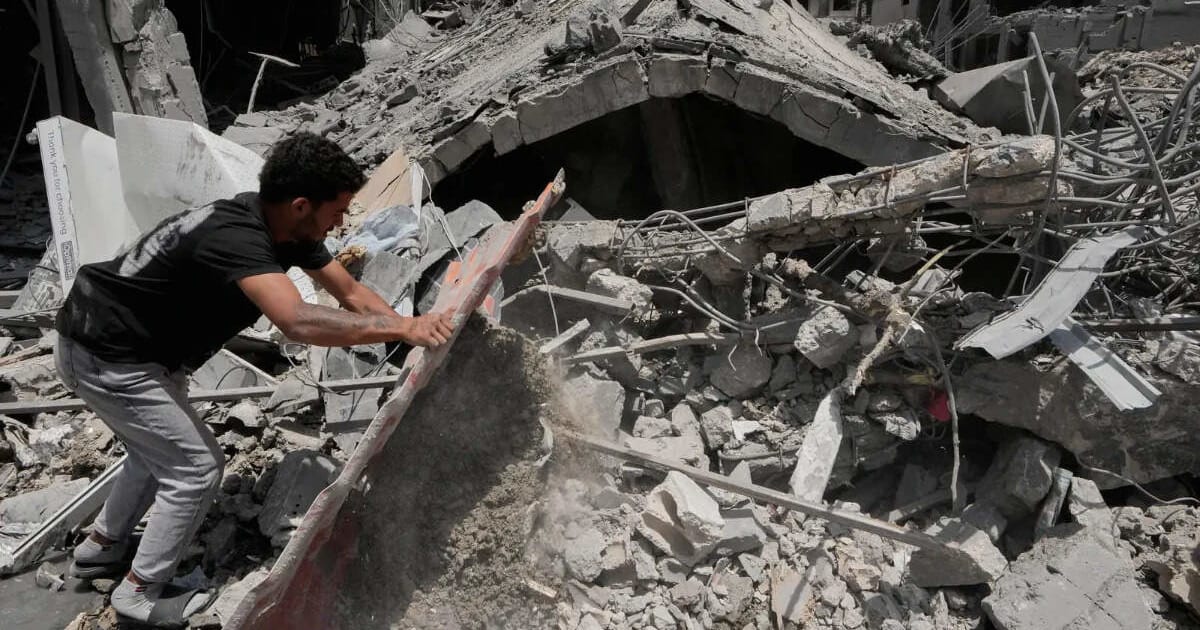
As the Israel-Lebanon ceasefire alleviates regional instability, the resulting drop in crude oil prices provides a significant macroeconomic boost to India. We analyze the sectoral rotation from energy producers to aviation and FMCG, providing a tactical playbook for the current market environment.
The Geopolitical Pivot: What the Ceasefire Means for India
The sudden implementation of a ceasefire between Israel and Lebanon marks a critical inflection point for global energy markets. For the Indian economy, which imports over 85% of its crude oil requirements, this shift is more than just a headline—it is a direct reduction in the 'geopolitical risk premium' that has artificially inflated input costs for months. When Brent crude retreats, the ripple effects are felt instantly across the Nifty 50, primarily through the easing of inflationary pressures and the stabilization of the Indian Rupee (INR).
Historically, we saw a similar relief rally in mid-2022 when initial supply chain bottlenecks began to normalize; during that period, the Nifty 50 saw a 4-6% upward adjustment in transport and manufacturing sectors within a single quarter as margin compression eased. With crude oil hovering near critical support levels, the current ceasefire provides the breathing room that the Reserve Bank of India (RBI) needs to maintain a neutral-to-dovish stance on interest rates.
How will the ceasefire impact Indian oil marketing companies and aviation?
The transmission mechanism is straightforward: lower crude prices directly improve the gross refining margins (GRMs) of Oil Marketing Companies (OMCs) and reduce the operating expenditure (OPEX) for high-beta sectors like aviation. For companies like InterGlobe Aviation (INDIGO), fuel accounts for nearly 40% of total operating costs. A sustained $5-$8 drop in barrel prices can translate into an immediate 150-200 basis point expansion in operating margins.
Sectoral Winners and Losers
- Winners (Oil Importers/Processors): OMCs (IOCL, BPCL, HPCL) benefit from improved inventory valuation and higher marketing margins. Paint manufacturers like Asian Paints see a reduction in raw material costs, as petrochemical derivatives constitute a large portion of their input basket.
- Losers (Upstream Producers): Companies like ONGC and Oil India face immediate revenue headwinds as their realization prices are pegged to international benchmarks. When global prices drop, their EBITDA-per-barrel contracts, often leading to a short-term correction in their stock price.
Stock-by-Stock Breakdown: Where the Smart Money Is Moving
1. InterGlobe Aviation (INDIGO): With a market cap exceeding ₹1.5 lakh crore, Indigo is the primary beneficiary of lower Aviation Turbine Fuel (ATF) costs. Watch for a breakout if the stock sustains above its 200-day moving average, as lower fuel costs directly boost bottom-line profitability.
2. Asian Paints: As a leader in the decorative paint segment with a P/E ratio currently hovering near historical averages, Asian Paints gains from lower crude-linked input costs. This allows the company to either maintain price points or aggressively capture market share from smaller players.
3. IOCL & BPCL: These OMCs are the frontline beneficiaries. With government-controlled retail pricing, lower crude prices allow these firms to recover losses incurred during high-price cycles, strengthening their balance sheets for capex cycles.
4. ONGC: While a 'sell' or 'avoid' in the short term, ONGC remains a dividend play. Investors should monitor the stock for a pull-back; at lower valuations, the dividend yield becomes attractive even if crude prices remain range-bound.
Expert Perspective: The Bull vs. Bear Debate
The Bull Argument: Bulls argue that the reduction in geopolitical risk is structural. They posit that the ceasefire will lead to a 'risk-on' sentiment across Emerging Markets (EMs), with India being the primary beneficiary due to its superior GDP growth trajectory. They see the current correction in upstream stocks as a 'buy the dip' opportunity for dividend-seeking portfolios.
The Bear Argument: Bears caution that the ceasefire is fragile and conditional. They argue that the Middle East risk premium is merely suppressed, not eliminated. Any renewed escalation could see oil prices spike by $10 in a single session, leading to 'whipsaw' volatility that could trap retail investors.
Actionable Investor Playbook
Investors should adopt a 'barbell' strategy. Allocate capital toward high-operating-leverage companies that benefit from lower energy costs, while hedging with defensive FMCG stocks that are less sensitive to macro swings.
- Entry Points: Look for consolidation patterns in OMCs; avoid buying into the initial 3-5% surge. Wait for a retest of support levels.
- Time Horizon: This is a medium-term trade (3-9 months). The volatility of the ceasefire means stop-losses must be strictly enforced.
- Portfolio Mix: 60% in high-conviction beneficiaries (Aviation/OMCs), 40% in cash or gold as a hedge against geopolitical volatility.
Risk Matrix: Why the Truce Might Fail
| Risk Factor | Probability | Impact |
|---|---|---|
| Breakdown of Negotiations | High | High |
| OPEC+ Supply Cutbacks | Medium | Medium |
| Currency Fluctuations (INR vs USD) | Medium | High |
What to Watch Next
The market will be laser-focused on the upcoming OPEC+ meeting minutes and RBI policy committee announcements. These data points will dictate whether the current relief rally has the legs to transform into a sustained bull trend or if it remains a tactical rebound. Monitor the Brent Crude futures closely; any sustained move above $85/barrel should be viewed as a signal to reduce exposure to aviation and chemical stocks.
See IOCL's AI Score
Our algorithmic screener scores IOCL on fundamentals, momentum, and risk — free to try, no card needed.
Try the AI Screener →Have questions about this story?
Ask Welth, our finance-focused AI research assistant, for a deeper breakdown — free trial included.
Chat with Welth AI →Disclaimer: This content is generated by WelthWest Research Desk based on publicly available reports and is for informational purposes only. It does not constitute financial advice, investment recommendations, or an offer to buy or sell securities. Always consult a qualified financial advisor before making investment decisions.
