Key Takeaway
The historic depreciation of the Yen creates a 'double-edged sword' for India: lower input costs for Japanese-linked auto giants like Maruti Suzuki, contrasted against the systemic risk of a global liquidity crunch if the Bank of Japan forces a sudden currency reversal.
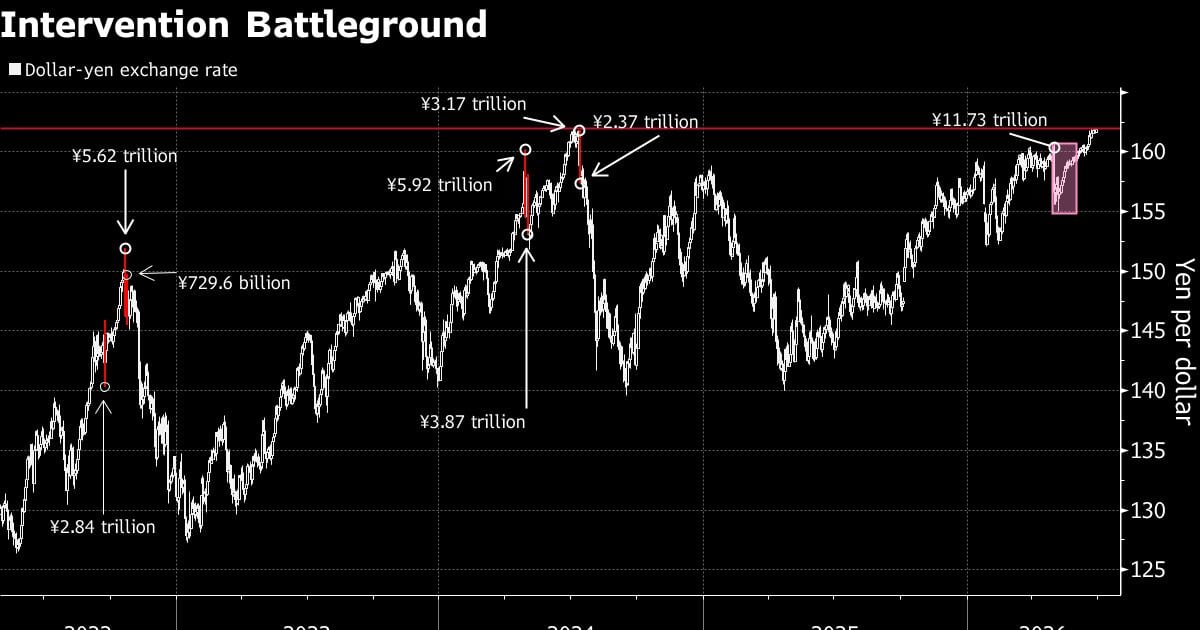
The Japanese Yen has plummeted to levels unseen since the mid-1980s, sending shockwaves through global financial markets. For Indian investors, this divergence creates a complex landscape of sector-specific tailwinds and macro-level risks. We break down the winners, losers, and the hidden dangers of a potential Yen carry trade unwind.
The Yen’s Historic Slide: A Macroeconomic Fault Line
The Japanese Yen (JPY) has officially breached 38-year lows against the US Dollar, a development that signals more than just currency volatility; it represents the fraying of the global 'carry trade' architecture. For decades, investors have borrowed cheap Yen to fund high-yield assets globally. As the Bank of Japan (BoJ) maintained a dovish stance while the US Federal Reserve hiked rates, the interest rate differential widened, fueling this historic slide.
Why does this matter to the Indian investor? Because India’s equity market, particularly the automotive and manufacturing sectors, is deeply intertwined with Japanese capital and supply chains. When the Yen weakens, the cost of importing high-end technology, components, and royalty payments for Indian firms with Japanese parents drops significantly. However, the 'hidden' risk lies in the inevitable BoJ intervention, which could trigger a massive repatriation of capital, leading to FII outflows from emerging markets like India.
How Does the Yen Weakness Affect Indian Auto Stocks?
The relationship between the Yen and Indian auto OEMs is one of the most direct transmission mechanisms in the Nifty. Indian auto companies with Japanese JVs often operate on a model where they pay royalties to their parent companies in Yen and import critical high-tech components from Japan.
Maruti Suzuki (MARUTI): With a significant portion of its technology and engineering lineage sourced from Suzuki Motor Corporation, a weak Yen acts as an immediate margin tailwind. Historically, every 1% depreciation in the Yen against the Rupee can lead to a basis-point expansion in operating margins, assuming other input costs remain stable. With MARUTI trading at a P/E of roughly 30x, any margin expansion is quickly priced in, yet the currency benefit provides a buffer against rising domestic steel and aluminum costs.
Asahi India Glass (ASAHIINDIA): As a key supplier to the automotive industry, Asahi India benefits from its technological alignment with Japanese glass manufacturing standards. A weaker Yen lowers the cost of specialized machinery imports, which are vital for maintaining the competitive edge in the high-margin automotive glass segment.
Stock-by-Stock Breakdown: Winners and Exposure
- Maruti Suzuki (NSE: MARUTI): The primary beneficiary. Lower royalty payments and cheaper imported components help protect margins during periods of intense competition in the SUV segment.
- Motherson Sumi Wiring India (NSE: MSUMI): As a global auto component player, their ability to source raw materials from Japan at a lower cost provides an edge, though they must balance this against global demand fluctuations.
- Bharat Forge (NSE: BHARATFORG): While they are major exporters, their exposure to global engineering demand means they face competition from Japanese rivals. A weak Yen makes Japanese engineering products cheaper, potentially pressuring Bharat Forge’s pricing power in international markets.
- Toyota Kirloskar Motor (Unlisted): While not directly tradeable on the NSE, the parent company's stock (Toyota Motor Corp) performance impacts the sentiment surrounding the entire Indian auto ancillary ecosystem.
Expert Perspective: The Carry Trade Unwind Risk
Bulls argue that the Yen weakness is a structural gift to Indian manufacturing, allowing for cheaper capital expenditure and technology transfers. They point to the 2022 period, when Nifty displayed resilience despite currency volatility, suggesting that India’s domestic consumption story is decoupling from global currency trends.
Bears, however, warn of the 'carry trade' unwind. If the BoJ intervenes aggressively, the Yen will spike. This would force global hedge funds to liquidate positions in emerging markets to cover their Yen-denominated debt. In such a scenario, FII outflows could trigger a sharp correction in Nifty-50 stocks, regardless of their individual fundamentals. The probability of this 'liquidity shock' remains elevated as long as the interest rate gap between Japan and the US remains at historic extremes.
Actionable Investor Playbook
Investors should adopt a 'barbell' strategy. Focus on companies with high Japanese technical collaboration to capitalize on margin expansion, while hedging against systemic risk by maintaining liquidity or exposure to non-correlated sectors like domestic defense or IT services.
- Monitor the USD/JPY pair: If the pair breaks below the 150 mark, expect volatility in FII flows.
- Focus on Margin Profiles: Prioritize auto stocks with strong pricing power that can retain the 'Yen-bonus' rather than passing it on to consumers.
- Watch for BoJ Intervention: Any signal of a surprise rate hike by the BoJ is a sell signal for high-beta stocks that have benefited from the carry trade liquidity.
Risk Matrix
| Risk Factor | Probability | Impact |
|---|---|---|
| Aggressive BoJ Intervention | Medium | High |
| Competitive Devaluation in Asia | High | Medium |
| Global Liquidity Squeeze | Low-Medium | Very High |
What to Watch Next
The most critical catalyst for the next quarter is the BoJ’s Monetary Policy Committee meeting. Markets will be scouring the minutes for any hints of yield curve control (YCC) adjustments. Additionally, keep an eye on the monthly trade balance data from Japan; a narrowing trade deficit could provide the fundamental basis for a Yen recovery, effectively ending the current 'cheap Yen' trade. Investors should also track the FII flow data on the NSDL portal to gauge if the carry trade unwind has already begun in the Indian equity markets.
See MARUTI's AI Score
Our algorithmic screener scores MARUTI on fundamentals, momentum, and risk — free to try, no card needed.
Try the AI Screener →Have questions about this story?
Ask Welth, our finance-focused AI research assistant, for a deeper breakdown — free trial included.
Chat with Welth AI →Disclaimer: This content is generated by WelthWest Research Desk based on publicly available reports and is for informational purposes only. It does not constitute financial advice, investment recommendations, or an offer to buy or sell securities. Always consult a qualified financial advisor before making investment decisions.
