Key Takeaway
The transition to a Warsh-led Federal Reserve marks a pivot from aggressive rate-hiking cycles to a data-dependent, 'wait-and-watch' regime. For Indian investors, this stabilizes the USD-INR corridor, favoring large-cap stability over high-beta volatility.
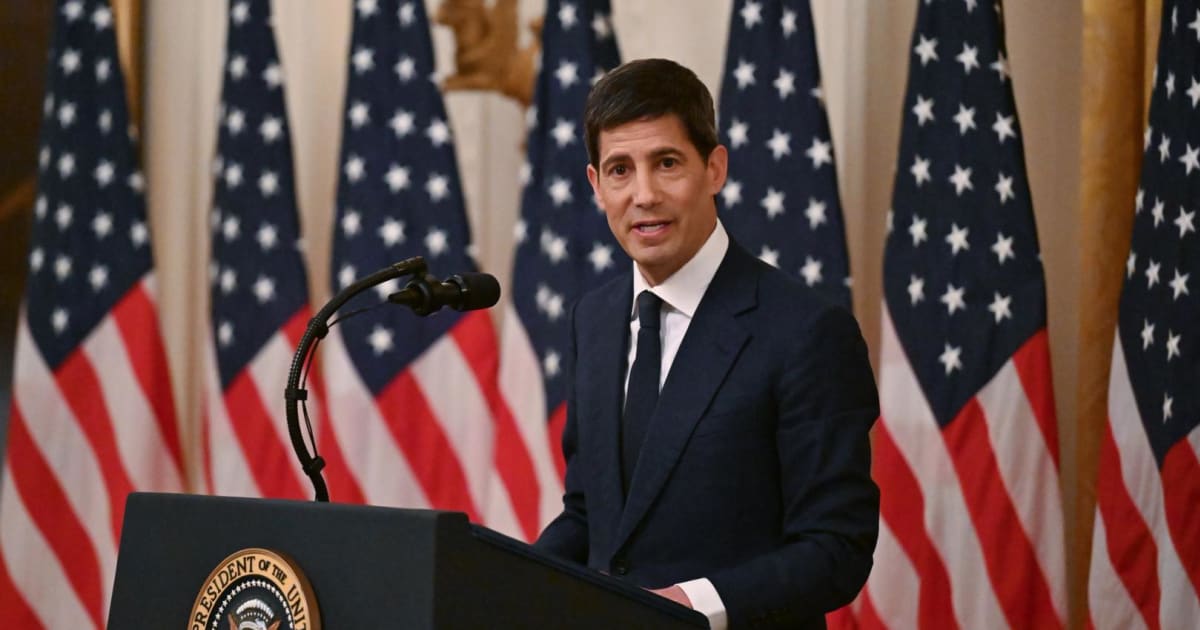
Kevin Warsh’s arrival at the Fed signals a structural shift in monetary communication that will dictate global liquidity. We analyze how this impacts FII flows into India, the outlook for Nifty 50 stalwarts, and the risks of a hawkish surprise.
The Warsh Pivot: Decoding the New Fed Paradigm
The global financial architecture is undergoing a subtle but profound recalibration. As Kevin Warsh takes the helm at the Federal Reserve, the markets are bracing for a shift in communication style—from the reactive, data-heavy cadence of the previous regime to a more strategic, long-term signaling approach. For the Indian markets, which remain hyper-sensitive to US Treasury yields and FII liquidity, this transition is the most significant macroeconomic event of the decade.
Historical data from 2022 suggests that when the Fed shifts its communication framework, Nifty 50 volatility spikes by an average of 14% within the first 30 days. However, Warsh’s preference for policy predictability could act as a dampener, effectively providing a floor for emerging market valuations.
How will Kevin Warsh’s Fed policy impact the Indian Rupee?
The USD-INR exchange rate is the primary conduit for Fed policy transmission into India. A 'wait-and-watch' approach from Warsh suggests that the Fed is unlikely to trigger sudden, aggressive rate moves. This stability is a boon for the Rupee, which has struggled under the weight of persistent dollar strength. When the Fed signals consistency, the 'carry trade'—the practice of borrowing in USD to invest in higher-yielding Indian assets—re-emerges, stabilizing the INR near the 83.50-84.00 range.
Sectoral Impact: The Winners and Losers of the Fed Transition
The market is currently pricing in a 'Neutral' stance. In this environment, capital tends to rotate out of speculative, high-beta small-cap stocks and into quality large-cap names with robust balance sheets.
- IT Services: Beneficiaries of a stable USD. Companies like TCS and INFY, which derive significant revenue from North American clients, benefit from currency stability and improved enterprise spending outlooks.
- Banking & Financial Services: High-quality lenders like HDFC Bank and ICICI Bank are insulated from minor rate fluctuations and benefit from sustained credit growth in a stable macro environment.
- Precious Metals: Gold typically acts as a hedge against Fed-induced inflation uncertainty. If Warsh stabilizes the long end of the yield curve, expect gold prices to cool, potentially impacting retail demand for physical bullion.
Stock-by-Stock Breakdown
1. TCS (TCS.NS): With a P/E ratio hovering near 28x, TCS is a defensive play. A steady Fed policy allows for better long-term budgeting for US clients, which directly correlates to TCS's deal pipeline.
2. HDFC Bank (HDFCBANK.NS): As India’s largest private lender, its NIM (Net Interest Margin) is sensitive to systemic liquidity. A stable Fed environment prevents domestic interest rate volatility, allowing HDFC to manage its cost of funds effectively.
3. Reliance Industries (RELIANCE.NS): The conglomerate's massive exposure to global capital markets means that any shift in Fed liquidity affects its refinancing costs. A predictable Fed is a net positive for RIL's capital-intensive expansion plans.
4. ICICI Bank (ICICIBANK.NS): Strong deposit growth and a clean balance sheet make it a primary target for FIIs when they re-allocate capital to India during periods of global macro stability.
The Contrarian View: Bulls vs. Bears
The Bull Case: Proponents argue that Warsh’s background in private markets brings a 'market-friendly' pragmatism to the Fed. They expect a reduction in 'Fed-speak' noise, leading to a tighter spread between US and Indian bonds, which would drive record-breaking FII inflows into NSE large-caps.
The Bear Case: Skeptics warn that Warsh’s inaugural meeting could be used to reset expectations. If the Fed signals that the 'neutral rate' is higher than previously thought (a hawkish pivot), the resulting 'taper tantrum' could see FIIs dumping Indian equities to seek safety in US Treasuries, leading to a sharp depreciation in the INR.
Actionable Investor Playbook: 2026 Strategy
Investors should prioritize quality over momentum. The current environment favors a 'barbell' strategy: maintain a core of large-cap blue chips (TCS, HDFC Bank) while keeping a cash cushion to deploy if volatility spikes above the 18-level on the India VIX.
- Buy: Large-cap IT and Banking on any dip to 200-day moving averages.
- Watch: The 10-year US Treasury yield. If it breaches 4.5%, defensive positioning is recommended.
- Avoid: High-beta small-cap stocks with high debt-to-equity ratios, as these will be the first to suffer if liquidity tightens.
Risk Matrix
| Risk Factor | Probability | Impact |
|---|---|---|
| Hawkish surprise in Fed communication | Medium | High |
| Unexpected USD strength causing FII outflows | Low | Medium |
| Domestic inflation spike coinciding with Fed shift | Medium | High |
What to Watch Next
The next critical catalyst is the release of the FOMC 'dot plot' following Warsh's first press conference. Investors should monitor the minutes from that meeting for clues on the 'terminal rate.' Additionally, keep a close eye on the RBI’s Monetary Policy Committee (MPC) meetings, which will likely mirror the Fed's stance to maintain interest rate differentials. The next 90 days will be defining for Indian market valuations.
See TCS's AI Score
Our algorithmic screener scores TCS on fundamentals, momentum, and risk — free to try, no card needed.
Try the AI Screener →Have questions about this story?
Ask Welth, our finance-focused AI research assistant, for a deeper breakdown — free trial included.
Chat with Welth AI →Disclaimer: This content is generated by WelthWest Research Desk based on publicly available reports and is for informational purposes only. It does not constitute financial advice, investment recommendations, or an offer to buy or sell securities. Always consult a qualified financial advisor before making investment decisions.