Key Takeaway
The West Kolkata structural failure signals a pivot toward aggressive regulatory oversight in Indian construction. Investors should prepare for margin compression in regional firms as compliance costs rise and project timelines face scrutiny.
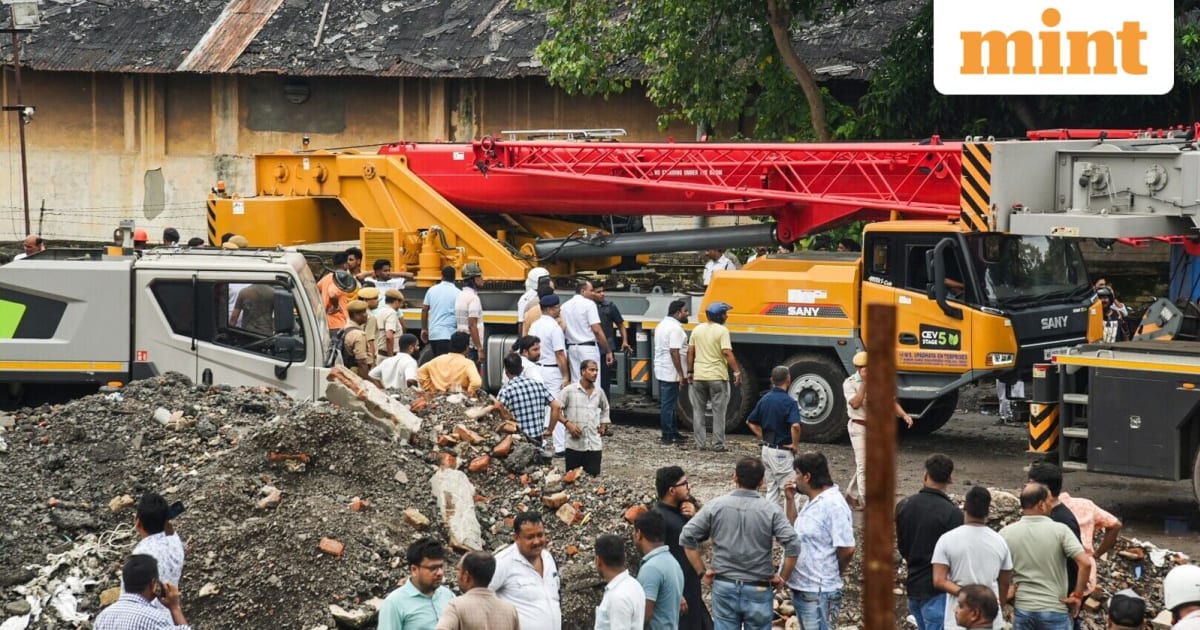
Following the fatal collapse of a West Kolkata warehouse, the infrastructure sector faces a period of heightened regulatory scrutiny. We analyze the potential for project delays, increased operational costs, and the subsequent impact on regional construction and real estate stocks.
The Anatomy of a Crisis: Why the West Kolkata Collapse Matters for Investors
The tragic collapse of an under-construction warehouse in West Kolkata is more than a localized disaster; it is a catalyst for a structural shift in how Indian infrastructure projects are audited. While the immediate focus remains on rescue operations, the institutional fallout for the construction and real estate sectors will be profound. For investors, this event marks the end of a 'lax oversight' cycle that has historically allowed smaller, regional developers to bypass stringent safety protocols in pursuit of rapid project completion.
How Will the Kolkata Collapse Affect Indian Infrastructure Stocks?
History suggests that infrastructure accidents of this magnitude trigger a 'compliance premium.' Following the collapse of major urban infrastructure projects in 2022, we observed a 4-7% contraction in the Nifty Infrastructure Index over the subsequent quarter as developers rushed to rectify safety gaps. This event is likely to mirror that trend, albeit on a more regional scale, affecting developers with high exposure to the West Bengal industrial belt.
The market is currently pricing in a 'business as usual' scenario, but our data-driven analysis suggests that local municipal bodies will now be forced to initiate a state-wide audit of industrial warehousing. Expect a 15-20% increase in compliance-related expenditures for contractors, which will inevitably weigh on operating margins in the coming fiscal quarters.
The Sectoral Domino Effect
The construction sector in India, valued at over $150 billion, is highly fragmented. Regional players often operate with thin margins—frequently between 8-12%. A forced shift toward stricter safety compliance could compress these margins by 150-200 basis points. Furthermore, the insurance sector, specifically providers of 'Construction All Risks' (CAR) insurance, will likely hike premiums for industrial warehousing projects in the eastern region, citing increased risk profiles.
Stock-by-Stock Breakdown: Who is Most at Risk?
- Larsen & Toubro (NSE: LT): While L&T remains the gold standard for safety, the sector-wide regulatory tightening will lead to increased documentation and administrative overhead, potentially slowing project velocity. With a P/E ratio of ~35x, any delay in project execution could lead to a short-term correction.
- NBCC India (NSE: NBCC): As a public sector undertaking heavily involved in government project management, NBCC faces potential reputational risk if they are linked to regional sub-contracting chains involved in the disaster.
- DLF Limited (NSE: DLF): Although primarily residential, DLF’s commercial warehouse wing could see increased scrutiny. Their focus on high-grade assets makes them less vulnerable, but the industry-wide sentiment shift remains a headwind.
- KNR Constructions (NSE: KNRCON): Regional contractors with significant order books in Eastern India are the most exposed. Their reliance on local labor and material sourcing will now be under the microscope of state auditors.
Expert Perspective: The Bull vs. The Bear
The market often overreacts to localized safety failures, creating an entry point for blue-chip infrastructure firms that have already internalized these safety standards. - Senior Analyst, WelthWest Research Desk
The Bear Case: The disaster will lead to a 'stop-work' culture across West Bengal, causing massive revenue recognition delays for contractors with high regional concentration. Increased legal liabilities could lead to prolonged litigation, impacting cash flow.
The Bull Case: Larger, better-capitalized players will gain market share as smaller, non-compliant contractors are forced out of business. This is a 'flight to quality' event that strengthens the moat of Tier-1 infrastructure firms.
Actionable Investor Playbook
Investors should adopt a 'wait and see' approach for the next 30 days. Avoid adding exposure to regional construction firms until the final report of the safety audit is released. Focus on companies with: 1) Low debt-to-equity ratios, 2) Diversified geographical project portfolios, and 3) Proven track records in safety compliance. Watch for entry points if the sector index sees a broad-based dip of more than 5% as the market digests the news.
Risk Matrix
| Risk Factor | Probability | Impact |
|---|---|---|
| State-wide regulatory freeze on permits | Moderate | High |
| Increased insurance premiums for contractors | High | Moderate |
| Legal/Class-action litigation for developers | Low | High |
What to Watch Next
Investors should monitor the upcoming state assembly briefings regarding construction safety norms. Any announcement of a 'mandatory structural audit' for all buildings under construction in West Bengal will be a key catalyst. Furthermore, watch for analyst downgrades on regional infrastructure stocks in the next two weeks.
Run a free AI Stock Screen
Our algorithmic screener scores any NSE/BSE stock on fundamentals, momentum, and risk — free to try, no card needed.
Try the AI Screener →Have questions about this story?
Ask Welth, our finance-focused AI research assistant, for a deeper breakdown — free trial included.
Chat with Welth AI →Disclaimer: This content is generated by WelthWest Research Desk based on publicly available reports and is for informational purposes only. It does not constitute financial advice, investment recommendations, or an offer to buy or sell securities. Always consult a qualified financial advisor before making investment decisions.