Key Takeaway
Kraken's IPO postponement is a stark bellwether for the crypto industry, signaling a protracted fundraising drought for digital asset firms. While direct Indian market exposure is minimal, the global sentiment shift will ripple through tech valuations and offshore crypto holdings, demanding a cautious recalibration from investors.
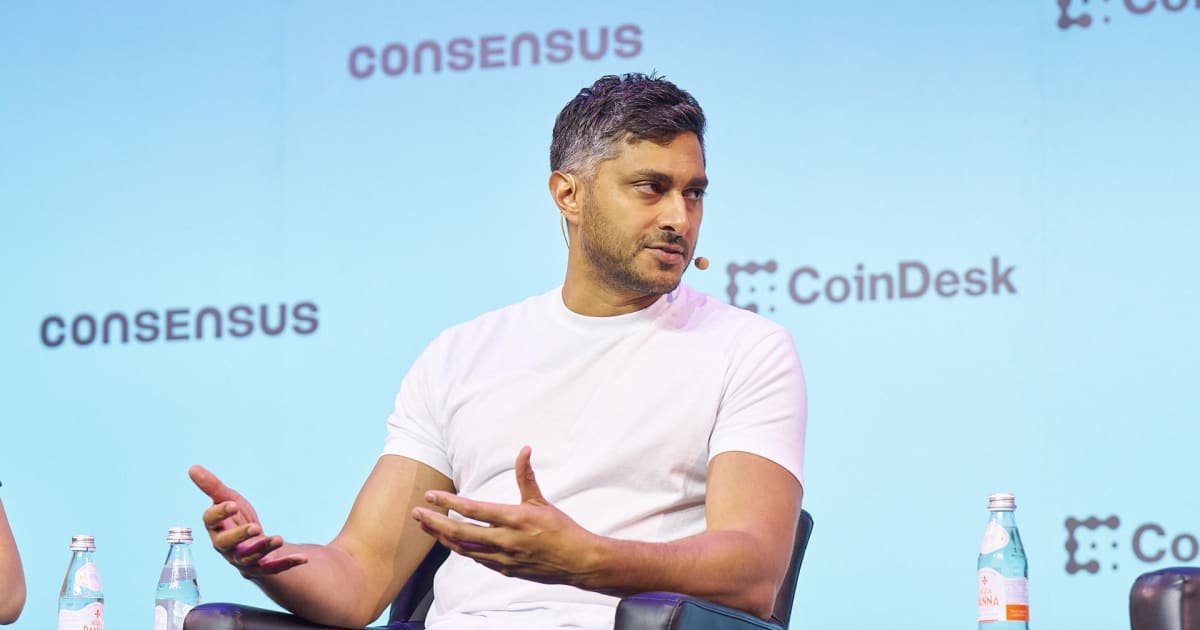
Kraken's parent, Payward, has pushed its much-anticipated IPO to 2027 or beyond, a move reverberating through the global crypto ecosystem. This isn't just a corporate hiccup; it's a profound indicator of sustained caution and a potentially extended 'crypto winter.' WelthWest Research Desk delves into what this means for investor sentiment, the challenging fundraising landscape for crypto firms, and the indirect yet significant implications for Indian investors and the broader tech sector.
Kraken IPO Delay: Unpacking the Extended Crypto Winter and Its Subtle Echoes in Indian Markets
The digital asset world is grappling with a significant development: Payward, the parent company of leading cryptocurrency exchange Kraken, has quietly pushed its highly anticipated Initial Public Offering (IPO) to 2027 or even later. This isn't merely a rescheduling; it's a powerful signal reverberating across the global financial landscape, hinting at a prolonged period of caution and potentially an extended 'crypto winter' for major digital asset players. While India's stringent regulatory environment has largely insulated its domestic stock market from direct crypto volatility, the indirect implications for investor sentiment, offshore crypto holdings, and the broader tech investment thesis are undeniable and warrant a comprehensive examination.
For years, Kraken's IPO was viewed as a critical milestone, a litmus test for institutional appetite for crypto-native businesses in public markets. The decision to delay, stemming from a challenging market environment, regulatory uncertainties, and a less-than-ideal valuation landscape, underscores a fundamental shift. Companies like Coinbase (COIN), which went public in 2021, have seen their valuations battered, trading significantly below their direct listing prices. This backdrop makes a public market entry less appealing for private firms like Payward, which prefer to wait for more favorable conditions rather than face a lukewarm reception or a 'down round' in public perception.
The immediate 'so what' for investors is clear: the era of easy money and sky-high valuations for crypto-native firms is firmly behind us. This delay reflects a mature, albeit challenging, market grappling with fundamental questions of utility, scalability, and regulatory clarity. For Indian investors, while direct exposure to crypto exchanges via NSE/BSE listed stocks is non-existent, the ripple effects are more subtle but equally important to discern. It influences the global tech narrative, impacts capital flows into riskier assets, and shapes the sentiment around blockchain technology, which underpins many nascent Indian tech plays.
What Does Kraken's IPO Postponement Mean for Global Crypto Sentiment?
Kraken's decision to delay its public market debut is a significant blow to the broader crypto ecosystem's morale. IPOs are often seen as validation, a passage into mainstream finance that legitimizes a sector. For a company of Kraken's stature – consistently ranking among the top exchanges globally by trading volume and user base – to defer such a move speaks volumes about the current fundraising environment. This isn't just about one company; it's symptomatic of a wider trend where venture capital funding for crypto startups has significantly tightened. In Q1 2024, global crypto VC funding saw a modest increase but remained far below the peaks of 2021-2022, indicating a more discerning and cautious investment landscape. This caution directly impacts early-stage crypto startups, many of which are struggling to secure follow-on funding, leading to consolidation or outright failures. The 'crypto winter' isn't just about token prices; it's about the very survival of businesses built on this technology.
Furthermore, the delay impacts crypto-linked investment vehicles globally. Exchange-Traded Funds (ETFs) and other structured products that invest in crypto companies or directly in digital assets often rely on a healthy and expanding ecosystem for liquidity and growth. A slowdown in public market access for key players can damp enthusiasm for these vehicles. The Grayscale Bitcoin Trust (GBTC), for instance, despite converting to an ETF, still sees its performance tied to the broader institutional sentiment around crypto firms. A prolonged 'crypto winter,' as indicated by Kraken's move, suggests that the path to sustained recovery for these investment products might be longer and more volatile than many anticipate.
Historically, periods of public market hesitancy for emerging tech sectors have often preceded periods of consolidation and re-evaluation. The dot-com bust of 2000, for example, saw numerous internet companies delay or withdraw IPOs, leading to a cleansing of the market and eventually, a stronger, more sustainable tech sector emerging. While not a perfect parallel, the current environment in crypto shares some characteristics: overvaluation, speculative fervor, and now, a reckoning. This delay forces a focus on profitability, sustainable business models, and robust regulatory compliance – factors that will ultimately strengthen the sector but make the short-term journey arduous.
How Will Kraken's IPO Delay Indirectly Affect Indian Stock Market Investors?
Despite India's strict stance on cryptocurrencies, the global crypto market's health is not entirely divorced from Indian investor sentiment, especially for those with offshore holdings or a keen interest in global tech trends. The most direct impact is psychological. A global leader like Kraken signaling caution can dampen the risk appetite of Indian investors who might be considering allocating capital to nascent blockchain-related ventures, even those not directly involved in cryptocurrencies. This can manifest as reduced interest in Indian tech startups that leverage blockchain for enterprise solutions, supply chain management, or Web3 applications, even if they steer clear of speculative tokens.
Consider the broader tech sector sentiment. Indian IT services giants like Infosys (INFY) (NSE: INFY, Market Cap: ₹6.11 Trillion, P/E: 24.5x) and Tata Consultancy Services (TCS) (NSE: TCS, Market Cap: ₹14.07 Trillion, P/E: 30.2x) increasingly invest in and offer blockchain-as-a-service solutions to their global clients. While their core business is robust, a prolonged 'crypto winter' could lead to a slowdown in enterprise adoption of blockchain technologies, potentially impacting their growth in these niche, yet strategically important, segments. A more cautious global environment for digital assets might translate into delayed projects or reduced budgets for blockchain implementations, affecting the pipeline for these IT bellwethers. This isn't a primary driver for their stock prices, but it's a subtle headwind that adds to broader concerns about global IT spending.
Another indirect channel is through venture capital and private equity flows. Indian startups, particularly those in the fintech and deep tech space, rely on global capital. A global tightening in funding for crypto and blockchain ventures could make investors more risk-averse across the board, potentially impacting fundraising for Indian startups, even those with no direct crypto exposure. This 'flight to quality' can divert capital from emerging markets or nascent tech sectors towards more established, less volatile assets. Companies like Naukri (NAUKRI) (Info Edge India Ltd., NSE: NAUKRI, Market Cap: ₹69,000 Crore), which has a portfolio of tech investments, could see slower growth in some of its venture holdings if the broader tech funding environment remains subdued.
Furthermore, Indian investors with offshore crypto holdings are directly exposed to global crypto sentiment. A bearish outlook, reinforced by events like Kraken's IPO delay, could lead to further price depreciation in major cryptocurrencies like Bitcoin and Ethereum. This would result in notional losses for these investors and potentially influence their investment decisions in other asset classes, including Indian equities, as they recalibrate their overall risk exposure. The correlation between global crypto market sentiment and the speculative appetite for high-growth tech stocks, even in India, is not insignificant.
Specific Indian Stocks: Navigating the Indirect Ripple
While no Indian company directly operates a crypto exchange listed on NSE/BSE, the indirect effects of a prolonged 'crypto winter' can be observed across several sectors:
- Infosys (INFY) (NSE: INFY): As a global IT services behemoth, Infosys is actively involved in blockchain solutions for enterprise clients across supply chain, finance, and healthcare. A slowdown in global enterprise blockchain adoption due to dampened crypto sentiment could marginally impact its consulting and implementation services in this niche. While blockchain-related revenue is a small fraction of its overall ₹1.53 Trillion annual revenue, it represents a strategic growth area. A prolonged 'winter' might defer client investment cycles, affecting future growth projections for this segment.
- Tata Consultancy Services (TCS) (NSE: TCS): Similar to Infosys, TCS is a leader in digital transformation and offers extensive blockchain services. Their Quartz Blockchain solution is a key offering. A global cautious sentiment towards crypto and related technologies could lead to a slight deceleration in demand for such solutions from their international clientele. Although TCS's diversified portfolio (₹2.4 Trillion annual revenue) provides resilience, even a minor headwind in a high-growth segment like blockchain is noteworthy for long-term investors.
- Info Edge India Ltd. (NAUKRI) (NSE: NAUKRI): As an investor in various Indian tech startups, Info Edge's portfolio could face indirect pressure. If global venture capital tightens due to dampened tech sentiment (partially influenced by crypto's struggles), it could impact the valuations and fundraising prospects of some of Info Edge's investee companies, particularly those in fintech or emerging tech. While Naukri's core business (recruitment, real estate, matrimony) remains strong, its venture capital arm is sensitive to broader tech market sentiment.
- Larsen & Toubro Infotech (LTIMindtree) (LTIM) (NSE: LTIM): This IT services firm, now LTIMindtree, also has a growing digital transformation practice that includes blockchain and distributed ledger technologies. While its exposure is less pronounced than Infosys or TCS, a general slowdown in global tech spending on innovative, riskier technologies like blockchain could marginally affect its deal pipeline and growth in specific digital service offerings. Its recent merger has aimed for scale, but global sentiment remains a factor.
- Persistent Systems (PERSISTENT) (NSE: PERSISTENT): Known for its product engineering and digital transformation services, Persistent Systems works with clients on cutting-edge technologies. While not directly exposed to crypto, a prolonged 'crypto winter' could lead to a more conservative approach by clients in adopting innovative, blockchain-adjacent solutions, potentially impacting project timelines or scope in certain advanced tech segments.
Expert Perspectives: Bulls vs. Bears on the Crypto Winter's Duration
The Bears' Argument: The continued delay of a major IPO like Kraken's reinforces the bearish view that the crypto market is in a deep, structural winter. They argue that regulatory uncertainty, particularly in key markets like the US, continues to stifle institutional adoption and create an unpredictable operating environment. 'Until there's clear, harmonized global regulation, major crypto firms will struggle to attract the kind of public market valuations seen in other tech sectors,' asserts a prominent financial analyst. Bears also point to persistent macroeconomic headwinds, including higher interest rates and inflation, which naturally push investors away from speculative, high-risk assets like cryptocurrencies and towards safer havens. They foresee more consolidation, bankruptcies, and a protracted period of low growth for crypto-native companies, echoing the post-dot-com bust era where only truly resilient businesses survived. This view suggests that the 2027 IPO target might even be optimistic, with further delays possible if market conditions don't fundamentally improve.
The Bulls' Counter-Argument: Contrarian investors and crypto enthusiasts argue that this delay, while disappointing, is a necessary step towards a more mature and sustainable industry. They believe that companies like Kraken are simply waiting for optimal market conditions to ensure a successful, high-valuation IPO, rather than rushing into a difficult environment. 'This isn't a sign of weakness, but strategic patience,' one venture capitalist noted. Bulls point to underlying technological advancements in blockchain, the continued development of Web3 infrastructure, and the growing utility of stablecoins and decentralized finance (DeFi) as long-term drivers. They also highlight the increasing interest from institutional players in Bitcoin ETFs and the potential for future regulatory clarity to unlock significant capital flows. For them, a 'crypto winter' is a cleansing period, weeding out unsustainable projects and allowing robust, well-managed companies to solidify their foundations, making them even more attractive for a future public offering. They might argue that a 2027 IPO, while distant, aligns with a potential next bull cycle, allowing Kraken to command a premium valuation.
Actionable Investor Playbook: Navigating the Chill
For Indian investors, navigating this indirect impact requires a strategic, long-term perspective. Here’s an actionable playbook:
- Watch: Global Tech & IT Services: Keep a close eye on global tech spending trends, particularly in digital transformation and emerging technologies. While Kraken's delay won't directly tank Infosys or TCS, it adds to a mosaic of factors influencing their growth trajectory in specific, higher-margin segments. Monitor their commentary on blockchain-related project pipelines. Consider these stocks for their core stability but adjust growth expectations for their innovative segments slightly downwards in the near term.
- Buy: Diversified Quality IT Stocks: Focus on Indian IT services companies with diversified revenue streams, strong client relationships, and a proven track record of adapting to technological shifts. Companies like HCLTech (HCLTECH) (NSE: HCLTECH, Market Cap: ₹4.32 Trillion, P/E: 28.1x) and Wipro (WIPRO) (NSE: WIPRO, Market Cap: ₹2.56 Trillion, P/E: 22.5x), while also having blockchain practices, derive significant revenue from traditional IT services, infrastructure management, and cloud computing. Their valuations might be more resilient to crypto-specific headwinds. Look for entry points during broader market corrections.
- Sell/Reduce: Overly Speculative Tech Plays (if any): If your portfolio includes any Indian tech startups or small-cap stocks that have ridden a 'blockchain hype' wave without clear, profitable business models, consider reducing exposure. The current environment favors fundamental strength over speculative potential.
- Monitor: Offshore Crypto Holdings: For investors with offshore crypto assets, this event reinforces the need for caution. Re-evaluate your risk tolerance and portfolio allocation. Consider dollar-cost averaging into established assets like Bitcoin and Ethereum if you believe in their long-term potential, but be prepared for continued volatility and a potentially extended recovery period. Avoid highly speculative altcoins during this 'winter' phase.
- Time Horizon: Long-Term (>3 years): The 'crypto winter' is likely to persist for at least 1-2 more years, implying that a significant recovery for crypto-native businesses and related sentiment might not materialize until 2026-2027, aligning with Kraken's revised IPO target. Indian investors should adopt a long-term horizon for any tech investments indirectly linked to this space, focusing on companies with robust fundamentals that can weather prolonged periods of muted growth in specific segments.
Risk Matrix: Assessing the Downside Potential
The Kraken IPO delay highlights several persistent risks for the digital asset space and, by extension, indirectly for Indian investors:
- Regulatory Crackdown & Uncertainty (High Probability, High Impact): The primary and most pervasive risk. Governments globally, including the US SEC, are increasingly scrutinizing crypto exchanges and assets. Any further adverse regulatory actions, fines, or bans could severely impact market liquidity, investor confidence, and the operational viability of crypto firms. This directly affects the likelihood of future IPOs and the overall health of the ecosystem. For Indian investors, this could lead to further depreciation of offshore crypto holdings and a more cautious stance on blockchain tech.
- Extended Global Economic Slowdown (Medium Probability, Medium Impact): A prolonged period of high interest rates, inflation, or a global recession would inevitably reduce investor appetite for riskier assets like cryptocurrencies. This 'flight to safety' could further depress crypto valuations and delay institutional adoption, exacerbating the 'crypto winter' and pushing back any potential recovery. This would indirectly affect the sentiment for high-growth tech stocks in India.
- Reduced Institutional Capital Inflow (Medium Probability, High Impact): While Bitcoin ETFs have seen inflows, the overall institutional adoption of crypto remains nascent. Events like Kraken's IPO delay, coupled with regulatory concerns, could deter large institutional investors from deploying significant capital into the crypto space. Without this institutional backing, a sustained bull run becomes less likely, prolonging the current market conditions. This impacts the overall liquidity and stability of the global crypto market.
- Technological Obsolescence/Security Breaches (Low Probability, High Impact): While less likely to be triggered by an IPO delay, the inherent risks of the crypto space – protocol vulnerabilities, major exchange hacks, or the emergence of a superior technology – remain. A significant security breach could erode trust and trigger a major market downturn, impacting all crypto assets and potentially setting back the industry by years.
What to Watch Next: Catalysts for a Shift
The coming months will offer several data points and events that could either reinforce the current 'crypto winter' narrative or signal a potential thaw:
- US Regulatory Developments: Keep a close watch on legislative progress regarding crypto regulation in the United States. Clarity from the SEC or new congressional bills could significantly impact how exchanges operate and how digital assets are classified, potentially paving the way for more institutional investment and public market access. Key dates include upcoming court rulings or legislative votes.
- Major Exchange Earnings Reports: The Q2 and Q3 2024 earnings reports from publicly traded crypto companies like Coinbase (COIN) will provide crucial insights into trading volumes, user growth, and profitability in the current market. Weak results could further dampen sentiment, while unexpected resilience might offer a glimmer of hope.
- Next Bitcoin Halving Cycle & Price Action: While the 2024 Bitcoin halving has passed, its long-term effects on supply dynamics and price action will be closely monitored. A sustained upward trend in Bitcoin's price, driven by genuine demand rather than speculation, could signal renewed investor confidence and potentially lift the broader crypto market.
- Global Macroeconomic Indicators: Inflation data, interest rate decisions from major central banks (US Federal Reserve, ECB), and global GDP growth forecasts will continue to influence risk appetite. A significant shift towards easing monetary policy could make investors more willing to consider riskier assets like crypto.
- Venture Capital Funding Trends: Track reports on venture capital funding for crypto and blockchain startups. A sustained uptick in early-stage investments could indicate renewed confidence in the long-term potential of the technology, even if public markets remain cautious.
The Kraken IPO delay is a stark reminder that the digital asset revolution, while transformative, is not without its significant challenges. For Indian investors, understanding these global shifts, even if indirect, is paramount to making informed decisions in an increasingly interconnected financial world. The chill of the crypto winter may be prolonged, but strategic positioning can help weather the storm and prepare for future opportunities.
Run a free AI Stock Screen
Our algorithmic screener scores any NSE/BSE stock on fundamentals, momentum, and risk — free to try, no card needed.
Try the AI Screener →Have questions about this story?
Ask Welth, our finance-focused AI research assistant, for a deeper breakdown — free trial included.
Chat with Welth AI →Disclaimer: This content is generated by WelthWest Research Desk based on publicly available reports and is for informational purposes only. It does not constitute financial advice, investment recommendations, or an offer to buy or sell securities. Always consult a qualified financial advisor before making investment decisions.