Key Takeaway
L’Oréal’s entry into Innovist validates the 'science-backed' D2C premiumization thesis. For investors, this signals a transition from 'growth-at-all-costs' to 'strategic-exit-readiness' in the Indian BPC sector.
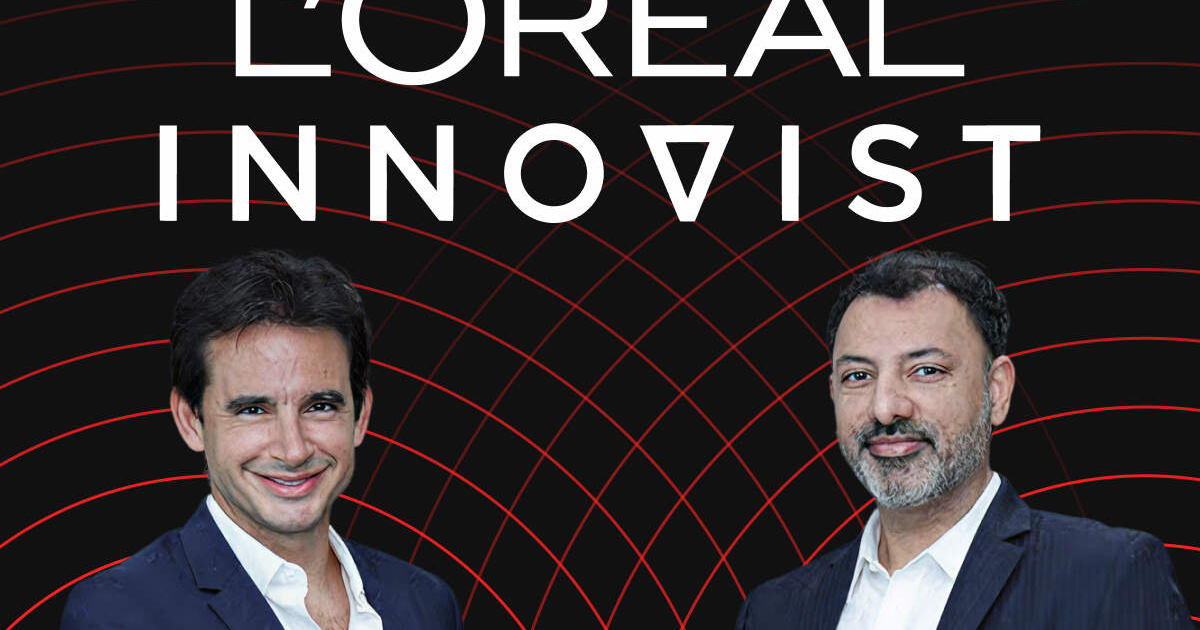
L’Oréal’s acquisition of a majority stake in Innovist marks a watershed moment for India's D2C beauty ecosystem. This deal forces a re-rating of premium personal care players and highlights a strategic shift among global FMCG giants looking to capture India’s aspirational middle class.
The Anatomy of a Landmark Deal
In a move that reverberates far beyond the corridors of private equity, L’Oréal’s acquisition of a majority stake in Innovist represents the largest D2C (Direct-to-Consumer) beauty transaction in India to date. This is not merely an expansion play; it is a fundamental validation of the 'science-led' beauty narrative that has been brewing in the Indian startup ecosystem for half a decade.
By absorbing Innovist—the parent company of brands like Bare Body Essentials and Dr. Sheth’s—L’Oréal is signaling that the Indian consumer has graduated from mass-market, generic FMCG offerings to hyper-specialized, ingredient-focused personal care. The deal creates a new valuation floor for D2C brands that have successfully transitioned from pure-play online entities to omnichannel powerhouses.
Why does this matter for the Indian FMCG sector right now?
The timing of this deal is crucial. With the Indian Beauty and Personal Care (BPC) market projected to hit $30 billion by 2027, global giants are facing a 'growth gap.' Organic growth in legacy brands like L’Oréal Paris or Garnier is stable but lacks the velocity of the agility-first D2C sector. By acquiring Innovist, L’Oréal is effectively buying R&D agility and customer acquisition data that would take years to build in-house.
Historically, we saw a similar trend in 2021-2022 when Unilever and Tata Consumer began aggressive inorganic expansions. The market reacted with a 15-20% valuation premium for companies that could demonstrate a clear 'digital-first' supply chain. This deal confirms that the 'D2C-to-Exit' pipeline is open and functioning, which will likely trigger a surge in M&A activity among smaller, specialized beauty firms.
Stock-by-Stock: Who Wins and Who Faces Headwinds?
1. FSN E-Commerce Ventures (NYKAA)
Impact: Bullish. As the primary platform for premium beauty in India, Nykaa benefits from any consolidation in the sector. Increased brand proliferation on their platform increases their 'take rate' and advertising revenue. If the Innovist deal leads to higher marketing spends from major FMCG players, Nykaa’s ad-tech arm, 'Nykaa Marketing Services,' stands to see significant margin expansion.
2. Honasa Consumer (MAMA)
Impact: Neutral to Bearish. Honasa (Mamaearth) has long been the poster child for D2C beauty. L’Oréal’s aggressive entry into the 'science-led' space creates a direct competitor for Honasa’s premium sub-brands. If global giants start pricing aggressively to capture market share, Honasa may face margin compression to maintain its current growth trajectory.
3. Hindustan Unilever (HINDUNILVR)
Impact: Strategic Watch. HUL has been building its own premium portfolio (e.g., Lakmé, Indulekha). L’Oréal’s move forces HUL to accelerate its own inorganic acquisition strategy. Expect HUL to potentially overpay for smaller, high-growth niche brands to avoid losing shelf space in the digital-first segment.
4. Tata Consumer Products (TATACONSUM)
Impact: Indirect. While not a pure-play beauty player, Tata’s pivot toward a 'house of brands' model makes them a prime candidate to watch. They will likely view this deal as a case study in how to integrate niche D2C assets into a massive distribution network.
The Contrarian Perspective: Bulls vs. Bears
The Bull Case: Proponents argue that this deal is the 'Goldilocks' moment for Indian D2C. It proves that the Indian consumer is ready for high-ticket, high-efficacy beauty products. It also provides a clear exit path for VC-backed startups, which will lead to a fresh influx of capital into the sector.
The Bear Case: Skeptics, however, point to the risk of 'premiumization fatigue.' With inflation impacting the discretionary spend of the middle class, can these high-margin, niche brands sustain their growth if the macro-economic environment cools? Furthermore, the integration risks are immense—history is littered with failed FMCG acquisitions where the 'cool' factor of a startup was suffocated by the bureaucracy of a global giant.
Actionable Investor Playbook
- Watch the Margins: Monitor the EBITDA margins of D2C-heavy FMCG stocks over the next two quarters. If they drop while revenue grows, it indicates a price war.
- Entry Points: Look for dips in platform-play stocks (like Nykaa) rather than the individual brand-owner stocks. Platforms are 'arms dealers' in this war; they profit regardless of which brand wins.
- Time Horizon: This is a 24-36 month play. The consolidation phase is just beginning. Do not expect immediate stock price jumps; wait for the quarterly earnings calls to see how these firms adjust their marketing spend.
Risk Matrix
| Risk Factor | Probability | Impact |
|---|---|---|
| Integration Failure | Medium | High |
| Valuation Bubble Burst | High | Medium |
| Regulatory Scrutiny on E-commerce | Low | High |
What to Watch Next
Investors should look for the Q3 earnings reports from Honasa and Nykaa. Specifically, watch for management commentary regarding 'customer acquisition costs' (CAC). If CAC is rising across the sector, it suggests that the easy growth phase of the D2C market is over, and we are entering a phase of 'profitability-first' competition. Additionally, keep an eye on upcoming IPO filings from other prominent D2C beauty players; their valuation benchmarks will either confirm or refute the excitement surrounding the Innovist deal.
See NYKAA's AI Score
Our algorithmic screener scores NYKAA on fundamentals, momentum, and risk — free to try, no card needed.
Try the AI Screener →Have questions about this story?
Ask Welth, our finance-focused AI research assistant, for a deeper breakdown — free trial included.
Chat with Welth AI →Disclaimer: This content is generated by WelthWest Research Desk based on publicly available reports and is for informational purposes only. It does not constitute financial advice, investment recommendations, or an offer to buy or sell securities. Always consult a qualified financial advisor before making investment decisions.