Key Takeaway
New Delhi's ₹10,000 crore LIC stake sale is a calculated move to unlock global index inclusion and attract passive inflows, signaling a medium-term positive for the BFSI sector despite short-term retail shareholder concerns.
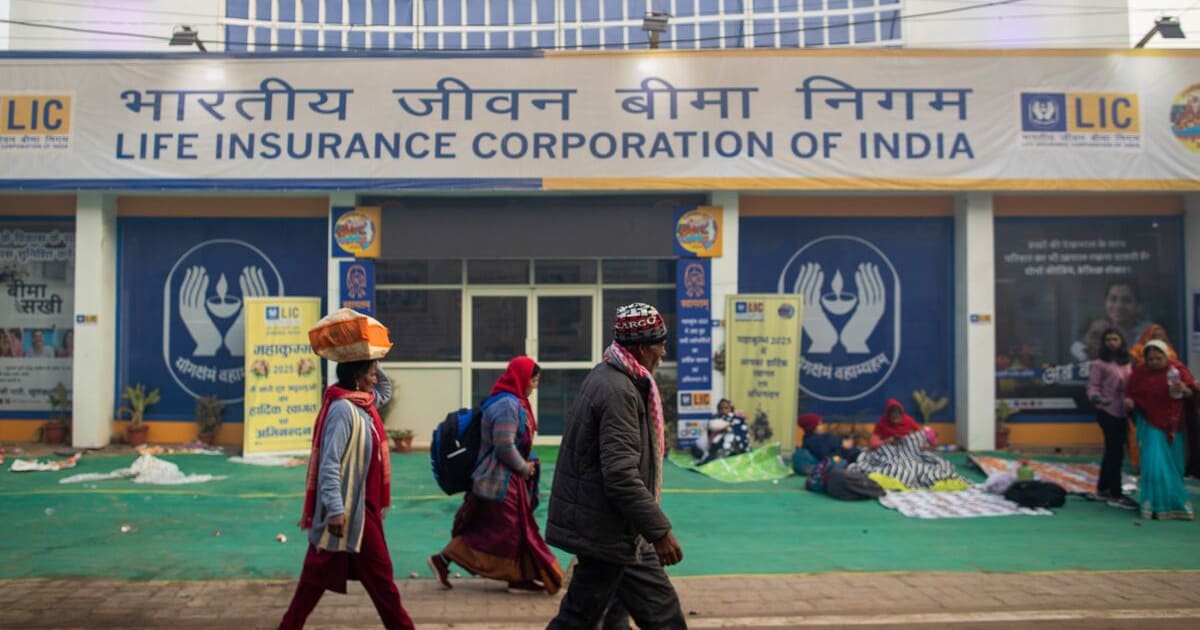
The Indian government is gearing up for a significant stake sale in Life Insurance Corporation of India (LIC), aiming to raise ₹10,000 crore and meet SEBI's public shareholding norms. This strategic divestment is pivotal for LIC's potential inclusion in major global indices, promising substantial long-term capital flows into the Indian market.
LIC Stake Sale: India's Strategic Play for Global Capital Flows
The Government of India is reportedly preparing to divest a substantial stake in the nation's largest insurer, Life Insurance Corporation of India (LIC), in a transaction valued at approximately ₹10,000 crore (around $1.2 billion USD). This move is far more than a routine fiscal maneuver; it represents a critical strategic initiative designed to address regulatory requirements and, more importantly, to pave the way for LIC's enhanced standing within global financial benchmarks. The timing underscores a proactive approach by the government to bolster market liquidity and attract sustained foreign investment into India's burgeoning financial sector.
Why This LIC Stake Sale Matters Now
At its core, the proposed stake sale is driven by two intertwined objectives: compliance and capital attraction. The Securities and Exchange Board of India (SEBI) mandates a minimum public shareholding of 25% for listed entities. LIC, currently hovering below this threshold, needs to significantly increase its free float to adhere to these regulations. Beyond mere compliance, this divestment is a calculated step to enhance LIC's eligibility for inclusion or increase its weightage in influential global equity indices such as the MSCI and FTSE Russell benchmarks. Such inclusion is a powerful catalyst for passive investment inflows, as index-tracking funds are compelled to purchase shares to mirror the index composition. The current market capitalization of LIC stands at approximately ₹5.5 lakh crore, making any stake sale a significant event for the broader Indian stock market, particularly within the BFSI sector.
The urgency is amplified by the current economic climate and India's ambition to solidify its position as a premier investment destination. With global investors increasingly seeking exposure to high-growth emerging markets, enhancing the investability of major domestic players like LIC is paramount. The previous stake sale of LIC in May 2022, which raised ₹21,000 crore, was the largest ever by an Indian insurer and signaled the government's commitment to market reforms. However, the stock has since experienced volatility, and this new sale aims to re-energize investor sentiment and demonstrate progress on regulatory fronts.
Deep Market Impact Analysis: Beyond LIC's Bottom Line
The impending ₹10,000 crore stake sale in LIC is poised to send ripples across the Indian equity landscape, with the BFSI sector bearing the most immediate impact. The primary objective of increasing the public float is to enhance LIC's 'investability' for institutional investors, both domestic and foreign. A larger free float is a prerequisite for inclusion in major global indices, which, if achieved, would lead to substantial passive inflows. For instance, an increase in weightage in the MSCI Emerging Markets Index could trigger billions of dollars in automatic investment into LIC shares from index funds. This would not only benefit LIC but also contribute to overall market liquidity and potentially drive broader market sentiment.
Historically, significant divestments by the government have often been followed by periods of market consolidation or volatility in the short term, followed by a more sustained positive trend if institutional demand materializes. The last time the government conducted a major stake sale in a PSU bank, such as the divestment in Punjab National Bank (PNB) or Bank of Baroda (BOB), the impact on their respective stock prices was closely watched. While initial selling pressure might arise from the increased supply of shares, the long-term implications of enhanced index inclusion and improved governance perception typically outweigh these concerns. The Nifty Bank index, which currently constitutes a significant portion of the broader market, would indirectly benefit from increased investor confidence in the BFSI sector as a whole.
The current P/E ratio of LIC, which has been a point of discussion among analysts, is expected to see some recalibration as the market assesses the implications of a higher free float and potential for greater institutional ownership. If LIC's valuation becomes more attractive to a wider pool of investors, it could also influence the valuation multiples of its private sector peers, creating a more competitive landscape within the life insurance segment.
How Will the RBI Rate Cut Affect Bank Stocks?
While this specific stake sale is not directly tied to Reserve Bank of India (RBI) monetary policy, the broader financial market sentiment is intrinsically linked. A potential rate cut by the RBI in the future would typically boost bank stocks by improving Net Interest Margins (NIMs) and increasing loan demand. However, the immediate focus for bank stocks, including those like HDFC Bank (HDFCBANK) and ICICI Bank (ICICIBANK), remains on asset quality, credit growth, and their ability to navigate the evolving regulatory and economic environment. The LIC stake sale, by injecting liquidity and potentially boosting overall investor confidence in the BFSI sector, could create a more favorable backdrop for banks to benefit from any future monetary easing. The increased investability of LIC might also draw capital away from other BFSI counters in the short term, creating a dynamic shift in sector preferences.
Stock-by-Stock Breakdown: Navigating the Ripple Effect
The primary stock directly impacted by this transaction is, of course, Life Insurance Corporation of India (LICI). The sale, expected to be in the range of 5-7% of the company's equity, will increase the number of shares available for trading, potentially leading to short-term price pressure due to supply overhang. However, the long-term upside hinges on successful index inclusion and the associated passive inflows. Investors will be closely watching the pricing of this offer; a significant discount to the prevailing market price could depress the stock further in the immediate aftermath, while a well-priced issue might be absorbed more smoothly.
Beyond LICI, several other BFSI stocks could experience indirect impacts:
- HDFC Bank (HDFCBANK): As India's largest private sector bank, HDFC Bank's performance is a bellwether for the entire financial sector. Increased confidence in the BFSI space due to LIC's enhanced market positioning could positively influence HDFC Bank's stock. However, if the LIC sale significantly draws liquidity away from other large-cap BFSI stocks in the short term, HDFC Bank might see muted price action.
- ICICI Bank (ICICIBANK): Similar to HDFC Bank, ICICI Bank stands to benefit from a generally stronger BFSI sentiment. Its robust retail loan book and digital initiatives make it a strong contender for investor capital. The key will be whether the LIC sale is perceived as a net positive for the entire sector, thereby lifting all boats, or if it leads to a rotation of capital within BFSI.
- SBI Life Insurance Company (SBILIFE): As a direct competitor to LIC, SBI Life's prospects are closely intertwined. An increase in LIC's public float and potential for greater institutional ownership could put pressure on SBI Life's valuation if investors perceive LIC as becoming a more attractive investment option. Conversely, it might also signal a growing appetite for the life insurance sector as a whole, benefiting all players.
- Axis Bank (AXISBANK): Axis Bank has been undergoing a significant turnaround under its current management, with a focus on retail lending and improved asset quality. A more robust and liquid LIC could indirectly boost investor confidence in the broader financial system, which would be beneficial for Axis Bank. The competition for investor capital will be a key factor to monitor.
- Bajaj Finance (BAJFINANCE): While not a traditional bank, Bajaj Finance is a dominant player in the non-banking financial company (NBFC) space, often grouped with BFSI. Increased liquidity and investor interest in the financial sector could spill over to well-managed NBFCs like Bajaj Finance, provided its own growth trajectory remains strong and its valuation remains competitive.
The success of this sale will also be a test for the investment banks and underwriters involved, such as Kotak Mahindra Capital Company, Jefferies, and SBI Capital Markets, which are likely to be managing the transaction. Their ability to gauge market demand and price the offer effectively will be crucial.
Expert Perspective: Bulls vs. Bears on the LIC Divestment
The market's reaction to the LIC stake sale will likely be bifurcated, with bulls and bears offering contrasting viewpoints. Bulls will emphasize the strategic necessity of the sale for LIC's long-term growth and its potential for inclusion in global indices like MSCI. They will argue that this move signals the government's commitment to market reforms and unlocking value in state-owned enterprises, which should attract sustained foreign institutional investment (FIIs). The increased free float, they contend, will lead to greater price discovery and a more efficient market for LIC's shares, ultimately benefiting all shareholders. Furthermore, the ₹10,000 crore raised could be strategically deployed by the government for infrastructure development or fiscal consolidation, both of which are positive for the broader economy.
On the other hand, bears will highlight the immediate risks associated with a large supply of shares hitting the market. They will point to the potential for a 'supply overhang,' which could depress LICI's stock price in the short to medium term, especially if institutional demand proves weaker than anticipated or if the issue is priced at a steep discount. Some bears might also argue that the government is divesting at an inopportune time, potentially not capturing the full valuation upside. Concerns about LIC's embedded value and the long-term competitive threat from agile private insurers will also be part of their narrative. They might also express skepticism about the immediate impact of index inclusion, noting that it takes time for passive inflows to fully materialize and that market sentiment can be influenced by numerous other global and domestic factors.
Actionable Investor Playbook: Navigating the LIC Stake Sale
For investors, this ₹10,000 crore LIC stake sale presents both opportunities and challenges. A nuanced approach is recommended:
- For LIC Retail Shareholders (Existing): Consider the holding period. If your investment horizon is long-term, the current volatility might be an opportunity to average down, especially if the stock dips significantly post-announcement due to supply overhang. However, be prepared for short-term price fluctuations.
- For New Investors in LICI: Wait for the offer to be priced and the initial market reaction. A well-priced offer with strong institutional subscription would be a positive sign. Monitor the post-offer trading to identify potential entry points, perhaps after the initial supply overhang has been absorbed. A target entry range could be around the issue price, with a stop-loss below if significant selling pressure persists.
- For Investors in Sector Peers (SBILIFE, HDFCBANK, ICICIBANK, AXISBANK): This sale could be a catalyst for increased interest in the BFSI sector. If you are already invested, consider holding your positions, as the overall positive sentiment might lift these stocks. If looking to enter, consider these stocks as proxies for the sector's growth. A slight dip in LIC might see capital rotate into its more established private peers, making them attractive.
- What to Watch: Monitor the pricing of the offer, the subscription levels from institutional investors, and any commentary from index providers regarding LIC's potential inclusion or weightage adjustments.
- Time Horizon: Short-term traders might look to profit from volatility around the offer period. However, the true value unlock is expected in the medium to long term (1-3 years) driven by index inclusion and sustained passive inflows.
Risk Matrix: Potential Headwinds for the LIC Stake Sale
While the strategic intent is clear, the execution of the ₹10,000 crore LIC stake sale is not without its risks:
- Supply Overhang (Probability: Medium-High): The primary risk is that the sheer volume of shares being offered could overwhelm immediate demand, leading to a price correction. If institutional investors show lukewarm interest or demand a significant discount, the stock could trade below the issue price for an extended period.
- Weak Institutional Demand (Probability: Medium): Global market sentiment, geopolitical events, or specific concerns about LIC's valuation or growth prospects could dampen institutional appetite. A poorly subscribed offer would signal a lack of confidence and negatively impact the stock and sector sentiment.
- Regulatory Hurdles/Delays (Probability: Low): While unlikely, any unforeseen regulatory challenges or delays in obtaining necessary approvals could disrupt the sale timeline and create uncertainty.
- Valuation Concerns (Probability: Medium): If the market perceives LIC's current valuation as still too high, even after the stake sale, it could limit the upside potential and attract profit-taking, irrespective of index inclusion.
What to Watch Next: Key Catalysts for LICI and the BFSI Sector
The coming weeks and months will be crucial for assessing the full impact of the LIC stake sale. Investors should keep a close eye on the following:
- Offer Pricing and Subscription Data: The final price at which the shares are sold and the subscription figures, particularly from Qualified Institutional Buyers (QIBs), will be the most immediate indicators of market reception.
- Index Review Announcements: Watch for announcements from MSCI and FTSE Russell regarding their periodic index rebalancing. LIC's inclusion or increased weightage in these indices would be a significant positive catalyst.
- LIC's Quarterly Financial Results: As always, LIC's financial performance, including its embedded value, new business premiums, and profitability, will be critical in justifying its valuation post-sale.
- Broader BFSI Sector Performance: Monitor the performance of key private sector banks and insurers. A sustained rally in these counters would indicate that the LIC sale is indeed boosting overall sector confidence.
- Government's Divestment Pipeline: The success of this sale could pave the way for future divestments, influencing the broader market sentiment towards PSU reforms.
The ₹10,000 crore stake sale in LIC is not just a transaction; it's a strategic pivot. By increasing its public float, India is actively seeking to integrate its largest insurer more deeply into the global financial architecture, a move that promises to be a significant tailwind for the Indian BFSI sector and the broader equity market, provided the execution is flawless and market conditions remain supportive.
See LICI's AI Score
Our algorithmic screener scores LICI on fundamentals, momentum, and risk — free to try, no card needed.
Try the AI Screener →Have questions about this story?
Ask Welth, our finance-focused AI research assistant, for a deeper breakdown — free trial included.
Chat with Welth AI →Disclaimer: This content is generated by WelthWest Research Desk based on publicly available reports and is for informational purposes only. It does not constitute financial advice, investment recommendations, or an offer to buy or sell securities. Always consult a qualified financial advisor before making investment decisions.