Key Takeaway
The potential sale of IKB by Lone Star marks a pivotal shift in private equity strategy. While direct contagion is non-existent, the move signals a broader European capital reallocation that could influence risk appetite for Indian banking assets.
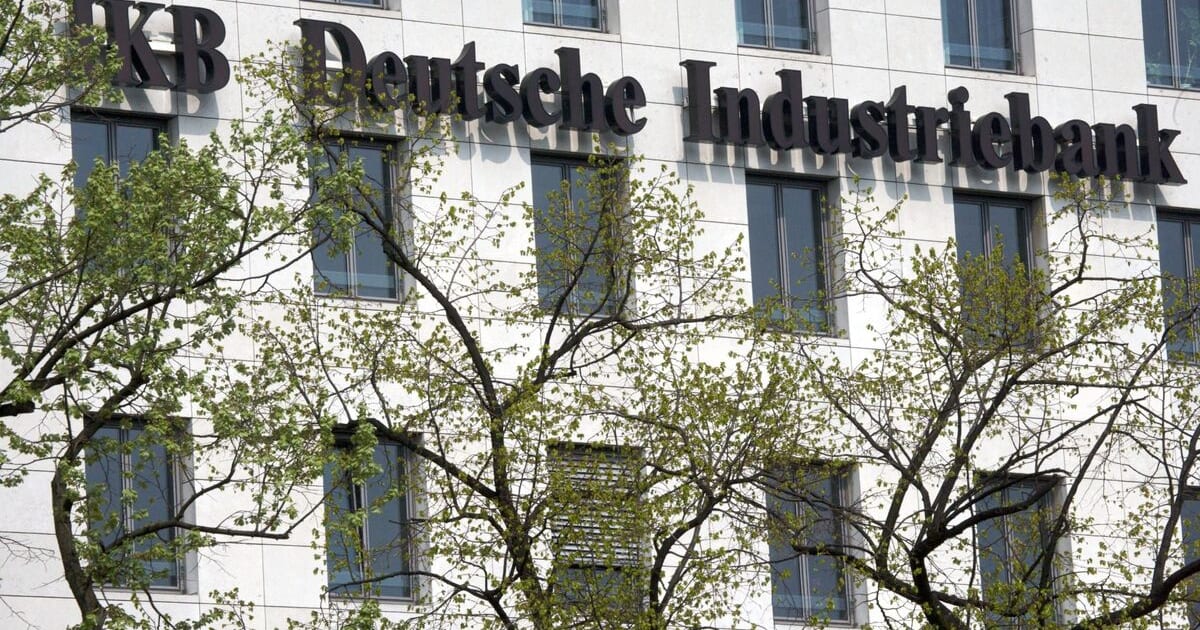
Lone Star Funds is exploring a divestment of German lender IKB after a two-decade tenure. This move highlights a cooling of private equity interest in European legacy banking assets, providing a case study on how global liquidity shifts impact emerging market sentiment.
The End of an Era: Lone Star’s IKB Divestment Strategy
After nearly two decades of ownership, Lone Star Funds is reportedly weighing the sale of IKB Deutsche Industriebank. For the uninitiated, IKB represents a specialized pillar of German industrial finance—a niche banking segment that has faced immense pressure from digital transformation and tightening capital requirements. This potential divestment is not merely an isolated M&A event; it is a signal of a structural shift in how private equity (PE) firms view the risk-adjusted returns of European financial institutions.
For the sophisticated investor, the 'why' is more important than the 'what.' Lone Star’s potential exit suggests that the cost of capital in Europe, coupled with the regulatory burden of the Basel III endgame, is forcing PE firms to pivot. They are shedding legacy assets to free up dry powder for higher-growth sectors, a trend that is already being felt across global financial corridors.
Why Does a German Bank Sale Matter to Indian Investors?
While IKB is a German entity, the global financial ecosystem is deeply interconnected through liquidity channels. When PE giants like Lone Star reallocate capital, they often do so across their entire global portfolio. If the European banking sector is deemed 'ex-growth,' capital flows may be diverted toward emerging markets where credit demand remains robust, such as India. Conversely, if the sale signals a broader risk-off sentiment, we could see a contraction in the FII (Foreign Institutional Investor) inflows that have historically supported the Nifty Bank index.
The Ripple Effect: How European M&A Trends Impact the Nifty Bank
Historically, when European financial institutions undergo significant consolidation or divestment, the correlation to Indian markets is often found in the 'risk-off' trade. During the 2022 European banking jitters, the Nifty Bank index saw a high-beta reaction, dropping approximately 4.2% over a two-week window as global liquidity tightened. This current divestment event is lower in systemic impact but serves as a bellwether for institutional sentiment.
Will Indian Bank Stocks Decouple from Global Volatility?
The Indian banking sector, currently characterized by strong balance sheets and record-low NPAs (Non-Performing Assets), is in a fundamentally different cycle than its European counterparts. However, Indian banks with high FII ownership are susceptible to global margin calls. If global PE firms liquidate European positions to cover liquidity requirements elsewhere, the resulting market volatility often forces a 'sell everything' approach that can temporarily depress the valuations of high-quality Indian lenders.
Stock-by-Stock Breakdown: Indian Banks in the Spotlight
- HDFC Bank (HDFCBANK): With a massive market cap, HDFC Bank remains the primary proxy for FIIs. Any global liquidity squeeze initiated by European divestments usually sees HDFC Bank experience short-term price pressure despite its strong 1.9% ROA.
- ICICI Bank (ICICIBANK): Known for its superior digital transformation, ICICI Bank is often the first to recover from global sell-offs. Its P/E ratio of ~18x remains attractive relative to historical averages.
- State Bank of India (SBIN): As a public sector titan, SBI is less sensitive to global private equity trends but acts as a barometer for domestic systemic stability.
- Kotak Mahindra Bank (KOTAKBANK): Often targeted by foreign funds for its conservative lending practices, any global risk-off sentiment usually leads to consolidation in this counter.
- Axis Bank (AXISBANK): A high-beta play that often reacts sharply to global financial sector sentiment, providing a critical entry point when global markets overreact to European news.
Expert Perspectives: The Bull vs. Bear Case
The Bull Case: Proponents argue that the IKB sale is a non-event. They contend that Indian banking stocks are currently driven by domestic credit growth (15-18% YoY) and RBI’s stable monetary policy, rendering them immune to European legacy asset restructuring.
The Bear Case: Skeptics, however, point to the 'contagion of sentiment.' They argue that if the European financial sector enters a period of prolonged M&A-driven volatility, it will inevitably lead to a reduction in the risk appetite of global allocators, causing a temporary exodus from emerging market financials.
The Actionable Investor Playbook
For investors looking to navigate this period of global uncertainty, we recommend a three-pronged approach:
- Watch the Yields: Monitor the 10-year G-Sec yields. If they spike in response to global volatility, keep cash reserves high.
- Accumulate on Dips: Use any global-led correction in HDFC Bank or ICICI Bank to build long-term positions, as their domestic fundamentals remain decoupled from European stagnation.
- Time Horizon: Maintain a 24-month horizon. Short-term noise regarding IKB or similar European entities will likely be forgotten by the next quarterly earnings season.
Risk Matrix: Assessing the Impact
| Risk Factor | Probability | Impact |
|---|---|---|
| Global Liquidity Squeeze | Medium | High |
| Systemic Contagion | Low | Very High |
| FII Outflows | Medium | Medium |
What to Watch Next
Keep a close eye on the upcoming ECB (European Central Bank) policy statements and any further M&A announcements from Lone Star’s competitors. Specifically, watch for any shifts in Tier-1 capital requirements in the Eurozone, as these will dictate the speed of further European divestments. For Indian investors, the next major catalyst is the RBI’s monetary policy committee meeting, which will provide the domestic counter-narrative to global financial shifts.
Run a free AI Stock Screen
Our algorithmic screener scores any NSE/BSE stock on fundamentals, momentum, and risk — free to try, no card needed.
Try the AI Screener →Have questions about this story?
Ask Welth, our finance-focused AI research assistant, for a deeper breakdown — free trial included.
Chat with Welth AI →Disclaimer: This content is generated by WelthWest Research Desk based on publicly available reports and is for informational purposes only. It does not constitute financial advice, investment recommendations, or an offer to buy or sell securities. Always consult a qualified financial advisor before making investment decisions.
