Key Takeaway
The convergence of sticky food inflation and energy volatility is forcing a fundamental rotation in Indian portfolios. Investors must pivot from consumption-heavy defensives toward export-resilient cash cows to survive the current margin squeeze.
India’s economic resilience is being tested by a volatile global energy landscape and domestic inflation pressures. This report breaks down the winners and losers in the Nifty 50, providing a data-backed strategy for navigating the next two quarters of market uncertainty.
The New Macro Reality: Why India’s Growth Narrative Faces a Stress Test
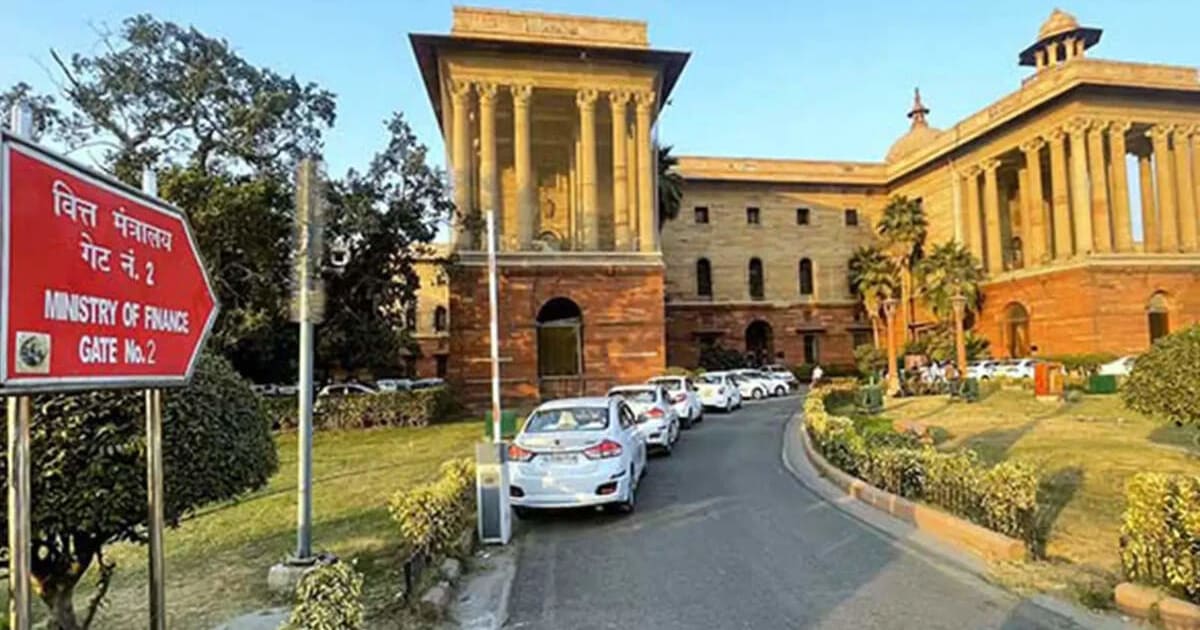
The Indian equity market is currently navigating a complex 'trilemma': the need to sustain domestic consumption, the imperative to manage a widening current account deficit (CAD), and the pressure to maintain export competitiveness amidst global geopolitical instability. As the Finance Ministry emphasizes a 'lithe' policy framework, the reality on the ground—driven by stubborn food inflation and volatile crude oil prices—is creating a divergent path for corporate earnings.
How will rising crude oil prices impact the Nifty 50?
Crude oil is the lifeblood of the Indian economy, with over 80% of requirements met via imports. When Brent prices breach the $85/bbl threshold, the fiscal math changes instantly. Historically, when oil spikes, the INR weakens against the USD, creating a double-whammy: imported inflation and higher input costs for manufacturers. In 2022, a similar supply-side shock triggered a 12% drawdown in Nifty 50 as OMCs saw their marketing margins evaporate overnight.
Sectoral Winners: The Export Shield
When domestic demand faces headwinds, export-oriented sectors act as a hedge. IT Services companies (TCS, INFY) benefit from the currency depreciation, as their costs are largely rupee-denominated while revenues are USD-linked. With P/E ratios currently normalizing near long-term averages, these stocks offer a defensive moat against domestic inflation.
Sectoral Losers: The Consumption Squeeze
FMCG and Auto are the primary victims of the current cycle. Rising input costs for palm oil, wheat, and fuel are forcing companies to either absorb costs—compressing margins—or pass them on to the consumer, which risks stalling volume growth. For firms like HINDUNILVR, the challenge is maintaining market share in an environment where rural consumption is already showing signs of fatigue.
Stock-by-Stock Analysis: Who Stays and Who Goes?
- TCS (NSE: TCS): With a market cap exceeding ₹14 trillion, TCS remains the bedrock of stability. Its high operating margins (approx. 24-25%) provide a buffer against wage inflation.
- INFY (NSE: INFY): As a leader in digital transformation, Infosys is well-positioned to benefit if global clients prioritize cost-optimization projects over speculative tech spending.
- ONGC (NSE: ONGC): As an upstream player, ONGC is a direct beneficiary of elevated global crude prices. Unlike OMCs, they benefit from realization premiums when global benchmarks rise.
- HINDUNILVR (NSE: HINDUNILVR): Facing a 'volume-value' trap. While they maintain pricing power, the current inflationary environment is forcing a shift toward lower-priced SKUs, impacting overall profitability.
- MARUTI (NSE: MARUTI): High exposure to commodity price volatility (steel, aluminum) and a price-sensitive entry-level segment makes margins particularly vulnerable to rising logistics and raw material costs.
- INDIGO (NSE: INDIGO): Aviation is the most exposed sector to fuel price volatility. With ATF (Aviation Turbine Fuel) costs constituting ~40% of operating expenses, any sustained spike in oil prices directly impacts net profit margins.
Expert Perspective: Bulls vs. Bears
The Bulls argue that India’s structural shift toward services and the RBI’s proactive inflation targeting will allow the market to 'outrun' the macro headwinds. The Bears, however, point to the P/E expansion of the last 18 months, suggesting that current valuations have not priced in a prolonged period of high interest rates and stagnant rural demand.
Actionable Investor Playbook
Strategic Allocation: Reduce exposure to high-beta, consumption-linked stocks (Auto/FMCG) where margins are sub-15%. Increase allocations to IT services and upstream energy as a hedge against currency weakness.
Entry Points: Look for 'Quality at a Reasonable Price' (GARP). Avoid chasing stocks trading at 50x+ P/E. Wait for a 5-7% correction in the Nifty 50 to accumulate blue-chip IT and energy stocks.
Risk Matrix
| Risk Factor | Probability | Impact |
|---|---|---|
| Sustained $90+ Oil Price | Medium | High |
| Persistent Food Inflation | High | Medium |
| Global Supply Chain Disruption | Medium | High |
What to Watch Next
Keep a close eye on the upcoming RBI Monetary Policy Committee (MPC) meeting minutes. The commentary on 'liquidity management' will be the primary catalyst for market direction. Furthermore, monitor the Q3 earnings season for management commentary on 'volume growth'—a key indicator of whether the consumption slowdown is structural or transitory.
See TCS's AI Score
Our algorithmic screener scores TCS on fundamentals, momentum, and risk — free to try, no card needed.
Try the AI Screener →Have questions about this story?
Ask Welth, our finance-focused AI research assistant, for a deeper breakdown — free trial included.
Chat with Welth AI →Disclaimer: This content is generated by WelthWest Research Desk based on publicly available reports and is for informational purposes only. It does not constitute financial advice, investment recommendations, or an offer to buy or sell securities. Always consult a qualified financial advisor before making investment decisions.