Key Takeaway
The prolonged global memory chip deficit, now projected through 2028, signifies sustained demand and potential price appreciation. This creates a complex landscape for India's tech sector, favoring chip manufacturers and IT services firms while posing challenges for electronics assemblers.
A deep dive into the extended global memory chip shortage reveals significant implications for India's technology ecosystem. With buyer commitments solidifying future demand, expect ripple effects across the NSE and BSE. This analysis pinpoints the winners and losers in the Indian market.
The Unfolding Memory Chip Crisis: A 2028 Horizon for Shortages
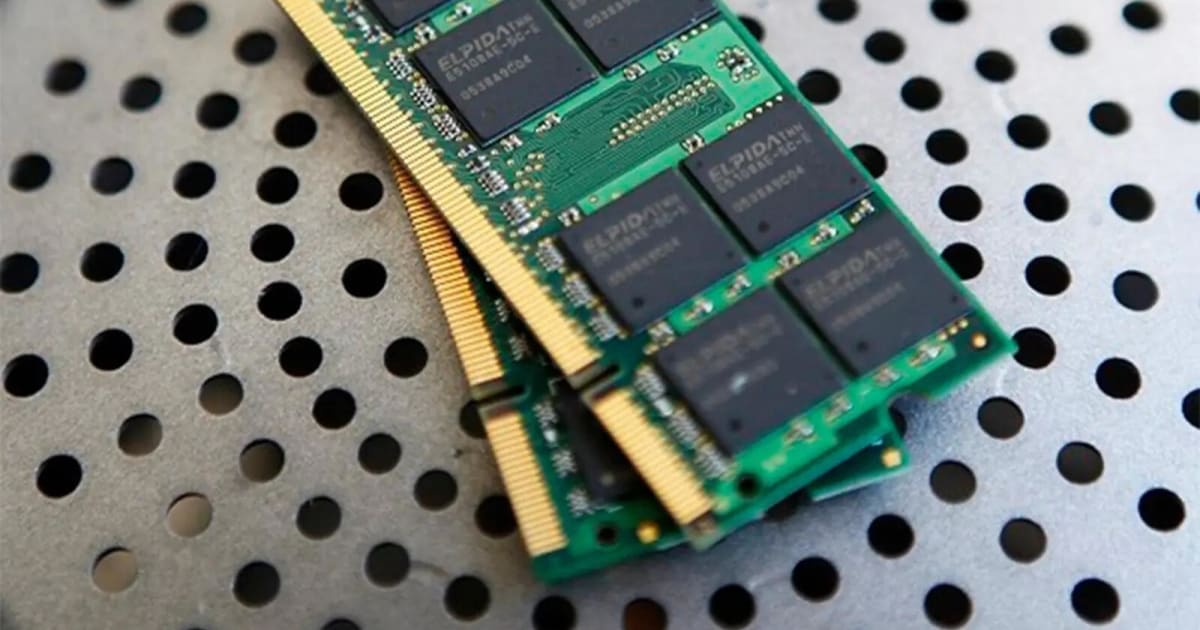
The global semiconductor industry, a linchpin of modern technology, is bracing for an extended period of scarcity in memory chips. Projections now indicate that the current deficit, a phenomenon driven by a confluence of surging demand and constrained supply, is likely to persist through 2028. This isn't a fleeting imbalance; it's a structural shift underscored by significant forward-looking commitments from major buyers, effectively locking in demand and signaling robust, sustained market conditions for memory chip manufacturers. The implications for the broader electronics ecosystem, and critically for the Indian stock market, are profound and multifaceted.
Why This Memory Deficit Matters Now
At its core, this prolonged shortage translates to sustained pricing power for memory chip producers. Buyers, anticipating continued tight supply, are securing future production capacity, a move that typically leads to stable or escalating prices for essential components like DRAM and NAND flash memory. For India, this presents a dual-edged sword. Domestic electronics manufacturers, heavily reliant on imported memory chips, will likely face increased input costs, potentially squeezing margins and impacting the competitiveness of finished goods. Conversely, India's burgeoning IT services sector, a global powerhouse, could indirectly benefit. If global enterprises continue their digitalization initiatives and invest in IT infrastructure despite higher hardware expenses, Indian IT service providers might see sustained demand for their expertise. This situation echoes past supply chain disruptions, but the projected longevity of this deficit sets it apart, demanding a strategic reassessment of market dynamics.
Deep Market Impact Analysis: Connecting Global Trends to India's Bourses
The ramifications of a persistent global memory chip deficit are far-reaching, particularly for an economy like India's, which is rapidly integrating into global technology value chains. The National Stock Exchange (NSE) and Bombay Stock Exchange (BSE) are poised to reflect these shifts, with specific sectors experiencing divergent impacts. The Technology sector, a broad umbrella encompassing hardware, software, and services, will be at the forefront of this analysis. Investors must discern between companies that produce critical components and those that assemble or consume them. The current environment suggests a premium on supply chain resilience and the ability to forecast demand accurately. This is a stark contrast to periods of oversupply, such as the memory glut experienced in early 2022, which saw significant price corrections and stock market volatility for semiconductor-related entities. The current scarcity, however, points towards a prolonged period of favorable conditions for producers.
India's own journey towards semiconductor self-reliance, while ambitious, is still in its nascent stages. Therefore, the immediate impact will be felt through imported components. Companies that have secured long-term supply agreements or possess robust inventory management will be better positioned. The broader economic context is also crucial; a significant global economic slowdown could dampen demand for electronics, potentially mitigating the price-increasing effects of the deficit. However, the persistent buyer commitments suggest that demand, particularly for enterprise and data center applications, remains robust. This creates a scenario where the cost of hardware might rise, but the underlying need for computing power continues to grow.
How Will the Memory Chip Shortage Affect Indian IT Services Stocks?
The impact on Indian IT services companies is nuanced. On one hand, escalating hardware costs, including memory chips, could lead global corporations to scrutinize their IT spending. This might result in a slowdown in new project initiations or a push for cost optimization. However, the counter-argument, and perhaps the more dominant one given current trends, is that the digital transformation imperative remains strong. Companies are investing in cloud migration, artificial intelligence, data analytics, and cybersecurity, all of which require substantial computing power. Even with higher component costs, the strategic importance of these investments often outweighs the immediate expense. Therefore, IT services firms that cater to these high-growth areas and demonstrate strong execution capabilities are likely to see sustained, or even increased, demand for their services. Their ability to manage project costs and deliver value will be paramount. Companies like Tata Consultancy Services (TCS), Infosys, Wipro, and HCLTech, with their vast global client bases and diverse service portfolios, are well-positioned to navigate this landscape, provided they can effectively manage the indirect cost pressures on their clients' IT budgets.
Stock-by-Stock Breakdown: Navigating the Indian Tech Landscape
The projected longevity of the memory chip deficit necessitates a granular look at specific Indian companies. The winners are likely to be those directly or indirectly involved in the production of memory components or those whose business models benefit from high hardware costs for their clients. Conversely, companies that are heavily reliant on affordable consumer electronics components or operate on thin margins will face significant headwinds.
- Dixon Technologies (India) Ltd. (NSE: DIXON): As a leading electronics manufacturing services (EMS) provider in India, Dixon is directly exposed to component costs. While the company's scale and long-standing relationships with global brands offer some buffer, higher memory chip prices will inevitably increase its input costs. Its ability to pass these costs onto clients or negotiate favorable terms will be crucial. The company's stock, which has seen significant growth, might face pressure if margin erosion becomes a concern. However, its role in India's manufacturing push could also provide strategic advantages. Its current market capitalization of approximately ₹70,000 crore and a trailing P/E ratio of around 60x reflect high growth expectations that could be tested.
- Amber Enterprises India Ltd. (NSE: AMBER): Similar to Dixon, Amber Enterprises, another prominent player in the Indian EMS sector, will contend with elevated component expenses. Its focus on air conditioners, lighting, and other consumer durables means it's a significant consumer of electronic components, including memory. The impact will be contingent on its pricing power within its respective product categories and its supply chain agility. Market cap around ₹12,000 crore with a P/E of roughly 55x indicates investor confidence in its growth trajectory, which the chip shortage could challenge.
- Tata Consultancy Services Ltd. (NSE: TCS): A bellwether for the Indian IT services sector, TCS stands to benefit indirectly. As global enterprises continue to invest in digital transformation and cloud infrastructure, the demand for TCS's comprehensive IT solutions remains robust. While clients might face higher hardware costs, the strategic imperative to modernize and enhance efficiency often trumps immediate component price fluctuations. TCS's strong financial health, market capitalization exceeding ₹14 lakh crore, and a P/E of around 28x suggest a resilient business model capable of absorbing indirect cost pressures.
- Infosys Ltd. (NSE: INFY): Another IT services giant, Infosys is similarly positioned to capitalize on sustained global IT spending. Its focus on digital services, cloud, and AI aligns with key growth drivers that are less susceptible to short-term hardware cost increases. The company's market capitalization of approximately ₹6.5 lakh crore and a P/E of about 25x reflect a stable, growth-oriented outlook. The memory chip shortage, in this context, becomes a background factor rather than a direct impediment to its core business.
- HCL Technologies Ltd. (NSE: HCLTECH): HCLTech's diversified service offerings, including digital transformation, engineering, and cloud services, place it favorably. While the company might see some pressure on IT hardware budgets of its clients, its strong presence in enterprise software and infrastructure services ensures continued demand. With a market cap around ₹3.5 lakh crore and a P/E of approximately 24x, HCLTech offers a compelling proposition in the current market.
- Syrma SGS Technology Ltd. (NSE: SYRMA): This company, involved in PCB (Printed Circuit Board) assembly and manufacturing, is a critical part of the electronics value chain. While not a direct memory chip producer, its business is intrinsically linked to the availability and cost of components. Increased costs for memory chips and other semiconductors could impact its production volumes and pricing. Its market cap of roughly ₹12,000 crore and a P/E of around 60x suggest it's priced for growth, which could be tempered by supply chain issues.
Expert Perspective: Bears vs. Bulls on the Memory Chip Outlook
The prevailing sentiment around the memory chip market is cautiously optimistic, but dissenting views offer valuable counterpoints. Bulls argue that the sustained demand, evidenced by buyer commitments and the relentless pace of digital transformation, will continue to drive prices higher for memory chips. They point to the cyclical nature of the semiconductor industry, suggesting that the current shortage is a natural correction after a period of oversupply and that the long-term demand trajectory remains upward. For Indian IT services companies, bulls foresee a scenario where clients, despite higher hardware costs, will continue to invest in technology to maintain competitive advantage, thereby fueling demand for outsourcing. The bull case for EMS providers like Dixon and Amber hinges on their ability to secure supply and pass on costs, leveraging their critical role in India's 'Make in India' initiative.
Conversely, bears express concern over the potential for a global economic downturn to significantly curtail electronics demand, thereby negating the impact of the supply deficit on prices. They highlight the inherent volatility of the semiconductor market and the risk of overcapacity emerging if current high prices incentivize rapid capacity expansion, leading to another glut. For EMS companies, bears emphasize the vulnerability to input cost inflation and the potential for clients to delay or reduce orders if consumer spending falters. In the IT services space, bears might argue that clients, facing their own cost pressures, will aggressively negotiate service contracts or delay discretionary projects, impacting revenue growth for Indian IT firms. They might also point to the increasing competition and commoditization of certain IT services, which could limit pricing power.
Actionable Investor Playbook: Strategic Moves in a Tight Market
Navigating the extended memory chip deficit requires a strategic approach, focusing on resilience, growth drivers, and risk mitigation. Investors should consider a diversified approach, balancing exposure to potential beneficiaries and those facing headwinds.
- Buy: Indian IT Services Giants (TCS, Infosys, HCLTech): These companies are well-positioned to benefit from sustained global IT spending. Their strong balance sheets, diversified service offerings, and established client relationships provide a buffer against economic uncertainties. Aim for entry points on any minor dips, with a long-term investment horizon of 3-5 years, expecting consistent revenue growth and potential dividend payouts.
- Watch Closely: EMS Providers (Dixon Technologies, Amber Enterprises): These companies are at the nexus of supply and demand. While they face cost pressures, their role in India's manufacturing ecosystem is strategic. Investors should monitor their quarterly results for signs of margin stability, their ability to secure long-term supply contracts, and their pricing power. A P/E ratio above 50x suggests high growth expectations, so any indication of margin compression could lead to a significant correction. Consider accumulating positions on substantial price corrections (e.g., 15-20% drops) if supply chain visibility improves.
- Consider: Companies with Strong Supply Chain Management: Beyond the direct beneficiaries, look for companies across sectors that have demonstrated exceptional supply chain resilience and inventory management. These might include certain automotive ancillaries or industrial manufacturing firms that have proactively hedged against component shortages.
- Avoid/Short: Companies with High Inventory of Older Chips: Businesses heavily reliant on older memory technologies that face obsolescence risk or significant inventory write-downs should be avoided. Similarly, consumer electronics manufacturers with extremely tight margins and limited ability to absorb cost increases are also high-risk.
What to Watch Next: Catalysts and Data Releases
The evolution of the memory chip market and its impact on Indian equities will be shaped by several key catalysts in the coming months:
- Quarterly Earnings Reports (Q4 FY24/Q1 FY25): These will provide the first concrete data points on how companies are managing component costs and passing them on to customers. Pay close attention to commentary on supply chain dynamics and future demand outlook.
- Global Economic Indicators: Key data releases on inflation, interest rates, and GDP growth from major economies (US, Europe, China) will influence overall electronics demand.
- Semiconductor Industry Association (SIA) and Gartner Reports: These industry bodies regularly publish forecasts for semiconductor demand and supply. Any revisions to their long-term projections for memory chips will be critical.
- Government Policy Announcements (India & Global): Developments in semiconductor manufacturing incentives, trade policies, and geopolitical tensions can significantly alter supply chain dynamics.
Risk Matrix: Navigating the Uncertainties
While the outlook presents opportunities, significant risks remain that could alter the projected trajectory:
- Geopolitical Tensions (Probability: Medium-High): Escalating conflicts or trade disputes, particularly involving key semiconductor manufacturing regions or raw material suppliers, could lead to further supply chain disruptions and price spikes.
- Global Economic Slowdown (Probability: Medium): A sharper-than-expected global recession would depress demand for electronics across consumer and enterprise segments, potentially overwhelming the supply deficit's price support.
- Rapid Technological Obsolescence (Probability: Low-Medium): While less likely for core memory types, unforeseen leaps in alternative storage technologies could theoretically reduce demand for current memory chip architectures over the very long term, though this is unlikely to impact the 2028 horizon.
- Over-Investment in Capacity (Probability: Medium): Sustained high prices might incentivize chipmakers to aggressively expand production capacity. If this expansion outpaces demand growth, it could lead to a future oversupply scenario, though current buyer commitments suggest this is less likely in the immediate to medium term.
The global memory chip deficit, projected to extend through 2028, is not merely a technical market phenomenon; it's a significant economic driver with tangible implications for India's technology sector. By understanding the intricate connections between global supply, demand, and the specific vulnerabilities and strengths of Indian companies, investors can position themselves strategically to capitalize on the opportunities and mitigate the risks in this evolving landscape.
Run a free AI Stock Screen
Our algorithmic screener scores any NSE/BSE stock on fundamentals, momentum, and risk — free to try, no card needed.
Try the AI Screener →Have questions about this story?
Ask Welth, our finance-focused AI research assistant, for a deeper breakdown — free trial included.
Chat with Welth AI →Disclaimer: This content is generated by WelthWest Research Desk based on publicly available reports and is for informational purposes only. It does not constitute financial advice, investment recommendations, or an offer to buy or sell securities. Always consult a qualified financial advisor before making investment decisions.