Key Takeaway
Geopolitical risk in the Middle East creates a 'flight-to-safety' mandate. Investors should pivot toward energy and defense hedges while bracing for volatility in FII-heavy large-caps and consumption-linked sectors.
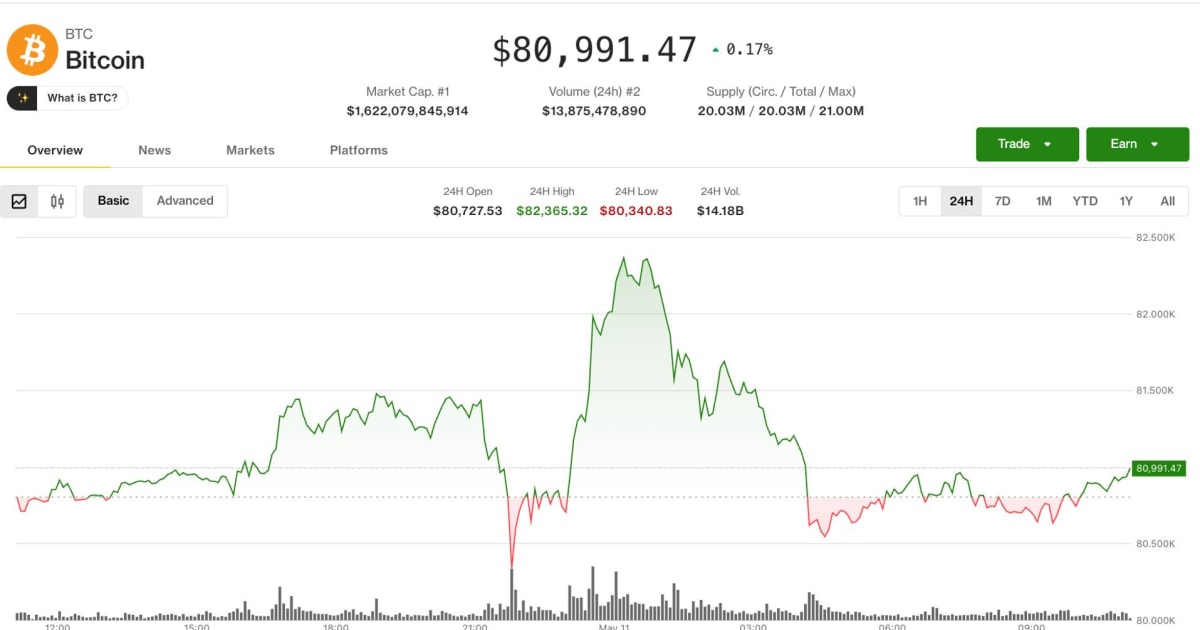
Escalating tensions in the Middle East have triggered a global risk-off sentiment, pressuring Indian equities and crypto assets. We analyze the impact on oil, defense, and aviation sectors, providing an actionable playbook for navigating this period of heightened volatility.
The Geopolitical Shift: Why Markets Are Pivoting to Safety
The sudden escalation in Middle Eastern hostilities has sent shockwaves through global financial markets, effectively ending the 'soft landing' optimism that defined the previous quarter. For the Indian investor, this is not merely a headline event; it is a fundamental shift in the macroeconomic risk matrix. As capital retreats from high-beta assets—including cryptocurrencies and emerging market equities—the Indian benchmark indices are facing a dual threat: the specter of imported inflation via crude oil and the reality of Foreign Institutional Investor (FII) outflows seeking refuge in the USD and gold.
How will the Middle East conflict affect Indian market liquidity?
History provides a sobering template. During the 2022 onset of the Russia-Ukraine conflict, the Nifty 50 experienced a sharp 5-7% drawdown within the first three weeks as investors priced in a supply-side shock. Today, the correlation between Brent crude and the Indian Rupee (INR) is at a multi-year high. Every $10 rise in oil prices typically adds approximately 30-40 basis points to India’s Current Account Deficit (CAD). When the CAD widens, the RBI faces the unenviable choice of intervening in currency markets to defend the Rupee, which drains rupee liquidity, or allowing depreciation, which fuels inflation. For institutional players, this volatility is a signal to reduce exposure to large-cap stocks with high FII ownership, such as HDFC Bank or ICICI Bank, which serve as the primary liquidity buckets for foreign funds seeking to raise cash quickly.
Sector-Level Analysis: Winners and Losers
The market reaction to geopolitical instability is rarely uniform. Instead, it creates a bifurcation between 'defense' assets and 'vulnerability' assets.
- The Energy Paradox: While upstream companies benefit from higher realizations, Oil Marketing Companies (OMCs) are caught in a pincer movement. They cannot fully pass on the cost of crude to consumers due to political pressures, leading to margin compression.
- Defense Sovereignty: As global tensions rise, the 'security premium' increases. Indian defense manufacturers are increasingly viewed as essential strategic assets, decoupled from the broader economic growth cycle.
- Aviation Vulnerability: Fuel costs constitute roughly 40% of an airline's operating expenditure. A sustained spike in crude prices directly threatens the bottom line of carriers like InterGlobe Aviation (IndiGo), making them the most vulnerable to sentiment-led sell-offs.
Stock-by-Stock Breakdown
ONGC (NSE: ONGC) & OIL (NSE: OIL): These upstream giants are the primary beneficiaries of a crude spike. With higher net realizations per barrel, their EBITDA margins are expected to expand. Investors should look for entry points on dips, as these stocks provide a natural hedge against inflation.
HAL (NSE: HAL) & BEL (NSE: BEL): As India pivots toward domestic defense manufacturing, these companies enjoy a robust order book. With P/E ratios that have historically remained elevated due to long-term visibility, they represent a 'buy on weakness' candidate during market-wide corrections.
HPCL (NSE: HPCL) & IOCL (NSE: IOCL): These OMCs face significant headwinds. Investors should be cautious; while dividend yields may look attractive, the potential for under-recoveries during a crude price spike makes these stocks high-risk during volatile periods.
The Expert Debate: Bulls vs. Bears
The bullish camp argues that India’s domestic consumption story is structurally resilient and that any dip caused by external geopolitical noise is a generational buying opportunity. They point to India’s record forex reserves, currently near $670 billion, as a sufficient buffer against currency volatility. Conversely, the bearish perspective emphasizes the valuation trap. With the Nifty trading at a forward P/E of roughly 22x, there is little room for error. If crude stays above $90/barrel for a sustained period, the RBI will be forced to maintain a 'higher-for-longer' interest rate stance, which would further compress valuation multiples across the board.
Actionable Investor Playbook
- Defensive Rebalancing: Shift 10-15% of your portfolio into gold ETFs or precious metal mining stocks to mitigate currency depreciation risks.
- Avoid High-Beta Crypto: Liquidity is fleeing speculative assets. Maintain a 'wait and see' approach on crypto-linked equities until global risk appetite stabilizes.
- Monitor the RBI: Watch the next Monetary Policy Committee (MPC) commentary. If the language shifts toward 'inflationary risks' rather than 'growth,' reduce exposure to interest-rate-sensitive sectors like real estate and NBFCs.
Risk Matrix
| Risk Factor | Probability | Impact |
|---|---|---|
| Sustained $100+ Crude Oil | Medium | High |
| Massive FII Outflow (>₹50k Cr) | Medium | High |
| RBI Monetary Tightening | High | Medium |
What to Watch Next
Keep a close watch on the upcoming US CPI data releases and the monthly OPEC+ production quota meetings. These will be the primary catalysts for oil price movements. Additionally, monitor the FII flow data on the NSE website; a sustained net-selling streak exceeding 10 consecutive sessions is a technical signal that the 'flight-to-safety' trade has become a dominant trend that will likely override domestic fundamental strength in the short term.
See ONGC's AI Score
Our algorithmic screener scores ONGC on fundamentals, momentum, and risk — free to try, no card needed.
Try the AI Screener →Have questions about this story?
Ask Welth, our finance-focused AI research assistant, for a deeper breakdown — free trial included.
Chat with Welth AI →Disclaimer: This content is generated by WelthWest Research Desk based on publicly available reports and is for informational purposes only. It does not constitute financial advice, investment recommendations, or an offer to buy or sell securities. Always consult a qualified financial advisor before making investment decisions.