Key Takeaway
The US-Iran escalation transforms the macro landscape for India from 'growth-focused' to 'defensive-oriented.' Investors should rotate out of oil-heavy consumers and into domestic energy producers and defense contractors to hedge against persistent inflation.
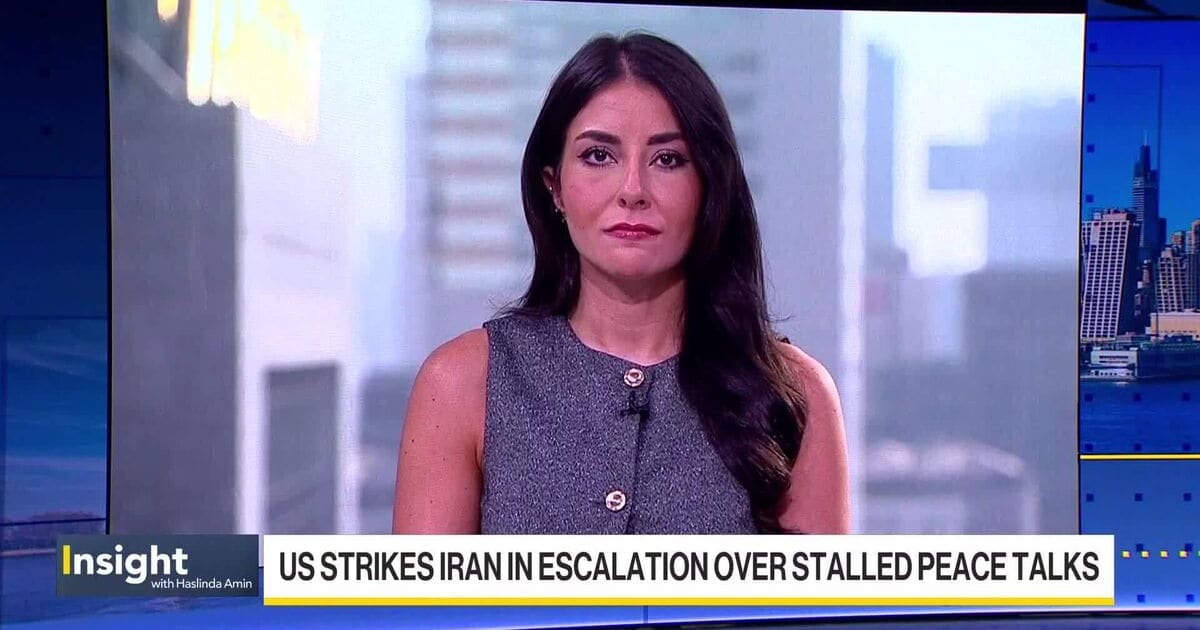
Geopolitical volatility in the Middle East is threatening global supply chains, pushing Brent crude higher, and forcing a recalibration of India’s economic outlook. This report analyzes the direct impact on Nifty 50 constituents, the RBI’s interest rate trajectory, and identifies tactical winners and losers in the current market environment.
The Geopolitical Pivot: Why the Middle East Matters for Nifty
The recent intensification of US military action against Iran marks a structural shift in the global risk appetite. For the Indian economy, which imports over 85% of its crude oil requirements, the Middle East is not just a geopolitical theatre—it is the primary determinant of our current account deficit (CAD) and retail inflation.
When Brent crude prices spike, the impact on India is twofold: it creates an immediate drag on the balance of payments and forces the Reserve Bank of India (RBI) to maintain a hawkish stance to defend the Rupee. Historically, during the 2022 energy crisis, the Nifty 50 saw a 12% drawdown over three months as retail inflation breached the 7% mark. We are currently observing similar precursors: rising freight insurance costs and a tightening of global liquidity as investors flock to safe-haven assets.
How will the India-Middle East oil supply chain disruption affect inflation?
The primary transmission mechanism is the 'Imported Inflation' channel. Every $10 increase in the price of a barrel of crude oil adds approximately 40-50 basis points to India's CPI inflation. If this conflict leads to a sustained disruption in the Strait of Hormuz, we expect a rapid pass-through to fuel prices, which will inevitably weigh on the margins of manufacturing and logistics companies.
Sectoral Breakdown:
- Energy Producers (Winners): Upstream companies benefit from higher realisations per barrel.
- OMCs (Losers): Oil Marketing Companies (IOCL, BPCL, HPCL) face a 'margin squeeze' as they are often politically pressured to absorb price hikes, leading to under-recoveries.
- Aviation (Losers): Aviation Turbine Fuel (ATF) accounts for nearly 40% of operational costs for carriers like IndiGo.
Deep Dive: Stock-by-Stock Analysis
The Winners: Upstream and Defence
ONGC (BSE: 500312) & OIL (BSE: 533106): These upstream players are direct beneficiaries of elevated crude prices. With ONGC currently trading at a P/E of ~7x, the market has yet to fully price in the sustained earnings growth resulting from global supply tightening. Expect robust dividend yields as cash flows improve.
HAL (BSE: 543447) & BEL (BSE: 500049): Geopolitical instability acts as a permanent tailwind for the defence sector. As India accelerates its indigenous procurement budget to insulate against global supply chain shocks, HAL and BEL are positioned for long-term CAGR growth exceeding 15%.
The Losers: OMCs and High-Consumption Sectors
BPCL, HPCL, IOCL: These stocks are currently 'value traps.' While their P/E ratios appear low (often below 5x), they are highly vulnerable to government intervention. If Brent stays above $90/bbl, these OMCs will see their marketing margins evaporate.
InterGlobe Aviation (IndiGo): The stock is highly sensitive to the INR/USD exchange rate and crude prices. A double-whammy of a weaker Rupee and costlier fuel will likely trigger a contraction in earnings multiples in the coming quarter.
Expert Perspective: The Bull vs. Bear Debate
The Bear Argument: The conflict is a 'black swan' that will derail India's consumption story. Bulls are ignoring the lag effect of interest rates; if the RBI keeps rates 'higher for longer' to combat imported inflation, the credit growth of the banking sector will decelerate, causing a broader market correction.
The Bull Argument: India's structural growth story remains intact. The current volatility is a buying opportunity for high-quality domestic cyclicals. The resilience of the domestic retail investor base (SIP inflows) will act as a floor for the Nifty, preventing a catastrophic sell-off even if FIIs pull capital to seek safety in US Treasuries.
Actionable Investor Playbook
Investors should adopt a 'Barbell Strategy' to navigate the current volatility:
- Defensive Allocation: Increase exposure to Gold ETFs and domestic energy producers (ONGC/OIL) to offset portfolio beta.
- Trim Exposure: Reduce weightings in Paint and Chemical manufacturers (e.g., Asian Paints) which rely heavily on crude-derived feedstocks.
- Time Horizon: Shift to a 12-24 month horizon. Do not attempt to time the exact bottom of the market during geopolitical headline-driven panics.
Risk Matrix
| Risk | Probability | Impact |
|---|---|---|
| Sustained $100+ Brent Crude | Moderate | High |
| RBI Rate Hike (25-50 bps) | High | Moderate |
| FII Outflow > ₹50,000 Cr | Moderate | High |
What to Watch Next
Keep a close eye on the RBI Monetary Policy Committee (MPC) meeting minutes, as they will indicate the central bank's tolerance for currency depreciation. Furthermore, monitor Weekly Crude Inventory Data released by the US EIA; any surprise drawdowns will likely serve as the next catalyst for a price spike in the energy sector.
See ONGC's AI Score
Our algorithmic screener scores ONGC on fundamentals, momentum, and risk — free to try, no card needed.
Try the AI Screener →Have questions about this story?
Ask Welth, our finance-focused AI research assistant, for a deeper breakdown — free trial included.
Chat with Welth AI →Disclaimer: This content is generated by WelthWest Research Desk based on publicly available reports and is for informational purposes only. It does not constitute financial advice, investment recommendations, or an offer to buy or sell securities. Always consult a qualified financial advisor before making investment decisions.
