Key Takeaway
The Iran-US geopolitical friction is not just a headline; it is a structural threat to India’s Current Account Deficit. Investors must pivot from consumption-heavy sectors toward energy-resilient and defense-oriented equities to hedge against a prolonged inflationary cycle.
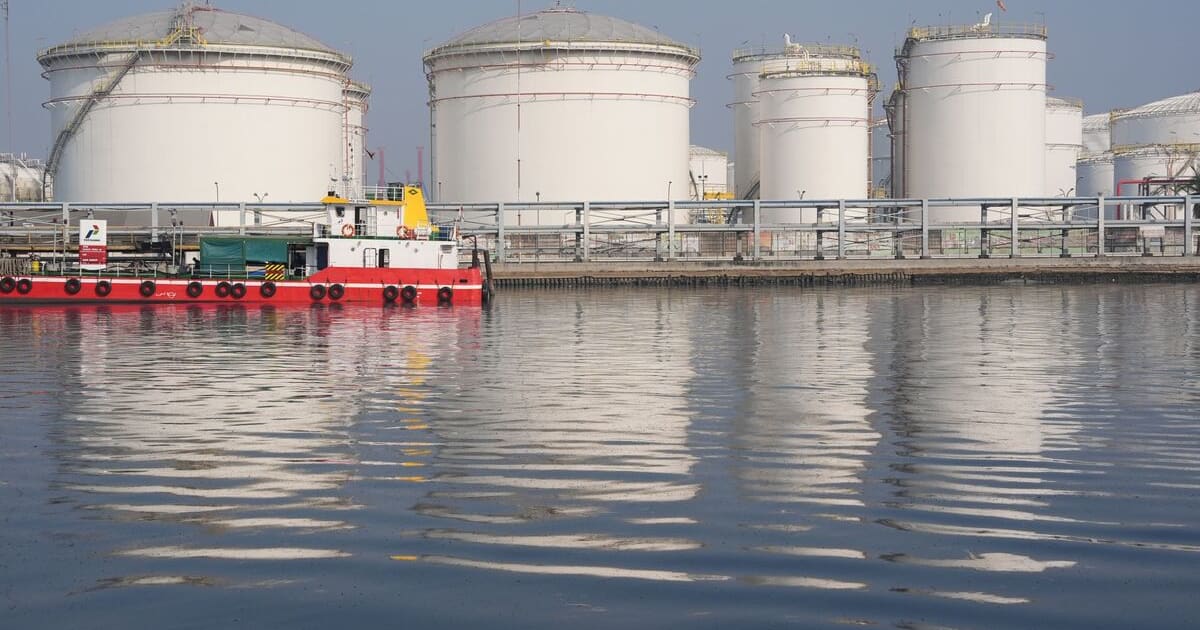
Escalating US-Iran tensions have sent crude oil prices into a tailspin, jeopardizing India's macro-stability. This deep dive examines the ripple effects on inflation, interest rates, and specific market sectors, providing a roadmap for navigating the ensuing volatility.
The Strait of Hormuz: A Global Chokepoint and the Indian Macro-Outlook
The geopolitical equilibrium in the Middle East is currently under unprecedented strain. With the Strait of Hormuz—a narrow waterway handling roughly 20% of the world’s daily petroleum consumption—at the center of US-Iran hostilities, the global energy market is experiencing a classic supply-side shock. For India, a nation that imports over 85% of its crude oil requirements, this is not merely a geopolitical nuisance; it is a systemic risk to the Current Account Deficit (CAD) and the Reserve Bank of India’s (RBI) monetary policy mandate.
Historically, energy price spikes act as a direct tax on the Indian economy. When oil prices breach the $85-$90 per barrel threshold, the pass-through effect to the Wholesale Price Index (WPI) and subsequently the Consumer Price Index (CPI) is inevitable. During the 2022 energy crisis, the Nifty 50 experienced a drawdown of approximately 8-10% in the immediate aftermath of supply concerns, as foreign institutional investors (FIIs) retreated to safe-haven assets.
How will the RBI’s interest rate stance impact Indian bank stocks?
The RBI finds itself in a precarious position. Higher oil prices fuel domestic inflation, forcing the central bank to maintain a hawkish stance for longer than previously anticipated. This 'higher-for-longer' interest rate environment increases the cost of capital for Indian corporates, suppressing earnings growth and compressing P/E multiples across the broader market.
Bank stocks, particularly those with high exposure to corporate credit, face a dual challenge: a potential slowdown in loan growth due to rising borrowing costs and the risk of asset quality deterioration if industrial margins are squeezed by high input costs. However, net interest margins (NIMs) may see short-term resilience as banks reprice loans faster than deposits, though this window is rapidly narrowing.
The Winners and Losers: A Sectoral Breakdown
The Winners (Energy & Defense): Upstream producers like ONGC (NSE: ONGC) and Oil India (NSE: OIL) are the primary beneficiaries. As crude prices rise, their net realization increases significantly, often leading to windfall gains despite the occasional imposition of government levies. Similarly, the defense sector—Hindustan Aeronautics (NSE: HAL) and Bharat Electronics (NSE: BEL)—tends to outperform during periods of geopolitical instability, as national security spending becomes a non-negotiable priority for the government.
The Losers (Consumption & Logistics): The impact is most severe for companies with high raw material costs tied to petrochemicals. Asian Paints (NSE: ASIANPAINT) and MRF (NSE: MRF) face immediate margin compression as their input costs (crude derivatives) rise. InterGlobe Aviation (NSE: INDIGO) is perhaps the most vulnerable, as fuel accounts for nearly 40% of their operational expenses. Without the ability to fully pass on costs to the price-sensitive Indian consumer, their bottom line is under direct fire.
Stock-by-Stock Analysis
- Reliance Industries (NSE: RELIANCE): As an integrated player, RIL provides a hedge. While their O2C (Oil-to-Chemicals) division benefits from inventory gains and higher refining margins, the downstream retail business may face inflationary headwinds. With a market cap exceeding ₹19 lakh crore, it remains the ultimate bellwether for market sentiment.
- ONGC (NSE: ONGC): Currently trading at an attractive P/E ratio relative to its historical average, ONGC is the primary play for energy inflation. Its ability to maintain production levels while benefiting from global price spikes makes it a defensive staple in a volatile market.
- InterGlobe Aviation (NSE: INDIGO): The stock is highly sensitive to the INR/USD exchange rate and ATF (Aviation Turbine Fuel) prices. Investors should monitor the $95/barrel level; if breached for a sustained period, IndiGo’s operating margins are likely to contract by 200-300 basis points.
- Asian Paints (NSE: ASIANPAINT): High crude prices directly erode the gross margins of the paint industry. Despite its premium brand equity, the stock faces significant valuation risk if input costs remain elevated through the next two quarters.
Expert Perspective: The Bull vs. Bear Debate
The Bearish Case: Bears argue that a sustained spike in oil prices will inevitably lead to a broader sell-off in emerging market equities. If the Rupee depreciates past the 84.50 mark against the USD, imported inflation will become uncontrollable, potentially forcing the RBI into an emergency rate hike, which would be catastrophic for equity valuations.
The Bullish Case: Bulls contend that India’s macro-buffers are significantly stronger today than in 2013 or 2022. With foreign exchange reserves at record highs and a more diversified export basket, the economy is better equipped to absorb a temporary supply-side shock. They argue that any sharp dip in Nifty 50 should be viewed as a long-term entry point for domestic institutional investors (DIIs).
Actionable Investor Playbook
- Reduce Exposure: Trim positions in high-beta consumption stocks and aviation that lack pricing power.
- Energy Hedge: Increase allocation to upstream energy producers (ONGC/OIL) to offset rising fuel costs elsewhere in your portfolio.
- Monitor the Rupee: Watch the USD/INR pair closely. A rapid depreciation is a signal to move into cash or gold, which serves as the ultimate hedge against geopolitical uncertainty.
- Time Horizon: Maintain a 12-18 month perspective. Volatility induced by Middle East tensions is typically sharp but often provides the best entry points for high-quality, cash-rich companies.
Risk Matrix
| Risk Factor | Probability | Impact |
|---|---|---|
| Strait of Hormuz Blockade | Low | Catastrophic |
| Sustained Oil Price >$100/bbl | Medium | High |
| INR Depreciation >3% | High | Medium |
What to Watch Next
Investors must keep a close watch on the upcoming OPEC+ production meeting and the RBI Monetary Policy Committee (MPC) minutes. Any signal of a shift in the central bank's liquidity stance will be the primary catalyst for the next leg of market movement. Furthermore, observe the US CPI data releases; if inflation in the US remains sticky, the 'higher-for-longer' interest rate narrative will gain further traction, increasing pressure on Indian equities.
See ONGC's AI Score
Our algorithmic screener scores ONGC on fundamentals, momentum, and risk — free to try, no card needed.
Try the AI Screener →Have questions about this story?
Ask Welth, our finance-focused AI research assistant, for a deeper breakdown — free trial included.
Chat with Welth AI →Disclaimer: This content is generated by WelthWest Research Desk based on publicly available reports and is for informational purposes only. It does not constitute financial advice, investment recommendations, or an offer to buy or sell securities. Always consult a qualified financial advisor before making investment decisions.
