Key Takeaway
The cooling of Middle East geopolitical friction is a structural tailwind for India’s macro-economy, directly slashing the import bill and paving the way for FII inflows into high-growth domestic sectors.
Geopolitical de-escalation is resetting global risk appetites. For India, this translates into lower crude prices, a stabilized rupee, and a potential shift in Fed policy that favors emerging market equities. We analyze the winners and losers in this shifting landscape.
The Geopolitical Pivot: What Changed?
For the past several months, the 'war premium' has acted as a silent tax on the global economy. Crude oil prices, driven by fear-based hedging, kept inflation expectations elevated and forced central banks—including the US Federal Reserve—to maintain a hawkish stance for longer than anticipated. However, recent diplomatic breakthroughs in the Middle East have signaled a cooling of hostilities, effectively removing a significant layer of volatility from global commodity markets.
For an energy-importing nation like India, this is a transformative development. Historically, crude oil spikes have functioned as a direct drain on India’s Current Account Deficit (CAD) and a drag on the Indian Rupee (INR). As the risk premium evaporates, we are witnessing a repricing of assets that favors domestic consumption and industrial growth.
How Will Middle East Stability Impact Indian Equity Markets?
The correlation between geopolitical stability and Foreign Institutional Investor (FII) sentiment is non-linear but highly significant. When the Middle East is volatile, FIIs typically rotate into 'safe-haven' assets like US Treasuries or Gold, pulling liquidity out of emerging markets (EMs). As the war premium fades, the 'risk-on' trade returns, and India—given its superior GDP growth profile compared to its EM peers—is the primary beneficiary of these capital flows.
Looking back at the 2022 energy crisis, the Nifty 50 faced immense pressure as the crude oil spike pushed the trade deficit to record levels, forcing the RBI to intervene aggressively. A reversal of this trend creates a 'Goldilocks' environment: lower input costs for Indian manufacturers, cooling headline inflation, and a more predictable interest rate trajectory.
Sector-Level Analysis: Winners and Losers
The OMC Advantage: IOC, BPCL, HPCL
Oil Marketing Companies (OMCs) are the most immediate beneficiaries of lower crude prices. With the government often capping retail fuel prices, OMCs bear the brunt of volatility. A sustained drop in Brent crude reduces their under-recovery burden and improves marketing margins. Indian Oil Corporation (IOC), BPCL, and HPCL are currently trading at attractive P/E multiples relative to their long-term averages. As marketing margins normalize, we expect a rerating of these stocks.
Aviation: The IndiGo Tailwind
Aviation Turbine Fuel (ATF) accounts for nearly 40% of an airline's operating costs. InterGlobe Aviation (IndiGo) has shown remarkable resilience, but lower crude prices provide a direct boost to their bottom line. With the sector seeing record-high passenger traffic, lower fuel costs will likely lead to an expansion in EBITDA margins, providing a double-digit upside potential for investors.
The Gold Finance Headwind: Muthoot and Manappuram
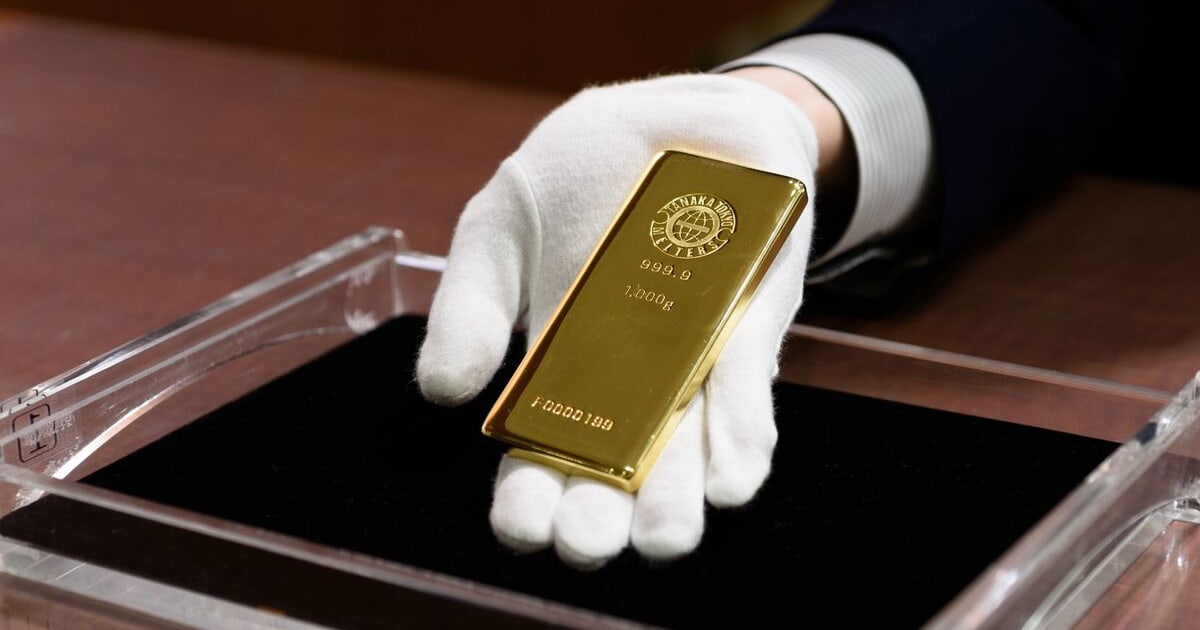
Conversely, gold finance companies like Muthoot Finance and Manappuram Finance face a nuanced challenge. As geopolitical risk fades, gold prices—which have been hitting record highs—are likely to consolidate or correct. This reduces the collateral value of gold loans and may dampen loan-to-value (LTV) growth. While these companies have diversified, their core gold-backed portfolio will likely see slower growth in the near term.
Stock-by-Stock Breakdown
- IOC (Indian Oil Corporation): Trading at a P/E of ~6x, the stock is undervalued. Lower crude prices directly improve its GRMs (Gross Refining Margins).
- BPCL: Likely to see higher dividend payouts if marketing margins remain stable throughout the quarter.
- InterGlobe Aviation (IndiGo): A top pick for the 're-opening' and 'lower-cost' trade. Watch for margin expansion in the upcoming quarterly results.
- Muthoot Finance: Investors should exercise caution; the stock is highly sensitive to gold price volatility. A correction in gold prices could lead to a short-term contraction in loan book growth.
Expert Perspective: The Bull vs. Bear Case
The Bull Argument: Bulls argue that this is a structural shift. With inflation cooling, the RBI has more room to maneuver, and the Indian consumer remains resilient. The return of FIIs will provide the liquidity necessary to push the Nifty towards new all-time highs as the 'war premium' exit becomes permanent.
The Bear Argument: Bears caution that geopolitical stability is fragile. A single diplomatic misstep or a supply-side disruption from OPEC+ could reignite the oil rally instantly. Furthermore, they argue that the 'Goldilocks' scenario is already priced in, leaving little room for error if corporate earnings do not meet expectations.
Investor Playbook: Navigating the Shift
Investors should adopt a barbell strategy. Buy high-quality OMCs and aviation stocks that benefit from lower operating costs. Reduce exposure to pure-play gold financiers until the precious metal finds a stable support floor. Monitor the USD/INR exchange rate; a strengthening rupee is the ultimate confirmation of this macro-shift.
Risk Matrix
| Risk Factor | Probability | Impact |
|---|---|---|
| Diplomatic Reversal | Medium | High |
| OPEC+ Production Cuts | Low | High |
| US Fed Hawkish Pivot | Medium | Medium |
What to Watch Next
Investors should track the upcoming US CPI data releases and the RBI Monetary Policy Committee (MPC) meetings. Any dovish signal from the RBI will act as the final catalyst for a broad-based market rally. Keep a close watch on the Brent Crude futures; a break below $75/barrel would be a major bullish signal for the Indian industrial sector.
See IOC's AI Score
Our algorithmic screener scores IOC on fundamentals, momentum, and risk — free to try, no card needed.
Try the AI Screener →Have questions about this story?
Ask Welth, our finance-focused AI research assistant, for a deeper breakdown — free trial included.
Chat with Welth AI →Disclaimer: This content is generated by WelthWest Research Desk based on publicly available reports and is for informational purposes only. It does not constitute financial advice, investment recommendations, or an offer to buy or sell securities. Always consult a qualified financial advisor before making investment decisions.