Key Takeaway
Geopolitical friction in the Middle East acts as a silent tax on the Indian economy. Investors should pivot toward upstream energy producers while hedging against margin-sensitive sectors like aviation and consumer goods.
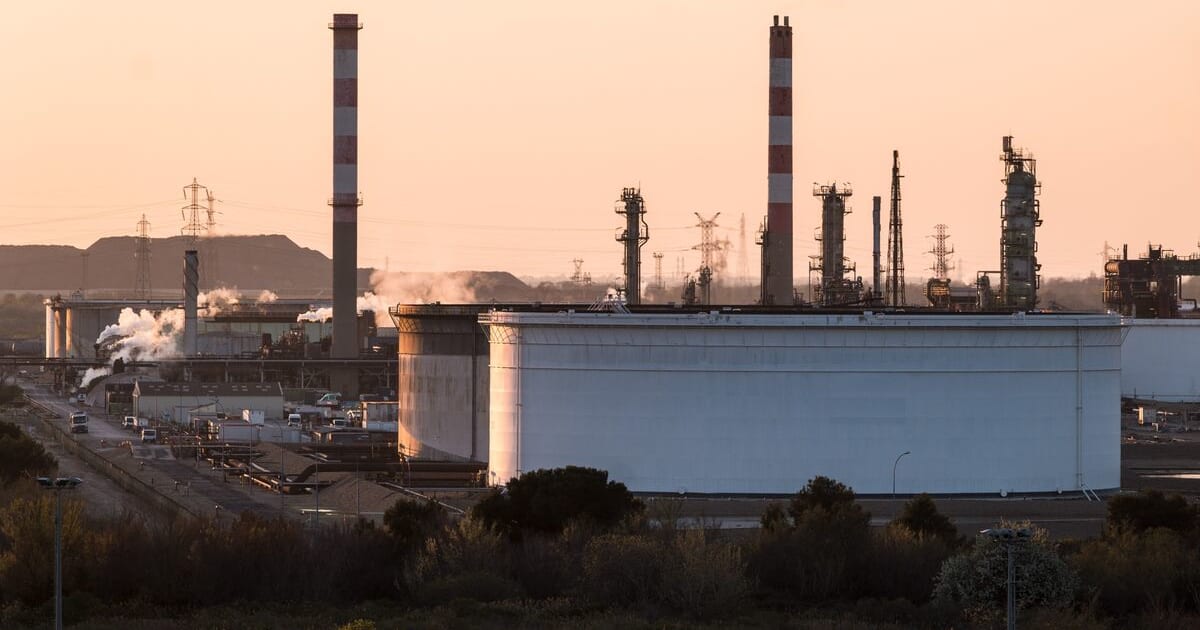
Escalating tensions in the Middle East are sending shockwaves through global energy markets. For India, a net oil importer, this creates a volatile cocktail of inflation, currency pressure, and shifting sector fortunes. We break down the winners and losers in the Nifty 50 to help you navigate this transition.
The Strait of Hormuz Paradox: Why Oil is India’s Greatest Macro Risk
In the complex architecture of the Indian economy, crude oil is the primary load-bearing pillar. When the Middle East sneezes, the Indian Rupee catches a cold. As geopolitical volatility flares up in the Persian Gulf, the global benchmark for crude oil has entered a state of heightened sensitivity, oscillating on every headline regarding supply-side sanctions and naval posturing.
For the Indian investor, this is not merely a geopolitical headline; it is a fundamental shift in the cost of doing business. With India importing over 85% of its crude requirements, a sustained $10/barrel increase in crude prices can widen the Current Account Deficit (CAD) by approximately 0.4% of GDP. This puts immediate pressure on the Reserve Bank of India (RBI) to maintain higher-for-longer interest rates to defend the currency, creating a contractionary environment for equities.
How do Middle East oil price spikes affect Indian stock market returns?
Historically, energy shocks act as a catalyst for sector rotation. During the 2022 energy crisis, the Nifty 50 saw significant volatility as investors dumped high-beta, oil-dependent stocks in favor of defensive plays. The correlation between Brent crude and the Nifty is inverse; when oil prices climb, the 'Import Bill' effect dominates, squeezing corporate margins across the board.
However, the impact is not uniform. We are currently observing a bifurcation in the market: while logistics and aviation companies face immediate margin compression, domestic upstream oil producers are seeing their realization prices climb, effectively creating a natural hedge for portfolios holding these assets.
Sector-Level Impact: Winners vs. Losers
The market is currently pricing in a 'risk-off' sentiment. Foreign Institutional Investors (FIIs) typically trim positions in emerging markets when geopolitical uncertainty spikes, favoring the US Dollar or Gold. For the Indian market, this means liquidity-driven rallies in mid-caps may face a temporary stall.
The Winners: Upstream Energy and Safe Havens
- ONGC (Oil & Natural Gas Corp): As a primary upstream producer, ONGC benefits from higher crude realizations. With a market cap exceeding ₹4 trillion, its earnings are highly sensitive to global price movements. When crude rises, their net realization per barrel expands, often offsetting the windfall taxes imposed by the government.
- OIL (Oil India Ltd): Similar to ONGC, OIL acts as a high-beta play on crude prices. Their exploration-heavy business model thrives in high-price environments, providing a defensive buffer during market downturns.
The Losers: Oil Marketing Companies (OMCs) and Downstream Consumers
- IOCL, BPCL, HPCL: These OMCs face the brunt of 'under-recoveries.' When global prices rise but retail fuel prices remain sticky due to political considerations, their marketing margins shrink, directly impacting their bottom line and dividend yield.
- InterGlobe Aviation (IndiGo): Aviation Turbine Fuel (ATF) accounts for nearly 40-45% of an airline's operating costs. A 10% hike in crude prices can wipe out the quarterly profit margins of even the most efficient carriers like IndiGo.
- Asian Paints: As a petrochemical-derivative heavy industry, Asian Paints relies on crude-linked inputs. Their P/E ratio often contracts during oil spikes as analysts downgrade earnings estimates due to raw material inflation.
Expert Perspective: The Bull vs. Bear Case
The bullish argument rests on India’s diversified energy basket and the strategic petroleum reserves that provide a buffer against short-term shocks. Conversely, the bearish perspective highlights that structural inflation, triggered by high oil, will stifle domestic consumption, leading to a de-rating of consumer-facing stocks.
Actionable Investor Playbook: What to Watch
Investors should adopt a barbell strategy. Maintain exposure to core growth stocks, but hedge with energy-linked assets. Avoid 'bottom-fishing' in aviation or logistics until crude volatility stabilizes below the 200-day moving average.
- Entry Points: Accumulate upstream energy stocks (ONGC, OIL) on dips when crude prices show signs of a sustained breakout.
- Time Horizon: Maintain a 12-18 month view. Geopolitical cycles in the Middle East are rarely resolved in a single quarter.
- Monitoring: Keep a close eye on the USD/INR exchange rate. A breach of 84.50 could signal significant FII outflows.
Risk Matrix
| Risk Factor | Probability | Impact |
|---|---|---|
| Strait of Hormuz Closure | Low | Catastrophic |
| Persistent Inflationary Pressure | High | Medium |
| FII Outflow from Nifty | Medium | High |
What to Watch Next: Catalysts for Q3/Q4
The upcoming OPEC+ production meeting is the most critical event on the calendar. Any deviation from current production quotas will send immediate signals to the market. Furthermore, watch the RBI’s commentary on 'imported inflation' in the next Monetary Policy Committee (MPC) meeting; if the central bank turns hawkish, expect banking stocks to face headwinds, further compounding the oil-led volatility.
See ONGC's AI Score
Our algorithmic screener scores ONGC on fundamentals, momentum, and risk — free to try, no card needed.
Try the AI Screener →Have questions about this story?
Ask Welth, our finance-focused AI research assistant, for a deeper breakdown — free trial included.
Chat with Welth AI →Disclaimer: This content is generated by WelthWest Research Desk based on publicly available reports and is for informational purposes only. It does not constitute financial advice, investment recommendations, or an offer to buy or sell securities. Always consult a qualified financial advisor before making investment decisions.
