Key Takeaway
The government’s pivot toward aggressive structural reform and ease-of-doing-business targets creates a high-conviction environment for capital-intensive sectors. Investors should pivot portfolios toward infrastructure and banking heavyweights before the next fiscal policy cycle accelerates.
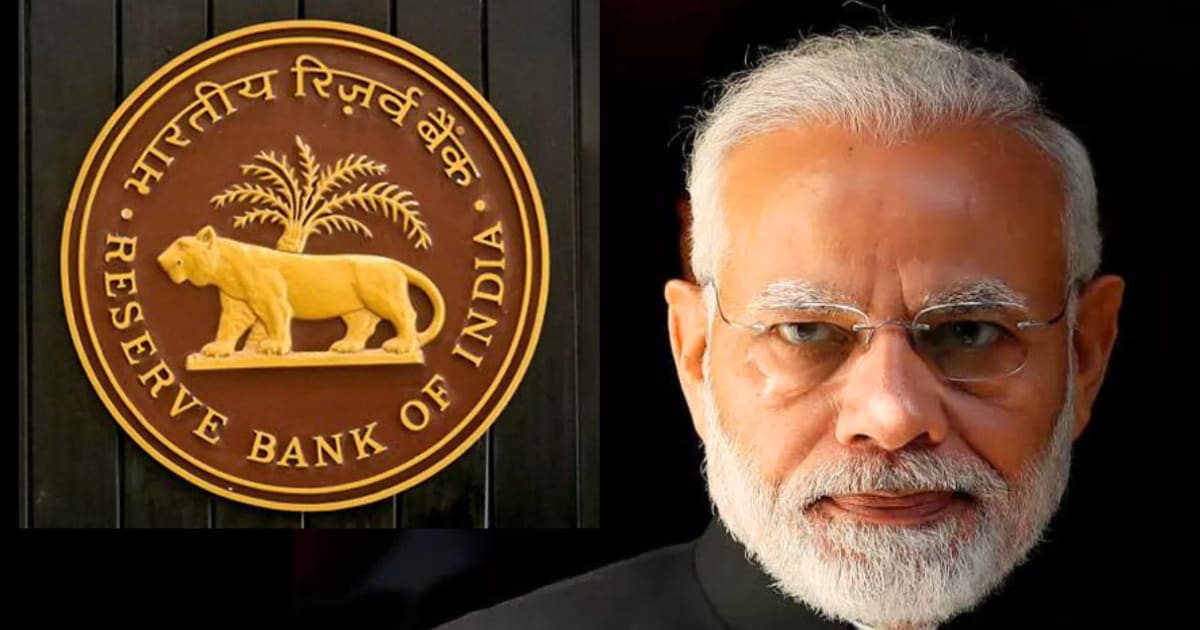
Prime Minister Modi has reconvened the Economic Advisory Council to accelerate India's long-term growth trajectory. This strategic shift aims to remove regulatory bottlenecks and boost private investment. Our analysis breaks down the market winners, losers, and the actionable playbook for navigating this policy-driven rally.
The Policy Pivot: Why Modi’s Latest EAC Meeting Changes the Market Narrative
In a move that signals a decisive shift from post-pandemic recovery to long-term structural expansion, Prime Minister Narendra Modi’s recent huddle with the Economic Advisory Council (EAC) marks a critical inflection point for the Indian equity markets. By prioritizing the 'Ease of Doing Business' and streamlining regulatory frameworks, the administration is effectively laying the groundwork for a sustained GDP growth trajectory that aims to decouple India from global volatility.
Historically, when the EAC sets an aggressive reform agenda, the Nifty 50 has responded with a distinct 'policy premium.' Similar to the structural shifts witnessed in 2022, where focused supply-side reforms triggered a 15-20% rally in capital goods, this current mandate emphasizes fiscal efficiency and infrastructure modernization. For the seasoned investor, this isn't just a headline—it’s a roadmap for sector rotation.
How will the government’s reform agenda impact Indian bank stocks?
The banking and financial services sector remains the primary proxy for India’s growth story. As the EAC pushes for lower regulatory friction, we anticipate a reduction in the cost of credit, which directly benefits the Net Interest Margins (NIMs) of major players. Banks that have successfully digitized their lending processes are poised to capture the increased demand for industrial credit as the manufacturing sector expands under the new reform umbrella.
Deep Market Impact: Infrastructure and Manufacturing at the Forefront
The focus on capital expenditure (capex) efficiency is the hallmark of this new directive. Data indicates that for every 1% increase in public infrastructure spending, there is a multiplier effect of approximately 2.5x on private sector investment. We are currently observing a significant shift in capital allocation toward companies that are key enablers of the government’s 'Make in India' initiative.
Stock-by-Stock Breakdown
- Larsen & Toubro (L&T): With an order book exceeding ₹4.5 lakh crore, L&T remains the clear beneficiary. As the government accelerates project approvals, L&T’s execution capability positions it to outperform the broader capital goods index.
- HDFC Bank: Currently trading at a P/E ratio that reflects long-term stability, HDFC Bank is positioned to absorb the surge in retail and MSME credit demand resulting from a simplified regulatory environment.
- State Bank of India (SBI): As the largest lender to the infrastructure sector, SBI is the primary vehicle for financing large-scale government projects. Its current focus on asset quality improvement makes it a defensive yet growth-oriented play.
- Reliance Industries (RIL): With its aggressive pivot into green energy and digital infrastructure, RIL stands to gain from any policy incentives that favor domestic manufacturing and energy independence.
- UltraTech Cement: As the backbone of the construction sector, UltraTech’s market share expansion aligns perfectly with the government's push for increased physical infrastructure spending.
The Expert Perspective: Bulls vs. Bears
The Bull Case: Optimists argue that the government’s ability to execute reforms during a global slowdown is a testament to India’s internal economic resilience. They point to the strengthening of Foreign Institutional Investor (FII) inflows, which have shown a preference for Indian equities as a 'safe haven' in emerging markets.
The Bear Case: Skeptics remain cautious about execution delays. Historically, the gap between policy announcement and ground-level implementation can take 12-18 months. Furthermore, if global macroeconomic headwinds—such as sustained high interest rates in the US—persist, they could dampen the appetite for risk-on assets in India.
Actionable Investor Playbook
Investors should adopt a 'barbell' strategy: 60% of the portfolio should be allocated to established leaders in infrastructure and banking (L&T, HDFC Bank), while 40% should be reserved for high-growth manufacturing firms that stand to benefit from reduced regulatory friction. Focus on companies with low debt-to-equity ratios and high return on capital employed (ROCE) above 15%.
Risk Matrix
| Risk Factor | Probability | Impact |
|---|---|---|
| Policy Execution Delays | High | Medium |
| Global Macroeconomic Headwinds | Medium | High |
| Regulatory Overreach | Low | Low |
What to Watch Next
Investors should keep a close eye on the upcoming quarterly earnings season, specifically looking for management commentary on 'order book velocity.' Additionally, any updates from the Ministry of Finance regarding the implementation timeline of the EAC’s recommendations will be a primary catalyst for market movement in the coming weeks.
See L&T's AI Score
Our algorithmic screener scores L&T on fundamentals, momentum, and risk — free to try, no card needed.
Try the AI Screener →Have questions about this story?
Ask Welth, our finance-focused AI research assistant, for a deeper breakdown — free trial included.
Chat with Welth AI →Disclaimer: This content is generated by WelthWest Research Desk based on publicly available reports and is for informational purposes only. It does not constitute financial advice, investment recommendations, or an offer to buy or sell securities. Always consult a qualified financial advisor before making investment decisions.