Key Takeaway
Indonesia’s nickel supply squeeze is a margin-killer for downstream fabricators but a potential catalyst for vertically integrated miners. Investors must pivot toward companies with robust inventory hedging or primary extraction exposure.
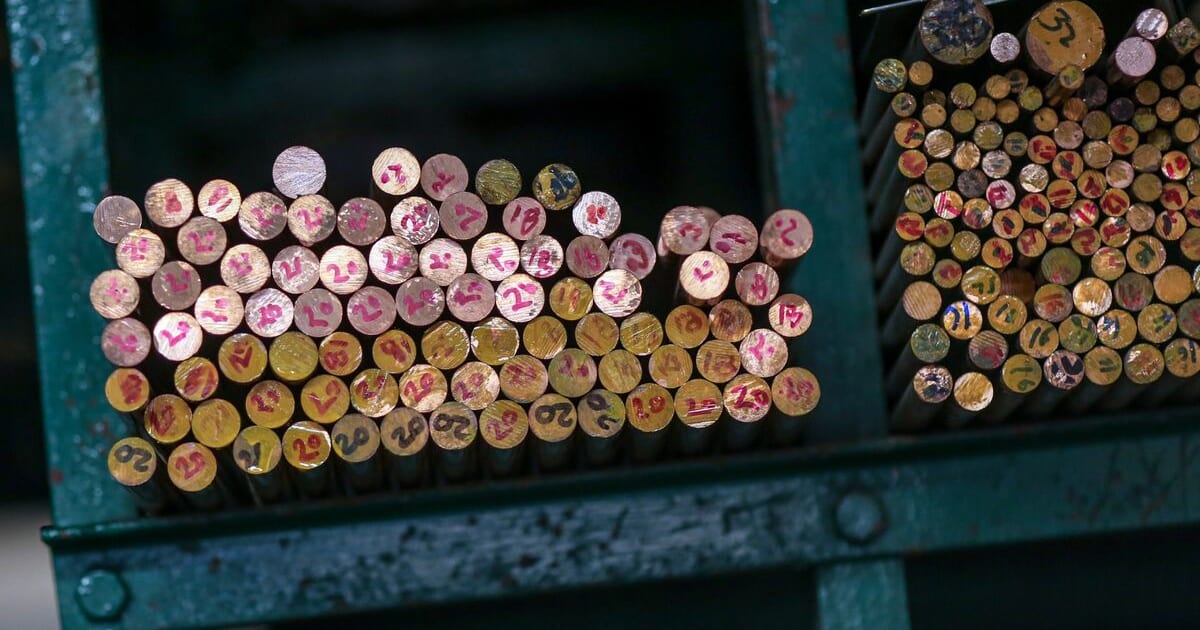
As Indonesia restricts nickel exports to prioritize domestic processing, global prices are surging, creating a supply-chain bottleneck. We analyze the ripple effects on India’s stainless steel and EV battery ecosystems, identifying which stocks are positioned to weather the volatility and which are at risk of margin compression.
The Nickel Squeeze: Why Indonesia’s Policy Shift Matters Now
For the global metals complex, the 'Nickel Narrative' has shifted from a surplus-driven bear market to a supply-constrained volatility play. Indonesia, which accounts for roughly 40% of global nickel production, has tightened its export controls, effectively forcing global consumers to either pay the premium for Indonesian refined products or source from more expensive, less liquid markets. This is not merely a supply chain hiccup; it is a structural realignment of the global nickel trade.
Why does this matter now? As the global energy transition accelerates, nickel has become the 'king of battery metals.' With Indonesia aggressively moving to capture the value-add of the battery supply chain, the immediate result is an inflationary shock to the London Metal Exchange (LME) prices. For the Indian industrial complex, which remains heavily reliant on imported nickel for high-grade stainless steel and battery precursors, this represents a sudden, sharp spike in input costs that threatens to erode margins across the manufacturing sector.
How Will Indonesia’s Policy Impact Indian Stainless Steel and EV Margins?
The correlation between LME nickel prices and the operating margins of Indian stainless steel producers is notoriously high. Historically, during the 2022 nickel price spike, we observed a significant compression in EBITDA per tonne for non-integrated fabricators. When nickel prices rise, the lag between raw material procurement and finished product sales creates a 'margin squeeze' unless companies can pass the cost to automobile OEMs or construction sector clients.
For the Indian market, this creates a bifurcated reality. Companies with high inventory turnover and low hedging capabilities will face immediate earnings headwinds. Conversely, integrated players who have secured long-term off-take agreements or have captive supply chains are better positioned to capture market share as smaller competitors struggle with liquidity and rising working capital requirements.
Stock-by-Stock Breakdown: Winners and Losers on the NSE/BSE
- Jindal Stainless (JSL): As a leader in the stainless steel space, JSL is directly exposed to nickel price volatility. While their market leadership allows for some pricing power, a sustained rally in nickel prices will inevitably pressure their 12-14% EBITDA margins. Watch their inventory levels closely in the upcoming quarterly filings.
- Tata Steel: With a more diversified product mix, Tata Steel is partially insulated. However, their high-alloy steel segment remains sensitive to nickel costs. Their focus on debt reduction and operational efficiency provides a buffer that smaller peers lack.
- Vedanta: As a diversified natural resources giant, Vedanta represents a 'bullish' play on the broader commodities complex. Their move into the semiconductor and battery-grade materials space makes them a strategic long-term beneficiary of supply constraints, though their balance sheet remains a point of scrutiny for credit-focused analysts.
- Amara Raja Energy & Mobility & Exide Industries: These battery manufacturers are the most vulnerable to nickel inflation. As they pivot toward Lithium-ion and nickel-based chemistry, rising raw material costs could delay the break-even timelines for their new Giga-factory investments.
- Hindalco: While primarily an aluminum player, their subsidiary Novelis is deeply integrated into the global automotive supply chain. Any slowdown in EV adoption due to high battery costs will indirectly impact their high-margin automotive sheet segment.
The Contrarian View: Bulls vs. Bears
The Bear Case: Skeptics argue that the demand side is softening. With EV sales growth cooling in major markets and global interest rates remaining elevated, the 'nickel supercycle' may be overhyped. If demand destruction occurs, the current supply squeeze will be short-lived, and nickel prices could revert to their long-term mean.
The Bull Case: Proponents point to the 'Energy Transition Floor.' Even if EV sales growth moderates, the long-term structural demand for nickel in grid-scale storage and defense applications remains non-negotiable. Furthermore, Indonesia’s processing capacity may lag behind their export restrictions, leading to a 'permanent' supply deficit that keeps prices structurally higher for the next 24 to 36 months.
Investor Playbook: Navigating the Volatility
Investors should adopt a 'barbell' strategy. On one side, maintain exposure to integrated players with strong balance sheets (e.g., Tata Steel) who can withstand short-term margin volatility. On the other, reduce exposure to pure-play stainless steel fabricators that lack the pricing power to pass on raw material inflation.
Actionable Steps:
- Watch the Spread: Monitor the spread between LME nickel prices and domestic Indian spot prices. A widening spread indicates that Indian manufacturers are successfully passing on costs.
- Entry Points: Look for support levels on JSL and Tata Steel during broad market corrections. Do not chase rallies in the metals sector; wait for 'pullback to support' scenarios.
- Monitor Capex: For EV battery stocks, monitor the pace of their capital expenditure. If battery prices remain elevated due to nickel, look for delays in their project timelines as a signal to reduce positions.
Risk Matrix: Assessing the Threats
| Risk Factor | Impact | Probability |
|---|---|---|
| Global EV Demand Slowdown | High | Medium |
| Indonesia Policy Reversal | Medium | Low |
| Supply Chain Substitution | Medium | Medium |
What to Watch Next
The primary catalyst to watch is the upcoming quarterly earnings season, specifically management commentary regarding 'raw material pass-through' mechanisms. Additionally, monitor the LME inventory reports; a sustained drawdown in exchange stocks would confirm that the Indonesian supply squeeze is effectively tightening the global market. Finally, keep an eye on the RBI’s repo rate decisions; while not directly tied to nickel, a lower interest rate environment would be a massive tailwind for the automotive and construction sectors, potentially offsetting the negative impact of high input costs.
See Jindal Stainless (JSL)'s AI Score
Our algorithmic screener scores Jindal Stainless (JSL) on fundamentals, momentum, and risk — free to try, no card needed.
Try the AI Screener →Have questions about this story?
Ask Welth, our finance-focused AI research assistant, for a deeper breakdown — free trial included.
Chat with Welth AI →Disclaimer: This content is generated by WelthWest Research Desk based on publicly available reports and is for informational purposes only. It does not constitute financial advice, investment recommendations, or an offer to buy or sell securities. Always consult a qualified financial advisor before making investment decisions.
