Key Takeaway
Nvidia's earnings are a crucial bellwether for global tech, but persistent US inflation poses a significant headwind for Indian IT and export stocks. Investors must navigate a dual threat of tech valuation adjustments and capital outflow risks.
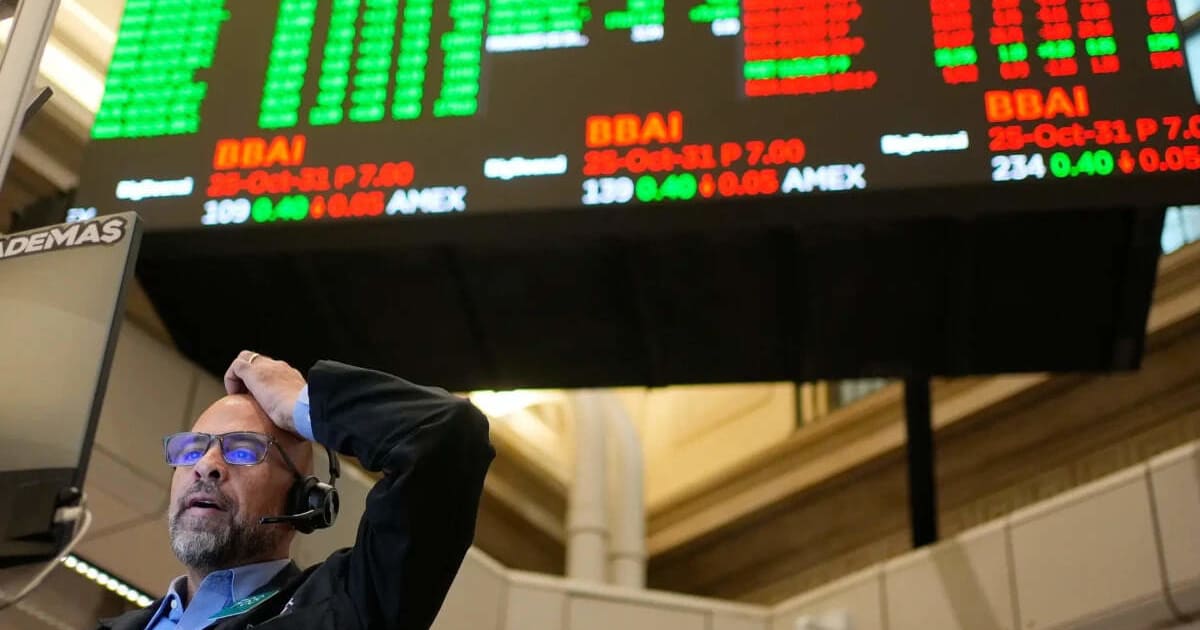
The global financial landscape is on edge, anticipating Nvidia's latest earnings amidst a backdrop of escalating US inflation. This potent combination creates a complex dynamic for investors, particularly those with exposure to the Indian stock market. WelthWest Research Desk delves into how these macro and micro forces will shape the fortunes of India's tech giants and export-oriented sectors.
Nvidia Earnings & US Inflation: A Dual Threat to Indian IT and Export Stocks
The global financial spotlight is intensely focused on two pivotal events this week: the highly anticipated earnings report from Nvidia (NVDA), the undisputed leader in AI semiconductors, and the latest US inflation data. These seemingly disparate events are, in fact, deeply intertwined, creating a complex web of influence that will ripple through international markets, with significant implications for India's benchmark indices and its crucial IT and export-oriented sectors. WelthWest Research Desk provides an exhaustive, data-driven analysis to equip investors with unparalleled insights.
Nvidia's performance transcends its individual market capitalization, which currently hovers around $2.3 trillion. As the primary enabler of the artificial intelligence revolution, its revenue trajectory and forward guidance offer an invaluable barometer for the health of the entire global technology ecosystem. A robust Nvidia report typically fuels optimism, driving capital towards growth-oriented tech stocks worldwide. Conversely, any signs of weakness could trigger a broad-based tech sector correction, challenging the elevated valuations that have characterized the recent market rally.
Simultaneously, the persistent surge in US inflation, as evidenced by recent Consumer Price Index (CPI) figures exceeding expectations, casts a long shadow. Elevated inflation strengthens the likelihood of the Federal Reserve maintaining, or even increasing, its hawkish monetary policy stance. This prospect of higher-for-longer interest rates in the US has a direct and profound impact on emerging markets like India. A stronger US Dollar, driven by higher rates, typically leads to foreign institutional investor (FII) outflows from Indian equities, seeking safer, higher-yielding assets in the US. This capital flight, coupled with the potential for a global economic slowdown stemming from tighter monetary conditions, directly threatens India's export-driven growth engines and its highly dollar-revenue-dependent IT services sector.
How Will Nvidia's Performance Impact Global Tech Valuations?
Nvidia's earnings call is more than just a quarterly report; it's a narrative-setter for the AI investment thesis. The company's current trailing twelve-month P/E ratio stands at an eye-watering 70x, reflecting immense market expectations for future growth. Analysts are keenly watching its data center revenue, which constitutes over 80% of its total sales, for signs of sustained demand for its H100 and upcoming B200 AI accelerators. Any deviation from the projected exponential growth, or a cautious outlook on capital expenditure from its hyperscaler clients (like Microsoft, Google, AWS), could trigger a significant re-evaluation of tech valuations globally.
Historically, significant shifts in bellwether tech stock performance have cascaded across the sector. For instance, a notable slowdown in semiconductor demand in late 2022 saw the Philadelphia Semiconductor Index (SOX) decline by over 40% from its peak, dragging down related tech stocks. While Nvidia's current dominance offers some insulation, a weak report could lead to a broad-based de-rating of growth stocks, making high-P/E Indian IT services companies particularly vulnerable.
Furthermore, the 'Magnificent Seven' phenomenon, of which Nvidia is a key component, has disproportionately driven global equity gains. Should Nvidia falter, the concentration risk within these market leaders could unwind, leading to broader market volatility. Indian tech companies, while not direct competitors, often trade in sympathy with global tech sentiment due to intertwined investor bases and macro factors.
What Does Rising US Inflation Mean for Indian Stocks?
Persistent US inflation is arguably the more insidious threat for the Indian market. The latest US CPI print, showing an annual increase of 3.5%, exceeded consensus estimates, pushing back expectations for Fed rate cuts. The 'higher for longer' interest rate narrative strengthens the US Dollar (DXY index currently around 105.5) and increases the yield on US Treasuries (10-year yield near 4.6%).
This dynamic creates a powerful incentive for FIIs to reallocate capital. In periods of rising US yields and a strengthening dollar, India, as an emerging market, typically experiences capital outflows. For example, during the Fed's aggressive tightening cycle in 2022, FIIs pulled over $28 billion from Indian equities, contributing to a Nifty 50 correction of over 15% from its peak. While domestic institutional investors (DIIs) have shown resilience, they may not fully offset sustained FII selling pressure.
Moreover, a stronger dollar directly impacts the profitability of Indian companies that rely on imported raw materials or have significant dollar-denominated debt. While IT services companies earn in dollars, a stronger dollar can also mean higher hedging costs and a competitive disadvantage if clients demand price concessions in local currency terms.
Stock-by-Stock Breakdown: Indian IT Majors on the Cusp
The Indian IT services sector, with its significant exposure to US and European markets, stands at a critical juncture. A weaker Nvidia report dampening global tech sentiment, combined with sustained US inflation leading to FII outflows and potential client budget tightening, creates a formidable headwind. Here’s how specific companies could be impacted:
- Tata Consultancy Services (TCS.NS): As India's largest IT services exporter with a market cap exceeding ₹14 lakh crore, TCS is seen as a bellwether for the entire sector. Its strong balance sheet and diverse client base offer some resilience, but a broad slowdown in global tech spending or a significant strengthening of the USD (making their services more expensive for some clients or impacting repatriation) would directly affect its revenue growth and margins. A 1% appreciation in the USD against the INR typically adds 0.5-0.7% to their operating margins, but a stronger dollar due to global economic concerns can also mean clients tightening belts.
- Infosys (INFY.NS): Infosys, with a market cap of approximately ₹6 lakh crore, derives a substantial portion of its revenue from the North American market. It is particularly sensitive to discretionary IT spending. Any slowdown in US corporate IT budgets, influenced by economic uncertainty or higher borrowing costs, could impact deal wins and revenue guidance. Its P/E ratio, while lower than growth tech, is still sensitive to earnings downgrades.
- Wipro (WIPRO.NS): Wipro, with a market cap of around ₹2.5 lakh crore, has been undergoing a transformation under its current leadership. However, its exposure to consulting and European markets makes it vulnerable to both tech spending slowdowns and broader economic weakness. A global tech correction could exacerbate challenges in its turnaround efforts.
- HCLTech (HCLTECH.NS): HCLTech, with a market cap of roughly ₹3.8 lakh crore, has a strong focus on engineering and R&D services, making it somewhat insulated from pure discretionary spending. However, a significant downturn in global manufacturing or enterprise tech investments, driven by higher rates, would eventually impact its deal pipeline and growth trajectory.
- LTIMindtree (LTIM.NS): Formed from the merger of L&T Infotech and Mindtree, LTIMindtree (market cap around ₹1.5 lakh crore) is a high-growth mid-cap IT firm. While its niche focus on digital transformation is a strong tailwind, it remains susceptible to a broader tech market correction and FII outflows, often disproportionately affecting mid-cap growth stories.
Beyond IT, Indian export-oriented sectors such as textiles, auto ancillaries, and certain manufacturing segments could also face headwinds. A global economic slowdown reduces demand for non-essential goods, while a stronger dollar makes Indian exports comparatively more expensive in international markets, potentially eroding competitive advantage and profit margins.
Expert Perspectives: Bulls vs. Bears on India's Tech Future
The current market environment fosters a robust debate among analysts regarding the future trajectory of Indian IT and broader markets.
The Bearish Argument: Bears contend that the confluence of persistent US inflation, a hawkish Fed, and potential overvaluation in global tech (epitomized by Nvidia's high P/E) creates a 'perfect storm' for Indian equities. They foresee significant FII outflows, leading to a correction in the Nifty 50, possibly testing support levels around 21,000-21,500. They highlight that Indian IT companies' valuations, while lower than their US counterparts, still reflect growth expectations that may not materialize if global economic activity cools. A weaker-than-expected Nvidia report could be the catalyst for a broader tech sector re-rating, directly impacting Indian IT's order books and future guidance. They point to the 2022 FII withdrawal as a precedent for potential capital flight.
The Bullish Argument: Bulls, conversely, emphasize India's strong domestic consumption story, robust economic growth (projected 6.5-7% GDP growth for FY25), and resilient corporate earnings. They argue that DII flows have consistently offset FII selling in recent years, providing a crucial buffer. Furthermore, they believe that the long-term structural tailwinds of digital transformation and AI adoption will continue to drive demand for Indian IT services, regardless of short-term macro fluctuations. For Nvidia, they expect the company to once again beat expectations, reinforcing the AI narrative and providing a temporary boost to global tech sentiment. They also highlight that many Indian IT firms have diversified their client base and service offerings, making them more resilient to sector-specific shocks than in previous cycles.
WelthWest's analysis suggests a nuanced view. While India's domestic strength is undeniable, the interconnectedness of global capital markets means that significant external shocks cannot be entirely discounted. The impact will likely be felt more acutely in sectors directly exposed to global demand and FII sentiment.
Actionable Investor Playbook: Navigating the Volatility
Given the anticipated volatility, a measured and strategic approach is crucial for investors. This is not a time for panic, but for calculated adjustments.
- Watch for Entry Points in Quality IT: A significant correction in Indian IT stocks (e.g., a 10-15% drop in TCS or Infosys from current levels) could present attractive long-term entry points for investors with a 2-3 year horizon. Focus on companies with strong balance sheets, consistent dividend payouts, and a demonstrated ability to win large deals. Consider accumulating these stocks in a staggered manner.
- Reduce Exposure to Highly Valued Growth Stocks: Investors with a shorter time horizon or high exposure to mid-cap IT or other growth-oriented export sectors might consider trimming positions to de-risk portfolios ahead of potential FII outflows.
- Consider Defensive Sectors: Diversify into sectors less exposed to global economic cycles, such as domestic consumption (FMCG), pharmaceuticals (with domestic focus), or select banking stocks (less exposed to external shocks).
- Monitor USD/INR: A sharp depreciation of the INR beyond 83.5-84 against the USD would signal increased capital outflow pressure and could be a trigger for portfolio adjustments.
- Hedge Your Bets: For sophisticated investors, considering currency hedges or options strategies (e.g., buying protective puts on IT sector ETFs) could offer downside protection.
The immediate aftermath of Nvidia's earnings and the inflation data will dictate short-term market movements. However, long-term investors should use any dips as opportunities to build positions in fundamentally strong Indian companies.
Risk Matrix: Assessing the Probabilities
Understanding the potential risks and their likelihood is paramount for informed decision-making.
- Weaker-than-expected Nvidia Results (Probability: Medium): While Nvidia has consistently beaten estimates, its current valuation bakes in significant future growth. Any miss on revenue, guidance, or even a cautious tone from management could trigger a 5-10% immediate drop in NVDA stock, leading to a broader tech sell-off impacting the Nifty IT index by 2-4%.
- Persistent High US Inflation & Aggressive Fed (Probability: High): Given recent data, the likelihood of inflation remaining sticky is substantial. This almost guarantees a 'higher for longer' Fed stance, strengthening the USD and increasing US Treasury yields. This scenario carries a high probability of leading to sustained FII outflows from India, potentially causing a 3-5% correction in the Nifty 50 over the next 1-2 months.
- Global Economic Slowdown (Probability: Medium): The combined effect of higher interest rates globally and geopolitical tensions could precipitate a broader economic slowdown. This would directly impact demand for Indian exports and IT services, leading to revenue and earnings downgrades across affected sectors. This risk is more systemic and could unfold over a 6-12 month horizon.
- INR Depreciation Beyond Key Levels (Probability: Medium): A sustained strengthening of the DXY index coupled with FII outflows could push the USD/INR pair beyond the psychological 84-mark. This depreciation would impact companies with significant import bills and could further fuel inflation within India, potentially prompting an RBI response.
What to Watch Next: Catalysts on the Horizon
Investors should closely monitor several key data points and events in the coming weeks and months:
- Nvidia's Q1 Earnings Call (Date: May 22, 2024, after market close US): The immediate focus will be on the company's revenue beats, profit margins, and, critically, its forward guidance for Q2 and the full fiscal year. Any commentary on AI demand trends and competitive landscape will be dissected.
- Upcoming US Inflation Data (CPI, PCE): The next set of US inflation figures will be crucial in shaping Fed expectations. A significant cooling could ease rate hike concerns, while further acceleration would intensify them. (Next CPI release: June 12, 2024).
- Federal Reserve's FOMC Meetings: The Fed's statements and dot plot projections will provide clarity on the future path of interest rates. (Next FOMC meeting: June 11-12, 2024).
- FII Flow Data: Daily and weekly FII investment data from NSE will indicate the pace of capital inflows or outflows from Indian equities. Sustained outflows would be a red flag.
- Indian IT Companies' Q1 FY25 Guidance: As Indian IT firms report their quarterly results, their forward guidance on revenue growth and deal pipelines will offer granular insights into demand trends and client spending.
By meticulously tracking these indicators, investors can position themselves to capitalize on opportunities and mitigate risks in a dynamic global financial environment.
See TCS's AI Score
Our algorithmic screener scores TCS on fundamentals, momentum, and risk — free to try, no card needed.
Try the AI Screener →Have questions about this story?
Ask Welth, our finance-focused AI research assistant, for a deeper breakdown — free trial included.
Chat with Welth AI →Disclaimer: This content is generated by WelthWest Research Desk based on publicly available reports and is for informational purposes only. It does not constitute financial advice, investment recommendations, or an offer to buy or sell securities. Always consult a qualified financial advisor before making investment decisions.
