Key Takeaway
The US-Iran Strait of Hormuz peace accord has triggered a dramatic fall in global oil prices, creating a powerful tailwind for the Indian economy and offering significant upside for select Indian equities. Investors should re-evaluate portfolios with a focus on beneficiaries of lower energy costs.
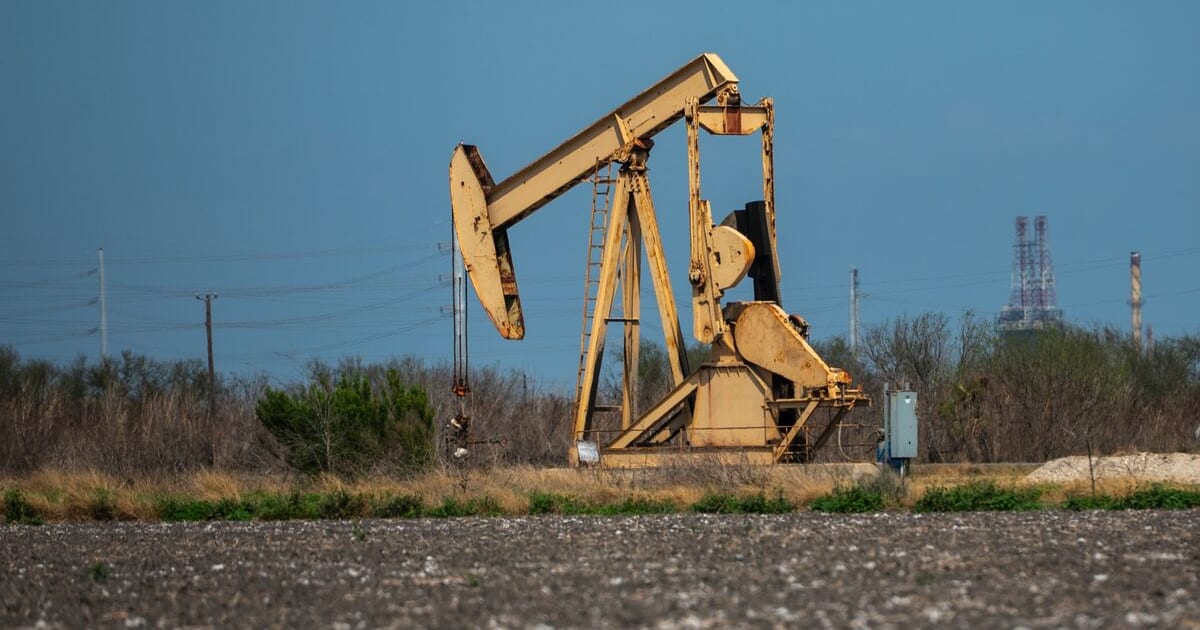
A landmark US-Iran agreement to de-escalate tensions in the Strait of Hormuz has sent crude oil prices spiraling below $80 a barrel. This development promises substantial relief for India's current account deficit, inflation, and fiscal health, while creating lucrative opportunities for specific sectors and companies within the Indian stock market.
Global Oil Plunge Below $80: The US-Iran Strait of Hormuz Peace Deal's Economic Ripple Effect on India
In a seismic shift that has sent shockwaves through global commodity markets, crude oil prices have decisively broken below the psychologically crucial $80 per barrel mark. This dramatic price correction is directly attributable to a significant de-escalation of geopolitical tensions between the United States and Iran, culminating in a peace accord that promises to reopen the vital Strait of Hormuz shipping lane. For India, an energy-importing nation heavily reliant on global crude supplies, this development is not merely a market fluctuation; it represents a profound economic inflection point with far-reaching implications for its balance of payments, inflationary pressures, and corporate profitability.
The Strait of Hormuz, a narrow waterway through which approximately 20% of global oil consumption passes, has long been a flashpoint for geopolitical instability. Any disruption or perceived threat to this critical chokepoint has historically led to sharp spikes in oil prices, injecting uncertainty and cost pressures into the global economy. The recent US-Iran peace deal, therefore, signifies a substantial abatement of this persistent risk premium, effectively unlocking a wave of supply that was previously constrained by geopolitical anxieties. This immediate easing of supply chain fears translates into a direct reduction in energy costs, a critical factor for economies like India, which imports over 80% of its crude oil requirements.
How Will the Lower Oil Prices Impact India's Current Account Deficit and Inflation?
The impact of sub-$80 oil on India's macroeconomic landscape is profoundly positive. A primary beneficiary is the nation's current account deficit (CAD). India's import bill is heavily skewed towards crude oil, and a sustained period of lower oil prices directly reduces the dollar outflow for these imports. For instance, if the average crude oil price for India declines by $10 per barrel, it could translate into savings of over $15 billion annually on its import bill, significantly narrowing the CAD. A narrower CAD reduces the pressure on the Indian Rupee, making imports cheaper and potentially bolstering foreign exchange reserves.
Furthermore, the transmission of lower crude oil prices through the economy is a potent disinflationary force. Fuel prices at the pump, a major component of the Consumer Price Index (CPI), are directly linked to the cost of imported crude. A sustained drop in oil prices will likely lead to lower petrol and diesel prices, providing much-needed relief to consumers and businesses alike. This reduction in transportation costs can cascade through the economy, lowering the cost of goods and services across various sectors, thereby easing broader inflationary pressures. The Reserve Bank of India (RBI) has been keenly watching inflation, and this development provides it with greater flexibility in its monetary policy stance, potentially opening avenues for interest rate cuts sooner than anticipated.
For the Indian government, lower oil prices translate into significant fiscal breathing room. Subsidies on petroleum products, particularly for cooking gas (LPG) and kerosene, represent a substantial portion of government expenditure. A decline in global crude prices reduces the subsidy burden, allowing the government to either reallocate these funds to productive capital expenditure, social welfare schemes, or to reduce its fiscal deficit. This fiscal prudence can enhance investor confidence and contribute to a more stable macroeconomic environment. The government's reliance on revenue from excise duties and taxes on petroleum products is also a factor, but the net effect of lower import costs and potentially higher consumption volumes often favors fiscal health.
Deep Market Impact Analysis: Sectoral Winners and Losers in the Indian Stock Market
The equity markets are swift to price in such fundamental shifts. The sentiment surrounding the Indian stock market has turned decidedly bullish, driven by the prospect of sustained economic tailwinds. The Nifty 50, India's benchmark equity index, is expected to find strong support from this development, potentially retesting previous highs and charting new territory. Historically, periods of declining energy costs have correlated with periods of robust market performance, as corporate profitability improves and consumer spending power increases. For instance, during the oil price collapse of 2020, the Nifty witnessed a sharp recovery, underscoring the sensitivity of the Indian market to energy price dynamics.
Winners: The most immediate beneficiaries are companies whose profitability is directly tied to the price of crude oil and the cost of fuel. This includes the Oil Marketing Companies (OMCs) such as Indian Oil Corporation Ltd (IOCL), Bharat Petroleum Corporation Ltd (BPCL), and Hindustan Petroleum Corporation Ltd (HPCL). These companies, often referred to as the 'PSU OMCs', benefit from lower crude oil acquisition costs while their retail selling prices of petrol and diesel may not always move in lockstep with global benchmarks, leading to improved refining margins and inventory gains. The paint and chemical manufacturing sectors, which rely heavily on crude oil derivatives as raw materials, are also poised for margin expansion. Companies like Asian Paints and Pidilite Industries, which use turpentine and other petrochemicals, will see a reduction in their input costs.
The aviation sector, a significant consumer of jet fuel, will experience a substantial reduction in operating expenses. Airlines like InterGlobe Aviation (IndiGo) and SpiceJet will see their fuel costs, which constitute a large portion of their total expenditure, decrease dramatically. This can lead to improved profitability, potential fare reductions, and increased passenger demand. Similarly, the logistics and transport sectors, encompassing trucking, shipping, and rail, will benefit from lower diesel and fuel costs, enhancing their operational efficiency and margins. Tyre manufacturers, whose input costs are linked to crude oil prices through synthetic rubber, will also find relief.
Losers: Conversely, upstream oil and gas producers and exploration companies will be negatively impacted. Companies like Oil and Natural Gas Corporation (ONGC) and Oil India Ltd, whose revenues are directly correlated with crude oil prices, will see a decline in their top-line figures and profitability. While these companies may have hedging strategies in place, sustained low prices will erode their earnings potential and impact future exploration and production investment decisions. However, the extent of their pain will depend on their cost structures and any long-term contracts they may have in place.
Stock-by-Stock Breakdown: Navigating the Opportunities in the Indian Equity Arena
The current market scenario presents a clear opportunity for investors to capitalize on the shift in energy economics. Identifying specific stocks that are poised to benefit is crucial for maximizing returns.
- Indian Oil Corporation Ltd (IOCL) (NSE: IOC): As India's largest integrated downstream oil company, IOCL is a direct beneficiary of lower crude oil prices. Its refining margins are expected to widen significantly as the cost of crude feedstock decreases, while retail fuel prices may not fall in direct proportion. With a market capitalization of over ₹1.5 lakh crore and a trailing P/E ratio of approximately 12, IOCL offers a compelling valuation. Historically, a $10 drop in crude has added a significant percentage to its refining margins, translating into substantial profit growth.
- Bharat Petroleum Corporation Ltd (BPCL) (NSE: BPCL): Similar to IOCL, BPCL will experience enhanced profitability due to lower crude acquisition costs. Its integrated refining and marketing operations are well-positioned to capture the benefits of this price correction. With a market cap of roughly ₹85,000 crore and a P/E of around 10, BPCL presents a robust investment case.
- Hindustan Petroleum Corporation Ltd (HPCL) (NSE: HPCL): Completing the trio of major PSU OMCs, HPCL will also see its margins expand. Its retail network and refining capacity make it a significant player that benefits directly from this price environment. Its market cap hovers around ₹40,000 crore with a P/E of approximately 9.
- InterGlobe Aviation Ltd (IndiGo) (NSE: INDIGO): As India's largest airline, IndiGo's fortunes are closely tied to fuel costs. A sustained decline in jet fuel prices will dramatically improve its cost structure, leading to potentially higher profits and a stronger competitive position. With a market cap of over ₹80,000 crore and a P/E that can be volatile due to industry dynamics, the reduction in operating expenses is a clear positive.
- Asian Paints Ltd (NSE: ASIANPAINT): This paints major's input costs are significantly influenced by crude oil derivatives like titanium dioxide and various petrochemicals. Lower raw material prices will lead to improved gross margins, assuming stable pricing power in the end-product market. With a market cap exceeding ₹2.5 lakh crore and a high P/E of around 55, the margin expansion is crucial for justifying its premium valuation.
- Oil and Natural Gas Corporation (ONGC) (NSE: ONGC): As a direct producer of crude oil, ONGC will face headwinds. Its revenue and profitability are directly linked to the price of Brent crude. While its robust production levels and diversified asset base provide some resilience, sustained low prices will impact its earnings and dividend payouts. With a market cap of approximately ₹1.7 lakh crore and a P/E of around 7, it represents a potential contrarian play if one believes prices will rebound, or a stock to avoid if the bearish view prevails.
Expert Perspective: Bulls vs. Bears on the Oil Price Outlook
The consensus among many analysts is bullish on the immediate impact of this price drop. Bulls argue that the geopolitical risk premium has been significantly unwound, and the supply-side boost from the Strait of Hormuz reopening is substantial. They point to the positive implications for inflation, economic growth, and corporate margins as key drivers for the market. The potential for interest rate cuts by central banks, including the RBI, further fuels their optimism.
However, bears remain cautious, highlighting the inherent volatility of geopolitical situations. They argue that the US-Iran deal, while positive now, is fragile and could unravel quickly, leading to a rapid reversal in oil prices. Any renewed tensions or unforeseen events in the Middle East could reignite the risk premium. Bears also point to potential demand-side concerns if global economic growth falters, which could cap any significant upside in oil prices even without geopolitical flare-ups. Furthermore, they might argue that the market has already priced in much of the immediate upside for the beneficiaries.
Actionable Investor Playbook: Strategic Steps for Capitalizing on Lower Oil Prices
For investors looking to navigate this evolving landscape, a strategic approach is paramount. The current environment favors a tactical shift towards sectors and companies that directly benefit from lower energy costs.
- Buy: Focus on the Oil Marketing Companies (IOCL, BPCL, HPCL) for their immediate margin expansion. Consider the aviation sector (IndiGo) for its substantial operating cost reduction. Paint and chemical manufacturers (Asian Paints) are also attractive due to lower input costs.
- Sell/Avoid: Reduce exposure to upstream oil and gas producers (ONGC, Oil India Ltd) unless you have a strong conviction in a swift oil price rebound.
- Watch: Keep a close eye on the retail fuel prices in India. While global prices have fallen, the extent to which these savings are passed on to consumers will determine the full impact on inflation and consumer spending. Monitor the government's stance on fuel taxation.
- Entry Points: For OMCs and aviation stocks, consider entering on any minor dips in their stock prices, as the fundamental tailwind is strong. For paint and chemical companies, an entry after a period of consolidation could be prudent.
- Time Horizon: The benefits of lower oil prices are likely to be sustained for at least the medium term (6-12 months), provided the geopolitical situation remains stable. This suggests a medium-term investment horizon for these specific plays.
Risk Matrix: Navigating the Uncertainties Ahead
While the outlook is predominantly positive, several risks could derail these optimistic projections:
- Geopolitical Instability (Probability: Medium): Any breakdown in the US-Iran peace deal or a resurgence of regional tensions could lead to a sharp and immediate spike in oil prices, negating current gains and potentially creating a 'buy the rumor, sell the news' scenario for beneficiaries.
- Global Demand Slowdown (Probability: Low to Medium): A significant global economic recession would dampen oil demand, limiting the upside for prices and potentially impacting the volume growth for some beneficiary sectors.
- Domestic Policy Decisions (Probability: Low): Unforeseen changes in India's fuel pricing policy or a sudden increase in excise duties could dilute the benefits of lower crude prices for consumers and companies.
What to Watch Next: Upcoming Catalysts and Data Releases
Investors should closely monitor several key indicators in the coming weeks and months:
- Strait of Hormuz Traffic Data: Official reports on the volume and safety of oil tanker traffic through the Strait will be crucial for confirming the sustained impact of the peace deal.
- Indian CPI and WPI Data: Any significant moderation in inflation figures will validate the disinflationary impact of lower oil prices and could signal an earlier-than-expected rate cut by the RBI.
- OMC Earnings Reports: The next quarterly earnings of IOCL, BPCL, and HPCL will provide concrete data on their margin expansion.
- Aviation Sector Performance: IndiGo and other airlines' traffic figures and yield trends will offer insights into the impact of lower fuel costs on demand and profitability.
- US-Iran Relations Updates: Any official statements or developments regarding the US-Iran accord will be critical for assessing the geopolitical risk premium.
The sub-$80 oil price environment, driven by a significant geopolitical breakthrough, represents a substantial economic tailwind for India. By understanding the intricate web of impacts across sectors and carefully selecting equities poised to benefit, investors can strategically position their portfolios to capitalize on this unfolding opportunity.
See IOCL's AI Score
Our algorithmic screener scores IOCL on fundamentals, momentum, and risk — free to try, no card needed.
Try the AI Screener →Have questions about this story?
Ask Welth, our finance-focused AI research assistant, for a deeper breakdown — free trial included.
Chat with Welth AI →Disclaimer: This content is generated by WelthWest Research Desk based on publicly available reports and is for informational purposes only. It does not constitute financial advice, investment recommendations, or an offer to buy or sell securities. Always consult a qualified financial advisor before making investment decisions.
