Key Takeaway
The geopolitical risk premium in crude oil is evaporating, signaling a structural tailwind for India’s current account and margin expansion for energy-sensitive sectors. Investors should pivot from upstream exploration toward downstream OMCs and logistics to capture the margin recovery cycle.
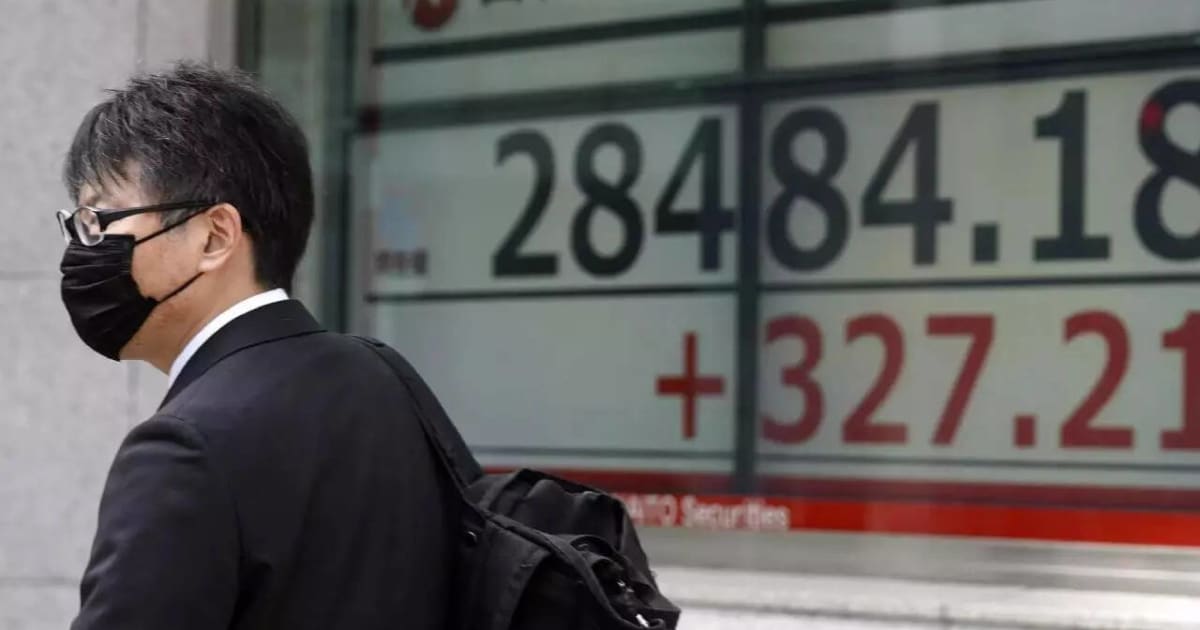
A breakthrough in US-Iran diplomatic talks has triggered a sharp correction in global crude oil prices, providing a vital lifeline to the Indian economy. We analyze the cascading effects on inflation, RBI policy, and equity valuations, identifying clear winners and losers in the NSE landscape.
The Geopolitical Pivot: Why Oil is Correcting Now
For the past eighteen months, the 'geopolitical risk premium' has been the silent tax on global equity markets. With the US and Iran reaching a tentative ceasefire, that tax is being repealed. Crude oil, which has acted as a primary engine of inflation, is seeing a technical breakdown as the market reprices the probability of supply chain disruptions in the Strait of Hormuz.
For India, a net importer of over 85% of its crude requirements, this is a macroeconomic game-changer. Historically, every $10 drop in the price of the Indian basket of crude oil narrows the Current Account Deficit (CAD) by approximately 0.4% of GDP. This relief is not merely fiscal; it is psychological, providing the Reserve Bank of India (RBI) with the necessary breathing room to pivot its hawkish stance, provided core inflation metrics remain tethered.
How will the oil price correction impact Indian manufacturing?
The correlation between crude oil prices and Indian manufacturing margins is inverse and immediate. When input costs—dominated by fuel and petrochemical feedstocks—contract, the bottom lines of companies in the paint, chemical, and logistics sectors expand without the need for volume growth. In the 2022 inflationary cycle, we saw Nifty-50 companies suffer a 150-200 basis point margin compression due to energy-driven cost-push inflation. A sustained correction toward the $70/barrel level could reverse this trend, effectively acting as a silent stimulus package for the manufacturing sector.
The Sectoral Winners: Margin Expansion Plays
The primary beneficiaries are the Oil Marketing Companies (OMCs) and the Aviation sector. For OMCs like IOCL (NSE: IOC), BPCL (NSE: BPCL), and HPCL (NSE: HPCL), lower crude prices lead to higher marketing margins on petrol and diesel, provided they maintain current retail price levels. Aviation stocks, most notably InterGlobe Aviation (NSE: INDIGO), are the most sensitive to jet fuel (ATF) costs, which account for nearly 40% of their total operating expenses.
The Losers: Upstream Exploration
Conversely, upstream producers like ONGC (NSE: ONGC) and Oil India (NSE: OIL) face a challenging outlook. Their realizations are directly pegged to global crude benchmarks. A decline in oil prices compresses their EBITDA margins immediately, as their operating costs remain sticky while top-line growth stalls. For ONGC, a $10 drop in crude prices typically impacts net realization by significant margins, often leading to a contraction in P/E ratios as the market anticipates lower profitability.
Stock-by-Stock Breakdown: Where the Smart Money is Moving
- IOCL (NSE: IOC): With a P/E hovering near 6.5x, IOCL is positioned to benefit from increased marketing margins. Watch for a potential dividend yield play as cash flows improve.
- InterGlobe Aviation (NSE: INDIGO): As the dominant player in the Indian skies, Indigo’s operating margin (OPM) is highly elastic. A 10% drop in ATF prices can lead to a 3-5% expansion in net profit margins, assuming competitive pricing remains stable.
- ONGC (NSE: ONGC): While the outlook is bearish, ONGC’s massive cash pile and dividend history provide a floor. Investors should look for entry points only after the stock tests its 200-day moving average.
- BPCL (NSE: BPCL): BPCL’s aggressive retail expansion makes it a high-beta play on domestic consumption. If crude remains suppressed, expect a significant EPS upgrade for the next two quarters.
Expert Perspective: The Bull vs. Bear Debate
The Bull Case: Bulls argue that the de-escalation is structural, not tactical. They suggest that the 'India Growth Story' is now decoupled from the volatility of the Middle East, and the reduction in the energy import bill will catalyze a massive capex cycle in the private sector, driving the Nifty toward new highs.
The Bear Case: The bears point to the 'tentative' nature of the truce. If diplomatic talks collapse, the reversal could be violent, leading to a 'gap-up' inflation shock that the market is currently underpricing. Furthermore, persistent global core inflation (excluding energy) remains a stubborn headwind that could prevent the RBI from cutting rates regardless of oil prices.
Actionable Investor Playbook
- Go Long on Downstream: Accumulate OMCs on dips. Focus on companies with high volume-growth potential in rural markets.
- Hedge Upstream Holdings: If you hold ONGC or Oil India, consider selling covered calls to mitigate downside risk while collecting premiums.
- Monitor the RBI: Watch the upcoming MPC meeting minutes. If the commentary shifts from 'withdrawal of accommodation' to 'neutral,' it is a green light to increase exposure to interest-rate-sensitive sectors like Banking and Real Estate.
Risk Matrix: Assessing the Volatility
| Risk Factor | Impact | Probability |
|---|---|---|
| Ceasefire Breakdown | High | Medium |
| Persistent Core Inflation | Medium | High |
| Global Supply Chain Stagnation | Medium | Low |
What to Watch Next
Investors must keep a close eye on the OPEC+ production quotas scheduled for announcement in the coming weeks. Any sign of supply cuts could offset the diplomatic gains. Additionally, the upcoming Indian CPI data release will be the ultimate litmus test for whether the oil price drop is effectively translating into lower domestic inflationary pressure.
See IOCL's AI Score
Our algorithmic screener scores IOCL on fundamentals, momentum, and risk — free to try, no card needed.
Try the AI Screener →Have questions about this story?
Ask Welth, our finance-focused AI research assistant, for a deeper breakdown — free trial included.
Chat with Welth AI →Disclaimer: This content is generated by WelthWest Research Desk based on publicly available reports and is for informational purposes only. It does not constitute financial advice, investment recommendations, or an offer to buy or sell securities. Always consult a qualified financial advisor before making investment decisions.
