Key Takeaway
A diplomatic thaw in the Middle East acts as a massive macro-stimulus for India by suppressing the import bill and cooling inflation. Investors should pivot from defensive energy plays to high-beta, margin-sensitive sectors.
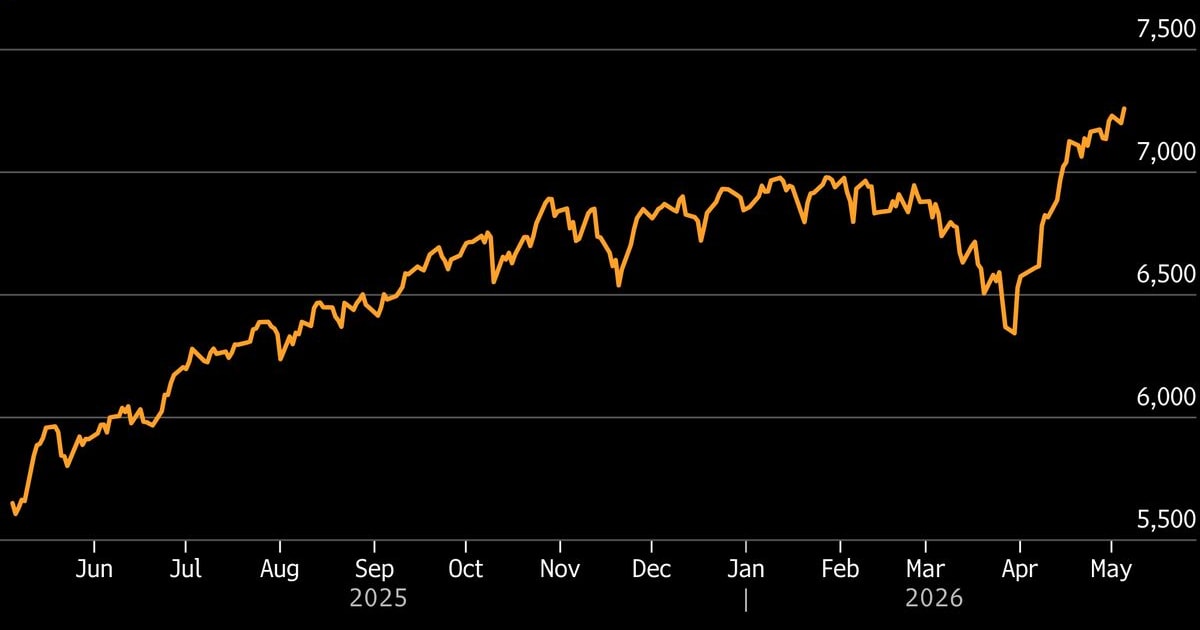
Geopolitical de-escalation between the US and Iran is triggering a collapse in crude oil premiums, providing a long-awaited tailwind for the Indian economy. We analyze the ripple effects on domestic equities, identifying the sectors set to capture windfall gains and those facing significant headwinds as the risk premium evaporates.
The Geopolitical Pivot: Why Crude Oil Prices Are Defying Expectations
For the past eighteen months, the Indian equity market has been anchored by the ‘geopolitical risk premium’—a hidden tax on the economy manifested through volatile crude oil prices. With recent signals of diplomatic de-escalation between the US and Iran, the market is finally pricing in a potential supply-side normalization. This is not merely a headline event; it is a fundamental shift in the macro-economic narrative for the Indian Rupee (INR) and the Reserve Bank of India’s (RBI) monetary policy trajectory.
Historically, India’s Current Account Deficit (CAD) is highly sensitive to the price of the Indian Basket of crude oil. Every $10 per barrel increase in oil prices typically widens the CAD by approximately 0.4% of GDP. As tensions ease, the projected decline in oil prices serves as a direct boost to fiscal health, providing the government with the headroom to focus on capital expenditure rather than subsidy management.
How will falling crude prices impact Indian manufacturing margins?
The manufacturing sector in India has been grappling with sticky input costs throughout FY24. Crude oil is the primary feedstock for a vast array of industrial processes, from petrochemical derivatives used in plastics to asphalt for infrastructure. When oil prices retract, we observe a delayed but powerful expansion in Gross Margins across the FMCG and Paint sectors.
Consider the Paint industry, where titanium dioxide and crude-linked solvents constitute a significant portion of the cost of goods sold (COGS). A sustained drop in oil prices allows companies like Asian Paints to expand their operating margins without aggressive price hikes, thereby stimulating volume growth in an otherwise price-sensitive rural market. We expect a 150-250 basis point margin expansion for companies in this space if oil remains below the $75/bbl threshold for two consecutive quarters.
Sector-Level Winners and Losers
The Winners: Margin Expansion Plays
- Aviation (InterGlobe Aviation/IndiGo): Fuel accounts for nearly 40% of an airline's operating cost. Lower ATF (Aviation Turbine Fuel) prices directly translate to bottom-line profitability.
- OMCs (IOCL, BPCL, HPCL): While they often face inventory losses during a sharp drop, the long-term benefit is the removal of the need to subsidize retail prices, leading to more predictable marketing margins.
- FMCG: Reduced logistics and distribution costs act as an immediate tailwind for EBITDA margins.
The Losers: The Risk Premium Evaporates
- Upstream Oil & Gas (ONGC, Oil India): Their realization prices are tethered to global benchmarks. A price correction hurts their top-line revenue and profitability.
- Defence Stocks: Many defence manufacturers enjoyed a valuation premium due to heightened global instability. A 'peace dividend' environment often leads to multiple contraction in these high-valuation stocks.
Stock-by-Stock Deep Dive
InterGlobe Aviation (IndiGo): With a dominant market share of over 60%, IndiGo is the primary proxy for lower oil prices. At a P/E ratio that has been tempered by high fuel costs, a sustained decline in crude could lead to a significant EPS revision for FY25.
Asian Paints: The stock has faced pressure due to competitive intensity and raw material volatility. A reduction in crude prices serves as a structural tailwind for their bottom line, potentially restoring ROE to historical averages above 25%.
ONGC & Oil India: These stocks have outperformed as hedges against inflation. Investors should be wary of mean reversion here; as oil cools, the 'windfall tax' dynamics may change, but the core revenue realization will drop, likely leading to a cooling of share price momentum.
BPCL: As an OMC, BPCL benefits from the normalization of marketing margins. Unlike upstream producers, OMCs gain from volume growth as lower fuel prices encourage higher consumption across the logistics and transport sectors.
The Contrarian Perspective: Why the Bears Might Be Right
While the bulls are focused on the macro-stimulus, the bears argue that this rally is fragile. The primary risk is the 'diplomatic failure' scenario. If negotiations between the US and Iran stall, the market will experience a violent 'snap-back' rally in oil prices. Furthermore, the global economy is still struggling with high interest rates. Even if oil prices drop, the 'sticky inflation' narrative, driven by services and wages, may prevent central banks from initiating aggressive rate cuts, thereby limiting the upside for the broader Nifty 50.
Actionable Investor Playbook
- Strategic Rotation: Reduce exposure to 'Geopolitical Hedges' (Defence, Gold ETFs) and rotate into 'Margin-Expansion' plays (Aviation, Paint, Consumer Durables).
- Entry Points: Look for consolidation phases in OMCs. Do not chase the initial spike; wait for the first-quarter earnings reports to confirm margin expansion.
- Time Horizon: This is a 6-12 month trade. Monitor the Iran-US diplomatic communique as your primary 'sell' signal for the trade.
Risk Matrix
| Risk Factor | Impact | Probability |
|---|---|---|
| Negotiation Collapse | High | Moderate |
| Sticky Global Inflation | Medium | High |
| OPEC+ Production Cuts | High | Moderate |
What to Watch Next
Investors must keep a close eye on the US CPI data and OPEC+ meeting minutes scheduled for next month. Any unexpected production cuts from OPEC+ could offset the benefits of the US-Iran deal, effectively trapping the market in a range-bound environment. Additionally, monitor the RBI Monetary Policy Committee (MPC) meeting minutes for any shift in language regarding the inflation outlook in light of cooling commodity prices.
See IOCL's AI Score
Our algorithmic screener scores IOCL on fundamentals, momentum, and risk — free to try, no card needed.
Try the AI Screener →Have questions about this story?
Ask Welth, our finance-focused AI research assistant, for a deeper breakdown — free trial included.
Chat with Welth AI →Disclaimer: This content is generated by WelthWest Research Desk based on publicly available reports and is for informational purposes only. It does not constitute financial advice, investment recommendations, or an offer to buy or sell securities. Always consult a qualified financial advisor before making investment decisions.
