Key Takeaway
The potential normalization of Iranian oil supply acts as a structural tailwind for India’s current account, effectively providing an 'invisible' stimulus to OMCs and consumer discretionary sectors while pressuring upstream producers.
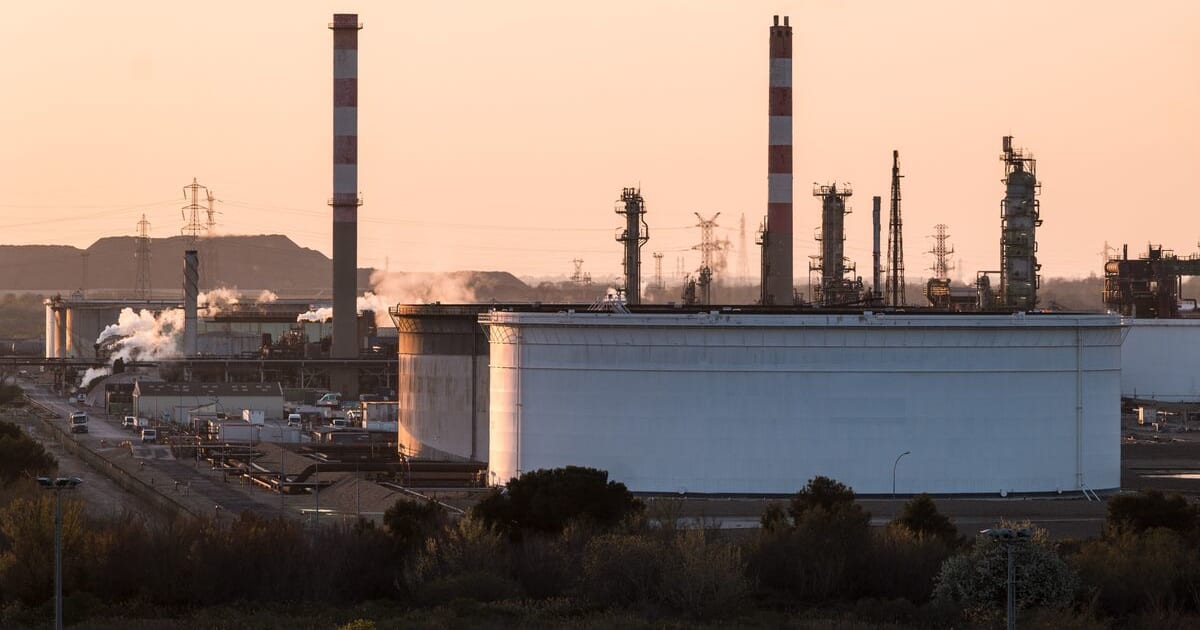
Geopolitical de-escalation in the Middle East is set to trigger a significant correction in global crude oil prices. For the Indian economy, this represents a crucial pivot point for inflation management and RBI policy. We break down the winners, losers, and the actionable investment strategy for this shifting energy paradigm.
The Geopolitical Pivot: Why Crude Oil is Re-pricing
For the past two years, the Indian equity market has been held hostage by the 'geopolitical risk premium' embedded in global crude oil prices. With reports indicating that the US and Iran are nearing a breakthrough in diplomatic negotiations, the global energy supply chain is bracing for a structural supply-side expansion. As the world’s third-largest oil importer, India stands as the primary beneficiary of this recalibration.
Historically, when Brent crude drops by $10 per barrel, India’s import bill shrinks by approximately $12-14 billion annually. This is not merely a balance-of-payments improvement; it is a direct boost to the Reserve Bank of India’s (RBI) ability to maintain a neutral or dovish stance on interest rates, as fuel inflation—the most volatile component of the CPI basket—begins to cool.
How will the RBI rate cut cycle affect Indian bank and consumer stocks?
If crude oil stabilizes below the $75 per barrel mark, the secondary effects on the Indian economy will be profound. A lower oil import bill stabilizes the Indian Rupee (INR), which in turn reduces the cost of imported inputs for manufacturing. When the RBI gains space to pause or cut rates, liquidity conditions in the banking sector improve. Banks with high exposure to retail credit, such as HDFC Bank (NSE: HDFCBANK) and ICICI Bank (NSE: ICICIBANK), typically see valuation expansion as the cost of funds drops, allowing for better Net Interest Margins (NIMs) in a cooling inflationary environment.
Sectoral Winners and Losers: A Deep Dive
The market impact is binary. We are observing a clear rotation from 'defensive' energy producers to 'consumer-led' industrial and service sectors.
The Winners: OMCs and Margin-Expansion Plays
- Oil Marketing Companies (IOCL, BPCL, HPCL): These firms have historically suffered from 'under-recoveries' when global prices spike. A sustained drop in crude allows these OMCs to improve their Gross Refining Margins (GRMs) significantly. Bharat Petroleum (NSE: BPCL), with its high refining complexity, is positioned to see the most immediate cash flow improvement.
- Aviation (InterGlobe Aviation/IndiGo): Aviation Turbine Fuel (ATF) constitutes roughly 40% of an airline's operating cost. A 10% drop in crude prices can lead to a 3-5% expansion in EBITDAR margins for IndiGo (NSE: INDIGO), providing the pricing power to capture market share.
- Paint & Chemical Manufacturers: Firms like Asian Paints (NSE: ASIANPAINT) rely on crude-linked derivatives. Reduced raw material costs act as an immediate margin tailwind, often leading to a P/E re-rating as analysts upgrade earnings forecasts.
The Losers: Upstream and Safe-Havens
- Upstream Producers (ONGC, Oil India): These companies are 'price takers.' Their revenue is directly correlated to the global crude price. A sharp decline in Brent directly hits their EBITDA per barrel, making ONGC (NSE: ONGC) less attractive in a low-oil-price environment.
- Gold ETFs and Jewelry Retailers: Gold and oil often share a complex relationship. As geopolitical risk premiums evaporate, the 'safe-haven' appeal of gold diminishes. Expect outflows from Gold ETFs as investors rotate back into high-beta growth stocks.
Actionable Investor Playbook
Investors should adopt a 'Barbell Strategy' to navigate this transition:
- The Accumulation Phase: Focus on OMCs and high-beta aviation stocks during the initial dip. Look for entry points when the 14-day RSI on these stocks approaches the 40-45 level.
- The Hedging Phase: Maintain a small allocation to defensive assets, but trim exposure to upstream oil producers if crude breaks below the $70 support level.
- Time Horizon: This is a medium-term trade (6-18 months). Monitor the monthly trade deficit data released by the Ministry of Commerce; a narrowing deficit will be the primary confirmation of this thesis.
Risk Matrix
| Risk Factor | Probability | Impact |
|---|---|---|
| Diplomatic Breakdown | Medium | High |
| OPEC+ Production Cuts | High | Medium |
| Global Recessionary Demand Shock | Low | Very High |
What to Watch Next
The immediate catalysts are the upcoming OPEC+ summit and the monthly RBI Monetary Policy Committee (MPC) minutes. Watch for the 'Crude-to-INR' correlation coefficient; if the Rupee begins to strengthen against the USD despite global market volatility, it is the strongest signal that the market is pricing in a structural reduction in India's energy import burden.
See IOCL's AI Score
Our algorithmic screener scores IOCL on fundamentals, momentum, and risk — free to try, no card needed.
Try the AI Screener →Have questions about this story?
Ask Welth, our finance-focused AI research assistant, for a deeper breakdown — free trial included.
Chat with Welth AI →Disclaimer: This content is generated by WelthWest Research Desk based on publicly available reports and is for informational purposes only. It does not constitute financial advice, investment recommendations, or an offer to buy or sell securities. Always consult a qualified financial advisor before making investment decisions.
