Key Takeaway
A sustained crude oil price correction acts as a massive tailwind for India's Current Account Deficit and corporate margins. Investors should pivot toward downstream oil consumers while hedging against the inherent fragility of geopolitical ceasefires.
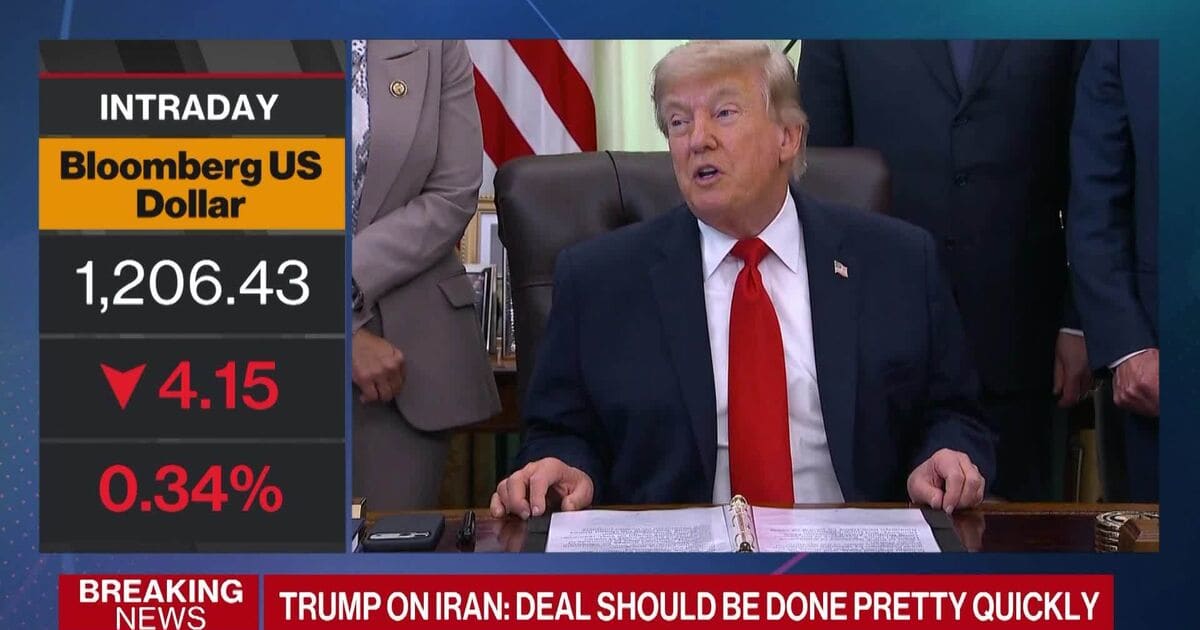
Geopolitical de-escalation between the US and Iran is triggering a sharp correction in global crude oil prices. For India, a net importer, this is a macroeconomic game-changer that eases inflationary pressure and boosts profitability for energy-dependent sectors. We analyze the winners, losers, and the critical risks investors must monitor.
The Geopolitical Pivot: Why Crude Oil is Deflating
The global energy landscape is undergoing a rapid recalibration following signals of de-escalation between the United States and Tehran. Crude oil, the lifeblood of the Indian economy, has responded with immediate volatility, shedding significant value as market participants price in a potential easing of supply-side constraints. For India, a nation that imports over 85% of its crude requirements, this development is more than just a headline—it is a macroeconomic stimulus package.
Historically, every $10 drop in crude prices translates into a roughly 0.5% improvement in India’s Current Account Deficit (CAD) and a significant cooling of headline CPI inflation. As we observe the current price action, we are revisiting the market dynamics of 2022, where oil price spikes choked corporate margins and forced the Reserve Bank of India (RBI) into a hawkish corner. Today, the reversal of that trend offers a rare window for margin expansion across the manufacturing and logistics value chain.
How will the RBI rate trajectory shift with lower oil prices?
The correlation between crude oil prices and the RBI’s monetary policy is undeniable. When oil prices surge, imported inflation forces the central bank to maintain higher interest rates to defend the Rupee. A sustained decline in oil prices provides the RBI with the necessary fiscal space to pivot toward a more accommodative stance. Should Brent Crude stabilize at lower levels, we expect bond yields to soften, providing a valuation floor for growth-oriented sectors like IT and Consumer Durables, while easing the cost-of-carry for highly leveraged firms.
Deep Market Impact: Sectoral Winners and Losers
The impact of this energy correction is bifurcated. Downstream industries that treat crude derivatives as primary raw materials are set to see immediate margin accretion. Conversely, upstream entities will face top-line pressure as their realization prices decline.
The Winners: Downstream Consumers
- Oil Marketing Companies (OMCs): With lower input costs and the ability to hold retail prices steady, marketing margins for firms like IOCL and BPCL are projected to expand significantly.
- Paint Manufacturers: Companies like Asian Paints utilize crude-linked derivatives (solvents/resins). Falling oil prices provide a direct boost to EBITDA margins, which have been under pressure due to high input costs.
- Aviation: Fuel accounts for ~40% of operational expenditure for carriers like InterGlobe Aviation (Indigo). A 10% drop in crude prices can lead to a disproportionate increase in net profit margins.
- Tyre & Logistics: Lower bitumen and synthetic rubber costs, combined with reduced fuel surcharges, create a dual-tailwind for the logistics and automotive supply chain.
Stock-by-Stock Breakdown
1. IOCL (Indian Oil Corporation) - NSE: IOCL: As a dominant OMC, IOCL stands to gain from improved gross marketing margins. With a P/E ratio hovering at ~6x, the stock is attractively valued for a margin-expansion play.
2. BPCL (Bharat Petroleum) - NSE: BPCL: BPCL’s high sensitivity to refining margins makes it a tactical buy. Historically, BPCL outperforms when crude volatility subsides, as it allows for better inventory management and higher GRMs (Gross Refining Margins).
3. Asian Paints - NSE: ASIANPAINT: Despite a premium valuation (P/E ~55x), the margin expansion story is compelling. As crude prices fall, the company's ability to maintain high margins without aggressive price hikes will drive earnings upgrades.
4. InterGlobe Aviation (Indigo) - NSE: INDIGO: Indigo is the primary beneficiary of lower ATF (Aviation Turbine Fuel) prices. Given their dominant market share, any reduction in fuel costs flows directly to the bottom line.
5. ONGC (Oil & Natural Gas Corp) - NSE: ONGC: The primary loser. As an upstream player, ONGC’s realizations are directly pegged to global oil prices. We maintain a cautious view here as the windfall tax regime may not be revoked immediately, compressing margins.
Expert Perspective: The Bull-Bear Debate
The Bull Case: The 'Goldilocks' scenario—lower inflation, stable currency, and higher corporate earnings—is the perfect setup for a Nifty breakout above previous resistance levels. The market is currently under-pricing the structural margin expansion for the Nifty 50 constituents.
The Bear Case: Geopolitical deals in the Middle East are notoriously fragile. A sudden breakdown in negotiations could trigger a 'short squeeze' in crude, reversing all gains. Furthermore, a global recession could dampen demand regardless of supply-side news.
Actionable Investor Playbook
Investors should adopt a staggered entry approach. Do not chase the rally on the first day of the news cycle. Instead, monitor the following:
- Entry Strategy: Look for a 3-5% consolidation in OMCs and Aviation stocks after the initial spike.
- Time Horizon: This is a 6-12 month trade. Focus on the quarterly earnings cycle where margin expansion will become visible.
- Risk Management: Keep a stop-loss on energy-consumer positions if oil prices rebound by >15% from the lows.
Risk Matrix
| Risk Factor | Probability | Impact |
|---|---|---|
| Fragile Deal Breakdown | High | Severe |
| OPEC+ Production Cuts | Medium | Moderate |
| Rupee Depreciation | Medium | High |
What to Watch Next
The immediate catalyst is the official confirmation from the Iranian ministry regarding the terms of the deal. Beyond that, keep a close watch on the OPEC+ monthly meeting, as they may move to tighten supply to counter the price drop. Finally, monitor the RBI MPC meeting minutes for any dovish signals regarding interest rates, which will act as the ultimate confirmation of the 'lower-for-longer' oil price thesis.
See IOCL's AI Score
Our algorithmic screener scores IOCL on fundamentals, momentum, and risk — free to try, no card needed.
Try the AI Screener →Have questions about this story?
Ask Welth, our finance-focused AI research assistant, for a deeper breakdown — free trial included.
Chat with Welth AI →Disclaimer: This content is generated by WelthWest Research Desk based on publicly available reports and is for informational purposes only. It does not constitute financial advice, investment recommendations, or an offer to buy or sell securities. Always consult a qualified financial advisor before making investment decisions.
