Key Takeaway
The sudden collapse in crude prices acts as a massive macroeconomic tailwind for India, effectively serving as a 'stealth stimulus' for the current account and corporate margins. Investors should pivot toward input-cost sensitive sectors while hedging against the inherent volatility of geopolitical peace deals.
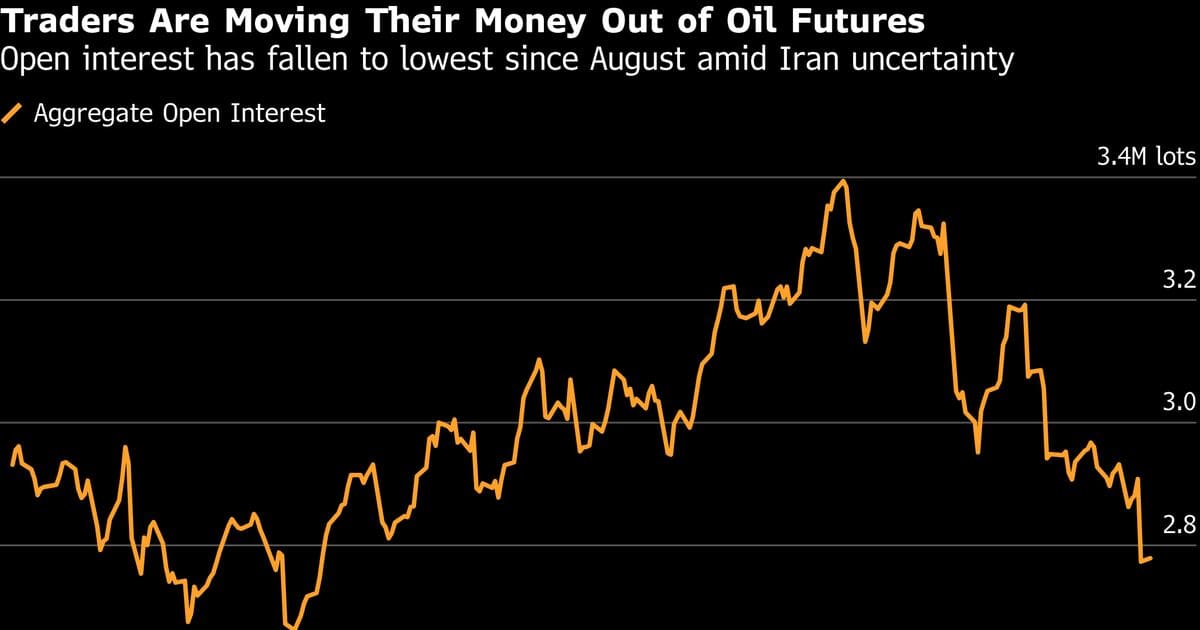
Geopolitical cooling between the US and Iran has sent global crude prices into a tailspin, providing India with a critical reprieve from import-led inflation. We analyze the profound shift in the Indian market landscape, identifying the clear winners in aviation and manufacturing while cautioning against the risks of a fragile diplomatic thaw.
The Geopolitical Pivot: Why Crude’s Collapse Changes Everything
For an economy that imports over 85% of its crude oil requirements, the recent de-escalation between the United States and Iran is not merely a diplomatic headline—it is a macroeconomic game-changer. As global benchmark prices retreat from their recent highs, the structural pressure on India's Current Account Deficit (CAD) begins to dissipate. This shift provides the Reserve Bank of India (RBI) with the long-awaited breathing room to pivot its interest rate stance, potentially fueling a broader market rally in rate-sensitive sectors.
Historically, whenever India’s import bill shrinks due to a 10% drop in oil prices, the Nifty 50 has shown a tendency to consolidate its gains and expand valuation multiples. In 2022, when oil prices surged beyond $120/bbl, the resultant inflationary shock squeezed corporate margins across the board. The current reversal suggests a return to a more stable cost-of-production environment, essentially acting as a margin expansion catalyst for India Inc.
How will the RBI rate cut affect bank stocks and consumer demand?
The correlation between oil prices and the RBI’s monetary policy is direct and undeniable. Lower crude prices reduce the landed cost of fuel, which suppresses headline CPI inflation. As inflation cools, the real interest rate differential becomes more attractive, allowing the Monetary Policy Committee (MPC) to hold or cut rates rather than hike. For the banking sector, this is a double-edged sword: while lower rates compress Net Interest Margins (NIMs) slightly, the resulting boost in credit demand from corporate borrowers and retail consumers typically offsets the impact.
Sector-Level Analysis: Who Wins and Who Loses?
The market impact is binary. We are observing a distinct rotation of capital away from energy-heavy upstream entities toward sectors that have suffered under the weight of high raw material costs.
The Winners: Margin Expansion Plays
- Aviation (Indigo/InterGlobe Aviation): Fuel accounts for 40-50% of an airline's operating cost. A sustained dip in ATF (Aviation Turbine Fuel) prices directly flows to the bottom line, significantly boosting EBITDA margins.
- Paints (Asian Paints): Crude derivatives are the primary raw materials for titanium dioxide and other solvents. As input costs drop, Asian Paints, with its massive distribution network, is poised to see a margin recovery that was previously constrained by cost-push inflation.
- Tyres (MRF, Apollo Tyres): Synthetic rubber is a crude derivative. Lower oil prices provide immediate relief to the sector's gross margins.
- OMCs (IOCL, BPCL, HPCL): While OMCs often face marketing losses when retail prices are frozen, a crash in crude prices allows them to recover under-recoveries and improve their balance sheets rapidly.
The Losers: Upstream Underperformers
Entities like ONGC and OIL are negatively impacted. Their revenue is intrinsically linked to the price of crude oil. As realisations drop, their top-line growth and free cash flow generation face immediate headwinds, leading to a de-rating of their P/E multiples.
Stock-by-Stock Breakdown
- IOCL (NSE: IOC): As a refining giant, IOCL benefits from a stabilization in inventory valuations and improved marketing margins. Look for a potential expansion in ROE as fuel subsidy burdens ease.
- Asian Paints (NSE: ASIANPAINT): With a P/E often hovering in the high 50s, the market demands growth. Lower input costs provide the necessary margin buffer to maintain these valuations even in a high-growth environment.
- Indigo (NSE: INDIGO): The primary beneficiary of the 'fuel-cost-as-a-percentage-of-revenue' metric. Watch for a shift in yield management strategies as fuel costs drop.
- ONGC (NSE: ONGC): As a pure-play upstreamer, the stock’s valuation is a proxy for Brent. Investors should expect volatility here as the market prices in lower realisations.
Expert Perspective: The Bull vs. Bear Case
The Bull Argument: Bulls contend that this is a 'Goldilocks' scenario. The combination of lower inflation, a stronger Rupee (due to a lower import bill), and a potential RBI pivot creates a perfect environment for domestic cyclical stocks. They argue that the market is currently underestimating the extent of margin expansion for FMCG and manufacturing firms.
The Bear Argument: Bears point to the fragility of the peace deal. They argue that geopolitical friction in the Middle East is systemic, not cyclical. If negotiations break down, the price of crude could spike by 20% in a single week, leaving those who piled into input-cost sensitive stocks holding the bag on margin compression.
Actionable Investor Playbook
- Entry Points: Look for aviation and paint stocks that have corrected due to general market sentiment, even as their fundamental outlook improves.
- Time Horizon: This is a 6-12 month trade. Focus on companies with high operating leverage that can translate lower input costs into massive earnings per share (EPS) growth.
- Hedging: Maintain a small allocation to oil-linked ETFs or upstream stocks as a hedge against a collapse in the US-Iran diplomatic framework.
Risk Matrix
| Risk Factor | Impact | Probability |
|---|---|---|
| Geopolitical Reversal | High | Moderate |
| Supply Chain Disruption | Medium | Low |
| OPEC+ Production Cut | High | Moderate |
What to Watch Next
Investors must monitor the upcoming OPEC+ ministerial meetings and the US Treasury’s stance on Iranian sanctions waivers. Additionally, the next RBI MPC minutes will provide the clearest signal on whether the central bank is ready to move toward a more accommodative stance. Keep a close eye on the WTI/Brent spread; any widening could indicate local logistical constraints despite global price drops.
See IOCL's AI Score
Our algorithmic screener scores IOCL on fundamentals, momentum, and risk — free to try, no card needed.
Try the AI Screener →Have questions about this story?
Ask Welth, our finance-focused AI research assistant, for a deeper breakdown — free trial included.
Chat with Welth AI →Disclaimer: This content is generated by WelthWest Research Desk based on publicly available reports and is for informational purposes only. It does not constitute financial advice, investment recommendations, or an offer to buy or sell securities. Always consult a qualified financial advisor before making investment decisions.
