Key Takeaway
Rising crude oil prices threaten India's current account and inflation outlook, pressuring the RBI and creating headwinds for energy-intensive sectors. Simultaneously, the global AI chip rally presents a significant tailwind for Indian IT services firms with robust AI capabilities, creating a bifurcated market opportunity for astute investors.
Global markets are at a critical juncture, driven by twin forces: escalating Middle East tensions pushing crude oil prices towards $100, and an unyielding AI-fueled rally in Asian semiconductor stocks. This WelthWest deep dive explores the profound, contrasting implications for India's economy and stock market, identifying key winners and losers across sectors like energy, IT, and logistics. Understand the 'why now' behind these movements and craft an actionable investment playbook.
Oil Surges, AI Chips Soar: India's Market Crossroads — Winners & Losers
The global financial landscape is currently navigating a complex confluence of forces, presenting both significant headwinds and tailwinds for investors. Geopolitical tensions in the Middle East have reignited fears of supply disruptions, propelling crude oil prices towards the critical $100 per barrel mark. Simultaneously, an insatiable demand for artificial intelligence (AI) infrastructure is fueling an unprecedented rally in Asian semiconductor stocks, creating a fascinating divergence in global market sentiment. For India, a major oil importer and a burgeoning tech hub, these dual narratives carry profound and often contradictory implications, shaping the trajectory of its economy and the fortunes of its leading companies.
This WelthWest Research Desk exclusive delves deep into the intricate interplay of these global phenomena, dissecting their 'why now' immediacy and providing an unparalleled analysis of their specific impact on the Indian stock market. We move beyond headlines to offer data-driven insights, historical context, and actionable strategies for navigating this evolving market environment.
What Happened: A Dual Global Shock Reshaping Indian Market Dynamics
The recent surge in crude oil prices, with Brent futures nearing the psychological $100 per barrel threshold, is a direct consequence of escalating geopolitical instability in the Middle East. Any perceived threat to the region's vast oil production capacity or critical shipping lanes instantly translates into higher prices, as markets price in supply risk. This is not merely a transient price fluctuation; it reflects a structural repricing of geopolitical risk in a world already grappling with tight supply-demand dynamics post-pandemic.
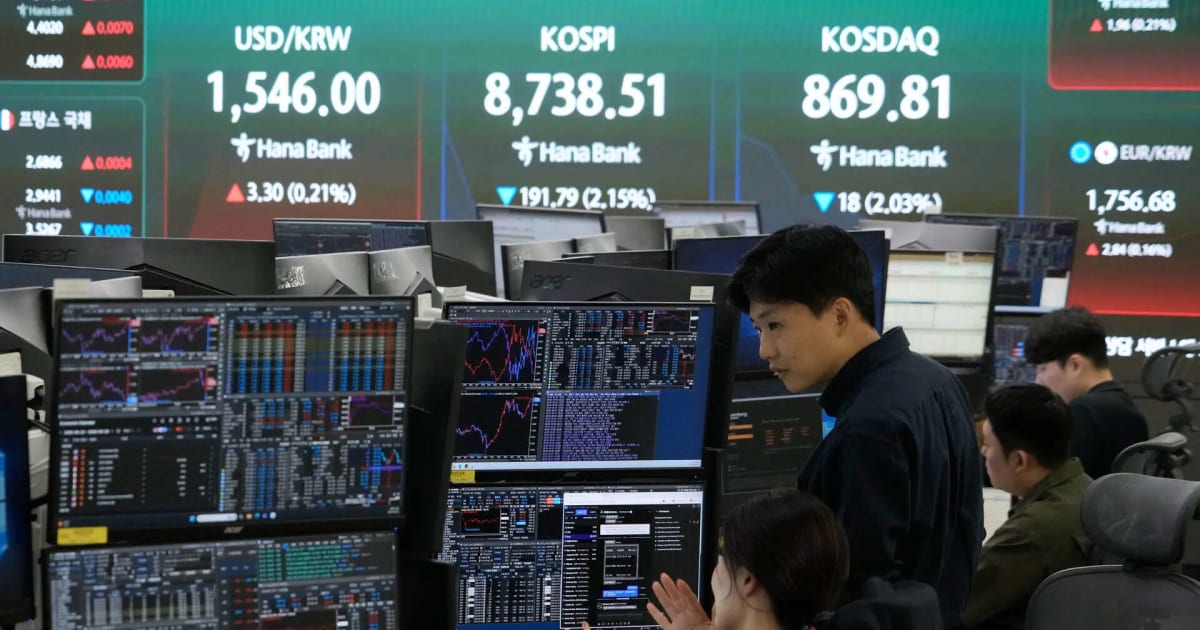
Concurrently, a distinct narrative is unfolding in the technology sector. The relentless global pursuit of AI capabilities, from large language models to advanced data analytics, is creating an unprecedented demand for high-performance semiconductors. Asian chip manufacturers, particularly those in South Korea and Taiwan, are at the forefront of this boom, witnessing significant stock appreciation. This AI enthusiasm isn't confined to hardware; it's a powerful sentiment driver, influencing investment flows into the broader technology ecosystem globally.
For India, these two events represent a powerful push-and-pull. As the world's third-largest oil importer, a sustained rise in crude prices directly inflates India's import bill, exacerbating the current account deficit (CAD). The CAD, which stood at 1.0% of GDP in Q3 FY24, could widen significantly, potentially triggering rupee depreciation. This, in turn, fuels imported inflation, pressuring the Reserve Bank of India (RBI) to maintain a hawkish monetary policy stance, thereby impacting domestic consumption and investment. The last time Brent crude consistently traded above $100 in 2022, India's CAD widened to 2.1% of GDP, and the rupee depreciated by over 10% against the dollar, providing a stark historical parallel for the current environment.
Conversely, the AI-driven tech rally offers a silver lining. Indian IT services companies, deeply embedded in the global technology value chain, stand to benefit from increased enterprise spending on AI/ML solutions, cloud migration, and digital transformation. While not direct beneficiaries of chip manufacturing, their role in implementing and servicing these advanced technologies positions them favorably to capture a share of the burgeoning AI economy.
Deep Market Impact Analysis: Navigating India's Economic Crosscurrents
The immediate and profound impact of these global events on the Indian stock market cannot be overstated. The Nifty 50 and BSE Sensex, while resilient, are highly sensitive to both energy costs and global tech trends. A sustained rise in crude oil above $95-$100 per barrel typically triggers a defensive shift in investor sentiment, as concerns over macroeconomic stability take precedence.
Historically, every $10 increase in crude oil prices is estimated to widen India's current account deficit by approximately 0.5% of GDP and add 30-40 basis points to headline inflation. This inflationary pressure directly impacts consumer purchasing power and corporate margins, particularly for sectors with high energy intensity. The RBI's Monetary Policy Committee (MPC) will be under immense pressure to prioritize inflation control, potentially delaying anticipated interest rate cuts or even contemplating hikes, a scenario that would weigh heavily on interest-rate sensitive sectors like banking, auto, and real estate.
Conversely, the AI revolution is injecting fresh optimism into the technology sector. Global IT spending on AI is projected to grow by over 20% annually for the next five years, creating a massive opportunity for Indian IT services giants. These companies, with their extensive talent pools and proven capabilities in cloud, data analytics, and machine learning, are strategically positioned to capture a significant portion of this growth. Increased demand for AI-driven solutions from global clients translates into higher deal wins, better pricing power, and ultimately, improved revenue growth and profitability for these firms.
Which Indian Stocks Will Thrive or Dive Amidst Oil & AI Swings?
The bifurcated market impact creates clear winners and losers within the Indian equity landscape. Investors must meticulously analyze sector-specific exposures and strategic positioning to identify opportunities and mitigate risks.
- Oil & Gas Exploration & Production (E&P) Companies: Winners. Firms engaged in upstream activities directly benefit from higher crude oil prices. Their realization rates improve, boosting revenues and profitability. ONGC (NSE: ONGC), India's largest crude oil and natural gas producer, is a prime beneficiary. With a market capitalization exceeding INR 3.4 trillion and a trailing P/E ratio of approximately 8x, ONGC's stock performance is highly correlated with international crude benchmarks. Every $1 increase in Brent crude can add significantly to its per-share earnings. Similarly, Oil India Ltd (NSE: OIL), another state-owned E&P major, sees its financial health improve dramatically with rising crude prices. Their integrated business models often provide a hedge against refining margins, which can be squeezed by high input costs.
- Indian IT Services Companies with Strong AI/ML Offerings: Winners. Companies that have proactively invested in AI/ML capabilities, built robust digital transformation practices, and cater to global enterprises embracing AI stand to gain. Tata Consultancy Services (NSE: TCS), with its vast global client base and significant investments in AI accelerators and platforms, is well-positioned. TCS's recent deal wins often highlight AI integration. Its current market cap of over INR 14 trillion and P/E ratio of ~30x reflect its premium positioning. Peers like Infosys (NSE: INFY), HCLTech (NSE: HCLTECH), and Wipro (NSE: WIPRO), all actively pursuing AI-driven growth strategies, will also see increased demand for their consulting, implementation, and managed services in the AI domain. Their ability to cross-sell AI solutions to existing clients and win new AI-centric contracts will be crucial.
- Airlines, Logistics, and Shipping Companies: Losers. These sectors are highly sensitive to fuel costs, which constitute a significant portion of their operating expenses. For airlines like IndiGo (InterGlobe Aviation Ltd, NSE: INDIGO), every $1 increase in crude oil can reduce their profitability by millions of dollars annually. Their ability to pass on these costs through higher fares is often constrained by competitive pressures and demand elasticity. Similarly, logistics and shipping firms face increased freight costs, impacting their margins and potentially leading to higher consumer prices for goods.
- Petrochemical Companies and High Energy Consumers: Losers. Companies that use crude oil derivatives as primary raw materials, such as petrochemicals, will see their input costs surge. While large integrated players like Reliance Industries Ltd (NSE: RELIANCE) have refining and exploration segments that benefit from higher crude, their massive petrochemical operations face margin pressure. The net impact depends on the spread between crude and product prices. Other manufacturing sectors with high energy consumption, such as cement, metals, and fertilizers, will also experience elevated operating costs, eroding profitability if they cannot fully pass on these increases.
Expert Perspective: Bulls vs. Bears on India's Market Outlook
The current market environment fosters a fascinating debate among market participants.
The Bulls argue that India's domestic consumption story remains robust, providing a crucial buffer against global shocks. They contend that the government's capital expenditure push and structural reforms will continue to drive economic growth. Furthermore, they believe that Indian IT services companies are uniquely positioned to leverage the global AI boom, offering a long-term growth secular trend that offsets short-term oil price volatility. They point to the Nifty's historical resilience, often recovering swiftly from external shocks, and highlight India's improving fiscal health compared to previous oil price spikes. 'India's demographic dividend and digital transformation journey are too powerful to be derailed by temporary commodity price swings,' asserts a prominent fund manager, emphasizing the structural tailwinds for equity markets.
The Bears, however, present a more cautious outlook. Their primary concern revolves around the potential for sustained high inflation and a widening CAD, which could force the RBI to maintain a restrictive monetary policy for longer than anticipated. This would stifle credit growth, dampen corporate earnings, and potentially lead to a derating of equity valuations. They also caution that while AI is a significant opportunity, the initial benefits might accrue more to global tech giants and chipmakers, with Indian IT services firms facing intense competition and margin pressures in a rapidly evolving landscape. The risk of a global economic slowdown, exacerbated by high energy costs, could also impact outsourcing demand. 'The spectre of stagflation, even if mild, cannot be ignored if crude remains elevated. This could be a significant drag on earnings growth across broad swathes of the Indian economy,' warns a veteran market strategist.
Actionable Investor Playbook: Navigating the Dual Shock
In this complex environment, a nuanced and diversified investment strategy is paramount. Investors should consider rebalancing portfolios to capitalize on the emerging trends while mitigating risks.
- Allocate to Upstream Energy: Consider increasing exposure to E&P companies like ONGC and Oil India. These stocks offer a direct hedge against rising crude prices. Entry points around their 200-day moving averages during minor pullbacks could be opportune. The time horizon for this play is medium-term (6-12 months), contingent on sustained geopolitical tensions.
- Bet on AI-Enabled IT Services: Focus on large-cap Indian IT services firms (TCS, Infosys, HCLTech) that have demonstrated strong capabilities and deal wins in AI/ML, cloud, and digital transformation. Look for companies with robust order books and healthy revenue visibility in these segments. Long-term accumulation (1-3 years) is advisable, as the AI theme is a multi-year secular growth story. Monitor their quarterly earnings calls for commentary on AI deal pipeline and pricing.
- Reduce Exposure to Energy-Intensive Sectors: Trim positions in airlines, logistics, and petrochemicals unless specific company-level hedges or pricing power are evident. These sectors will likely face sustained margin pressure. For companies like IndiGo, watch for crude oil price dips as potential short-term trading opportunities, but maintain a cautious long-term stance.
- Monitor Financials for Rate Sensitivity: While not direct beneficiaries or losers of the immediate shocks, banks and NBFCs are highly sensitive to interest rate movements. If the RBI is forced to hike rates, their cost of funds could rise, impacting net interest margins. Maintain a 'watch' stance on this sector, prioritizing those with strong asset quality and diversified funding sources.
- Consider Inflation Hedges: Beyond oil E&P, consider assets that traditionally perform well in inflationary environments, such as gold or certain real estate segments, though direct equity plays in real estate might be impacted by higher interest rates.
Risk Matrix: Assessing the Probabilities
Understanding the potential pitfalls is crucial for risk-adjusted returns.
- Escalation of Middle East Conflicts (Probability: Medium-High): A significant widening of the conflict could push crude oil well above $100 and sustain it there, leading to a severe global economic downturn and amplified inflationary pressures in India. This is the primary macro risk.
- Global AI Adoption Slowdown (Probability: Low-Medium): While unlikely given current momentum, a slowdown in enterprise AI adoption due to economic recession, regulatory hurdles, or unforeseen technological challenges could temper the growth prospects for IT services companies. Investor sentiment could shift rapidly.
- RBI Policy Error (Probability: Medium): If the RBI misjudges the balance between inflation control and growth support, it could either allow inflation to run unchecked (hurting consumers) or tighten too aggressively (stifling economic activity), both detrimental to equity markets.
- Global Recession Triggered by High Energy Costs (Probability: Medium): A sustained period of high oil prices could tip major global economies into recession, impacting export demand for Indian goods and services, including IT outsourcing.
What to Watch Next: Catalysts and Data Releases
Investors should closely monitor several key indicators and events:
- Geopolitical Developments in the Middle East: Any new developments, diplomatic efforts, or military actions will immediately impact crude oil prices. This is the most unpredictable, yet potent, short-term catalyst.
- RBI Monetary Policy Meetings: The upcoming MPC meetings will provide critical insights into the central bank's stance on inflation and interest rates. Their commentary on the current account deficit and rupee stability will be closely watched.
- India's Monthly Trade Deficit and Inflation Data: These macroeconomic releases will provide real-time data on the impact of higher crude oil prices on India's external balances and domestic price levels. A persistent widening of the trade deficit or elevated CPI numbers will signal increased macroeconomic stress.
- Quarterly Earnings of Indian IT Companies: Pay close attention to management commentary on AI deal pipelines, pricing environment, and revenue growth from AI-related services. This will validate or challenge the bullish narrative around the AI tailwind.
- OPEC+ Meetings: Decisions by the Organization of the Petroleum Exporting Countries and its allies on production quotas will directly influence global oil supply and prices.
The current market environment demands vigilance and an adaptive strategy. By understanding the intricate connections between global geopolitical events, technological advancements, and their specific ramifications for the Indian economy and its leading companies, investors can position themselves to navigate these turbulent yet opportunity-rich waters.
See ONGC's AI Score
Our algorithmic screener scores ONGC on fundamentals, momentum, and risk — free to try, no card needed.
Try the AI Screener →Have questions about this story?
Ask Welth, our finance-focused AI research assistant, for a deeper breakdown — free trial included.
Chat with Welth AI →Disclaimer: This content is generated by WelthWest Research Desk based on publicly available reports and is for informational purposes only. It does not constitute financial advice, investment recommendations, or an offer to buy or sell securities. Always consult a qualified financial advisor before making investment decisions.