Key Takeaway
Ola Electric’s latest capital injection provides a vital liquidity buffer, yet institutional interest masks the underlying pressure on unit economics. Investors must weigh this cash runway against the intensifying price wars with legacy incumbents.
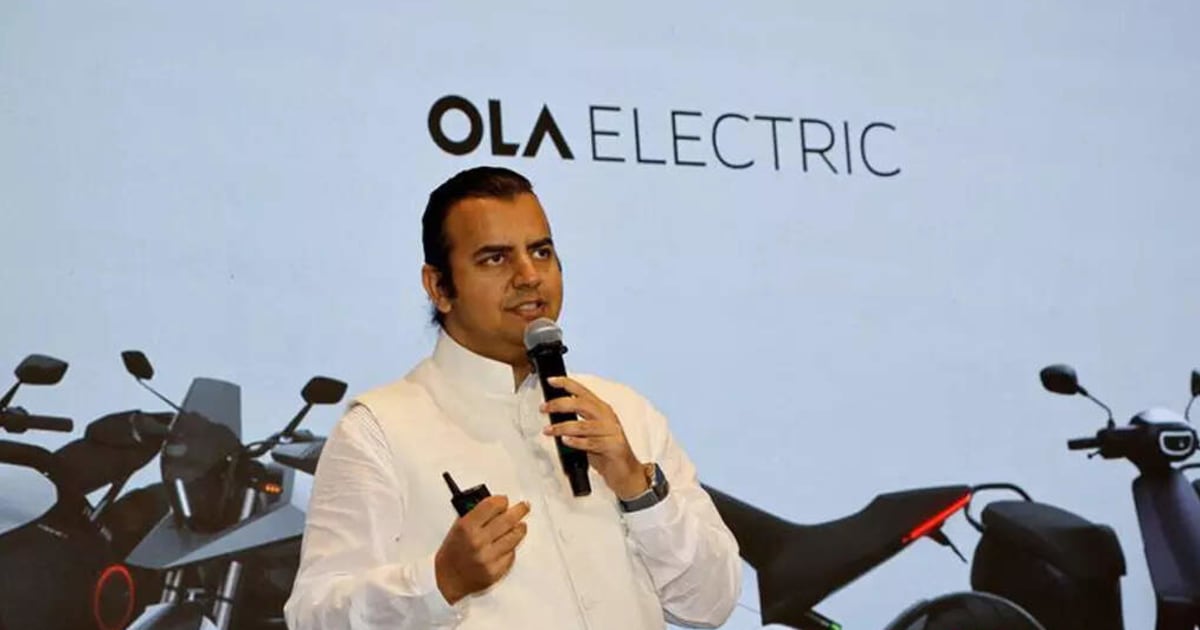
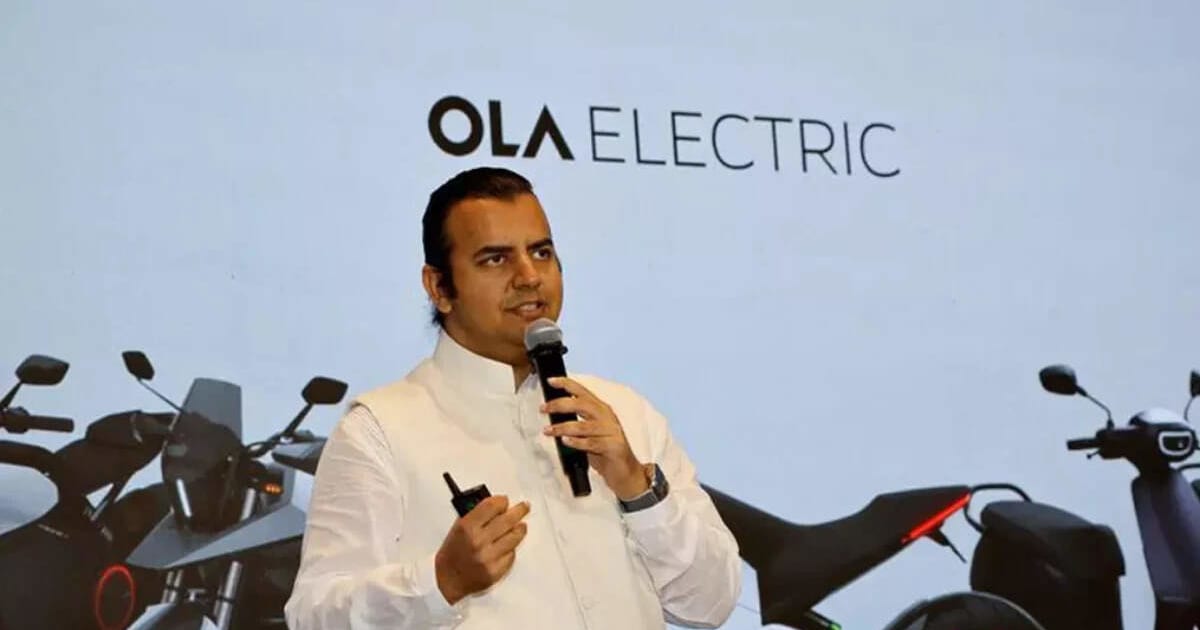
Ola Electric has secured Rs 780 crore through a Qualified Institutional Placement (QIP), signaling resilient institutional demand despite recent volatility. This analysis examines how this capital impacts the competitive landscape against Bajaj Auto and TVS Motor, and what it means for retail shareholders facing dilution.
The Anatomy of a Capital Raise: Why Ola’s QIP Matters
In a liquidity-sensitive environment, Ola Electric’s successful closure of a Rs 780 crore Qualified Institutional Placement (QIP) serves as a litmus test for the Indian EV sector. Oversubscribed by 56%, the raise underscores a tactical shift in institutional appetite: investors are willing to back 'growth-at-all-costs' narratives, provided the entity maintains enough cash to outlast the current industry-wide margin compression.
For Ola Electric, this isn't just about balance sheet stabilization; it is a strategic defense mechanism. With the transition from FAME-II to the Electric Mobility Promotion Scheme (EMPS) creating intermittent demand shocks, the company needed a war chest to sustain aggressive pricing strategies. This capital provides the runway to defend its market share against an increasingly aggressive cohort of traditional manufacturers who are leveraging their massive balance sheets to erode Ola's first-mover advantage.
How Does the Ola Electric QIP Impact the Competitive EV Landscape?
The Indian two-wheeler market is currently undergoing a structural pivot. We are witnessing the 'commoditization' of electric scooters, where hardware differentiation is narrowing. Ola’s ability to raise capital during a period of market share stagnation is a signal that institutional investors are betting on the company’s software-defined vehicle (SDV) ecosystem rather than just its hardware sales volume.
Historically, when high-growth tech-enabled manufacturing firms undertake significant equity dilution to fund operations, the short-term impact is often a contraction in EPS (Earnings Per Share). We saw a similar pattern in the 2022 fintech IPO wave, where initial dilution led to a 15-20% valuation compression before the market re-rated the companies based on unit economics. For Ola, the challenge is proving that this capital will yield a lower 'Customer Acquisition Cost' (CAC) rather than merely funding operational burn.
Stock-by-Stock Breakdown: Winners and Losers
- OLAELEC (Ola Electric Mobility): Short-term neutral. The dilution is a negative for existing shareholders, but the liquidity removes the 'bankruptcy risk' premium that had been weighing on the stock. Watch for the next quarterly results to see if cash burn has moderated.
- BAJAJ-AUTO (Bajaj Auto): Long-term bullish. Bajaj’s Chetak success shows they can capture market share without the same level of cash burn as pure-play EV startups. They remain the primary threat to Ola’s premium segment dominance.
- TVSMOTOR (TVS Motor Company): Stable. TVS has demonstrated superior operational efficiency. Their ability to cross-sell to a massive ICE (Internal Combustion Engine) customer base makes them a lower-risk play in the EV space compared to Ola.
- HEROMOTOCO (Hero MotoCorp): Watchful. As the market leader in ICE, Hero’s transition via the Vida brand is slower but structurally sound. They are the 'sleeping giant' that could disrupt the EV market once their supply chain achieves total scale.
The Expert Perspective: Bull vs. Bear
The Bull Case: Proponents argue that the QIP is a vote of confidence. By securing funds while the stock is under pressure, management is signaling that they have the institutional backing to weather the current 'price war' phase. If they can achieve operational break-even by FY26, the current valuation will look attractive in hindsight.
The Bear Case: Skeptics point to the 'burn-rate trap.' Raising money to fund operations rather than innovation is a sign of a stalling growth engine. If market share continues to slip to legacy players like Bajaj and TVS, this QIP will be viewed as 'throwing good money after bad,' leading to further valuation compression.
Actionable Investor Playbook
For the retail investor, the strategy should be one of patience. The QIP creates a floor for OLAELEC, but it does not create a ceiling.
- Wait for the 'Dilution Dust' to settle: Avoid aggressive buying immediately post-QIP. Let the stock find a new technical support level.
- Focus on Unit Economics: Look for evidence of 'Contribution Margin' improvement in upcoming filings. If the company continues to spend more to acquire each new customer, the dilution will continue.
- Diversification: If you are bullish on the EV theme, consider a basket approach. Holding a legacy player (Bajaj/TVS) alongside a pure-play (Ola) hedges against both technology disruption and execution risk.
Risk Matrix: Assessing the Downside
| Risk Factor | Probability | Impact |
|---|---|---|
| Regulatory Subsidy Cuts | High | High |
| Continued Market Share Erosion | Medium | High |
| Increased Cash Burn | Medium | Medium |
| Macro-economic Slowdown | Low | Medium |
What to Watch Next
Investors should track the upcoming monthly registration data from the Vahan portal. A decline in Ola’s market share below the 30% threshold would be a major red flag, regardless of the cash on the balance sheet. Additionally, monitor the government’s stance on the next phase of FAME-like subsidies; any reduction in incentives will force a price hike, which will serve as the ultimate test of Ola’s brand equity.
See OLAELEC's AI Score
Our algorithmic screener scores OLAELEC on fundamentals, momentum, and risk — free to try, no card needed.
Try the AI Screener →Have questions about this story?
Ask Welth, our finance-focused AI research assistant, for a deeper breakdown — free trial included.
Chat with Welth AI →Disclaimer: This content is generated by WelthWest Research Desk based on publicly available reports and is for informational purposes only. It does not constitute financial advice, investment recommendations, or an offer to buy or sell securities. Always consult a qualified financial advisor before making investment decisions.