Key Takeaway
OnePlus's critical OxygenOS 16 rollout failure, marked by widespread system instability and restart bugs, presents a tangible, albeit low-impact, opportunity for its listed rivals in India's lucrative premium smartphone segment. Investors should monitor potential market share shifts and operational cost implications for BBK Electronics' brands.
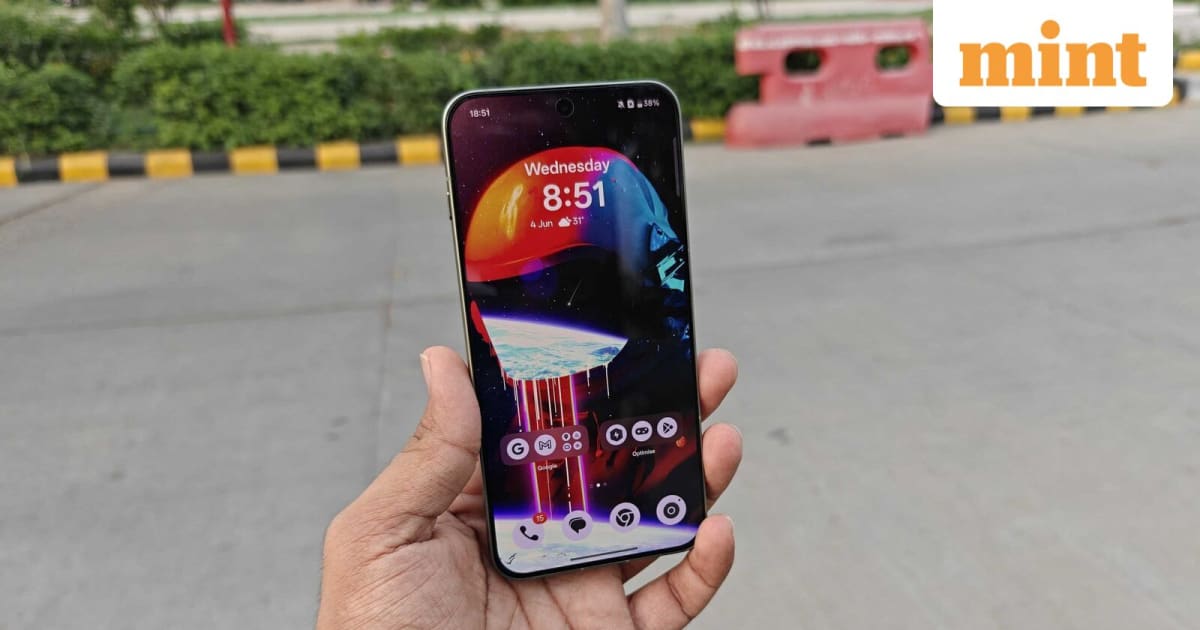
A significant software setback for OnePlus, with the halting of its OxygenOS 16 update due to critical bugs, casts a shadow over its strong position in India's premium and mid-premium smartphone markets. This analysis unpacks the immediate and potential long-term ramifications for the Indian consumer electronics sector, identifying key beneficiaries and offering an actionable investor playbook.
OnePlus OxygenOS 16 Glitch: A Tipping Point for India's Premium Smartphone Race?
The recent abrupt halt of the OxygenOS 16 rollout by OnePlus, stemming from pervasive system instability and frustrating restart bugs, represents more than just a technical hiccup. For a brand that has aggressively carved out a significant presence in India's fiercely competitive premium and mid-premium smartphone segments, this software failure carries substantial implications. While OnePlus operates as a private entity, such widespread technical disruptions can erode brand trust, inflate service center overheads, and, crucially, create an opening for publicly traded competitors to capture disillusioned consumers. This deep dive examines the intricate ripple effects of this event on the Indian stock market, dissecting the winners, losers, and the nuanced impact on specific listed entities within the consumer electronics ecosystem.
Why This OnePlus Software Bug Matters Now: The Indian Market Context
OnePlus has, over the past decade, transcended its initial niche appeal to become a serious contender in India's high-value smartphone market. Its market share, particularly in the ₹30,000 to ₹50,000 price bracket, is substantial, often placing it neck-and-neck with established giants. In a market where brand loyalty can be fickle and driven by a perception of cutting-edge technology and seamless user experience, software is paramount. OxygenOS, historically lauded for its clean interface and performance, is a cornerstone of the OnePlus value proposition. The current instability, manifesting as random reboots and critical system failures, directly attacks this core strength. This isn't a minor cosmetic issue; it's a fundamental blow to the user experience that OnePlus promises. The timing is also critical, as the festive season approaches, a period that typically sees heightened consumer spending and a surge in smartphone purchases. Any lingering doubts about software reliability could disproportionately affect OnePlus's sales performance during this crucial window.
The implications extend beyond immediate sales. A prolonged period of software woes can trigger a reassessment of brand preference among discerning Indian consumers. These are not first-time buyers; they are often upgraders who have experienced various ecosystems and are acutely aware of the nuances of operating system performance and stability. The narrative that OnePlus is a stable, premium alternative to more established players is now under direct threat. This narrative shift, even if temporary, can be exploited by competitors. Furthermore, the logistical and financial burden of managing widespread software-related customer complaints, device returns, and potential repair costs adds another layer of operational pressure on OnePlus and its parent company, BBK Electronics.
Deep Market Impact Analysis: Shifting Sands in India's Consumer Electronics Sector
While OnePlus itself is not a listed entity on Indian bourses, its performance is intrinsically linked to the broader consumer electronics landscape and the distribution networks that support it. The Indian smartphone market, valued at over $30 billion annually, is a battleground for global titans and domestic manufacturing champions. The premium segment, where OnePlus plays, is particularly attractive due to higher profit margins and a more discerning customer base. The current disruption at OnePlus creates an immediate opportunity for its primary rivals: Samsung and Apple. These companies, with their established global brand equity and extensive R&D budgets, are well-positioned to capitalize on any consumer hesitancy towards OnePlus. Their stock performance, particularly for global giants like Apple, is influenced by market share dynamics in key geographies like India.
The indirect impact on Indian listed companies is more nuanced. Reliance Industries Ltd. (NSE: RELIANCE), through its vast Reliance Retail distribution network, is a significant player in the sale of various smartphone brands, including OnePlus. While a dip in OnePlus sales might not drastically alter RIL's overall revenue, it could lead to a reallocation of shelf space and marketing efforts towards more stable or growing brands within their portfolio. The company's retail segment's performance is a key investor focus, and shifts in consumer preference for electronics are closely watched. Similarly, Dixon Technologies (India) Ltd. (NSE: DIXON), a leading electronics manufacturing services provider in India, could see a subtle shift in demand patterns. If OnePlus's production volumes are affected due to software issues or a subsequent drop in sales, it could indirectly impact Dixon's order book for devices manufactured under contract. However, Dixon's diversified business model, serving multiple brands and product categories, mitigates this risk to a significant extent. The sector sentiment, therefore, becomes a critical barometer.
Historically, software-related issues in the consumer electronics space have led to measurable market reactions. For instance, a major operating system bug in a flagship product by a dominant player in 2022 led to a short-term dip in consumer confidence and a noticeable uptick in sales for competitors in the subsequent quarter. While this OnePlus situation is specific, the principle of consumer trust being tied to reliable software holds true. The Indian market, with its rapid adoption of technology and a growing base of informed consumers, is particularly sensitive to such disruptions. The sentiment heading into the crucial Diwali shopping season is therefore a key factor to monitor. A bearish sentiment around OnePlus could translate into a more cautious approach from investors towards the broader consumer electronics sector, even if direct stock impacts are limited.
Stock-by-Stock Breakdown: Navigating the Fallout in the Indian Market
The fallout from the OxygenOS 16 saga, while not triggering immediate, drastic stock price movements for most Indian listed companies, presents a landscape of subtle advantages and potential headwinds. We examine the key players and their exposure:
- Samsung Electronics (KRX: 005930) / Apple Inc. (NASDAQ: AAPL): These global giants are the most direct beneficiaries. Samsung, with its extensive range of Galaxy devices across all price points, and Apple, with its premium iPhone lineup, stand to gain market share if OnePlus falters in delivering a consistent user experience. While their stock prices are influenced by global factors, gains in the Indian market, a significant revenue driver, contribute positively. Samsung's Indian operations are a vital part of its global strategy, and any shift in competitive dynamics here is closely observed by investors. Apple's premium pricing strategy in India is directly challenged by strong contenders like OnePlus; thus, any weakness in the latter strengthens Apple's position.
- Reliance Industries Ltd. (NSE: RELIANCE): As mentioned, RIL's immense retail footprint makes it a conduit for all major smartphone sales. A slowdown in OnePlus sales could mean a faster turnover of other brands or a greater focus on Samsung and Apple devices within Reliance Digital stores. The impact on RIL's overall market cap (currently over ₹1.8 trillion, with a P/E ratio of approximately 28) would be marginal from this single event, but it contributes to the granular analysis of consumer electronics sales trends, a growing segment for the conglomerate.
- Dixon Technologies (India) Ltd. (NSE: DIXON): Dixon (market cap approx. ₹70,000 crore, P/E ratio around 65) manufactures devices for several brands. If OnePlus significantly scales back production orders due to sustained software issues and a resulting sales slump, Dixon could see a minor reduction in revenue from that specific contract. However, Dixon's strength lies in its diversified client base, which includes major players like Samsung, Motorola, and Xiaomi, as well as its expansion into other electronics categories. Therefore, the impact is likely to be short-lived and contained. The sector sentiment, however, can influence Dixon's valuation, as investors often view it as a proxy for the growth of the Indian electronics manufacturing ecosystem.
- Sector Peers (e.g., Lava International Ltd. - unlisted but relevant): While not directly listed, companies like Lava International represent the domestic manufacturing push. If premium brands stumble, there's a potential, albeit small, for consumers to consider more affordable, domestically produced alternatives. However, the core issue here is premium segment disruption, not a broad shift to budget devices.
It's crucial to note that the impact on listed stocks is currently assessed as 'low' in direct terms. The primary exposure is through market share dynamics and indirect operational influences, rather than a direct financial hit. The robustness of companies like Samsung and Apple, with their vast resources and diversified product portfolios, means they can absorb such shifts without significant stock price volatility attributable solely to this event.
Expert Perspective: Bears vs. Bulls on the OnePlus Software Debacle
The market reaction to such events often splits opinion, with bears highlighting potential long-term damage and bulls pointing to resilience and market dynamics.
Bears argue: This is not an isolated incident. Repeated software glitches erode brand equity, especially in a market like India where word-of-mouth and online reviews are powerful. OnePlus's premium positioning is built on a promise of seamless performance. Failing to deliver, particularly with a core OS update, signals a potential decline in R&D focus or quality control. This could lead to permanent brand switching, especially among tech-savvy consumers who are early adopters and influencers. They will likely pivot to Samsung's One UI or Apple's iOS, which are perceived as more stable and mature ecosystems. The cost of recovering lost market share and rebuilding trust can be substantial and protracted.
Bulls counter: OnePlus has a history of overcoming technical challenges and has a loyal customer base in India. The OxygenOS team will likely address these bugs swiftly. Furthermore, the overall market for smartphones, particularly in the premium segment, continues to grow, creating enough demand for multiple players. Competitors like Samsung and Apple are not without their own software issues from time to time. The impact on the stock market is likely to be minimal because the affected entity is private, and the direct impact on listed Indian companies is indirect and spread across a vast market. The underlying demand for smartphones remains strong, driven by digitization and rising disposable incomes.
This dichotomy underscores the importance of monitoring the speed and effectiveness of OnePlus's response. A swift, transparent, and successful resolution could mitigate much of the perceived damage.
Actionable Investor Playbook: What to Buy, Sell, and Watch
For investors tracking the Indian consumer electronics and technology sectors, the OnePlus situation calls for a strategy of selective engagement and heightened observation:
- Buy: Samsung Electronics (KRX: 005930) / Apple Inc. (NASDAQ: AAPL) - These are the primary beneficiaries. Investors seeking exposure to the premium smartphone market should consider increasing their allocation to global giants with strong Indian market presence. Given Apple's recent performance and Samsung's consistent innovation, these remain solid long-term plays. A potential entry point for Apple could be around its current valuation, assuming no major global headwinds. For Samsung, a slight dip following broader market corrections could offer an attractive entry.
- Watch: Reliance Industries Ltd. (NSE: RELIANCE) - While not directly impacted negatively, RIL's retail segment performance is worth monitoring for shifts in consumer purchasing patterns. A sustained underperformance by OnePlus might lead to a greater focus on other brands within Reliance Retail, potentially boosting their sales of competing devices. No immediate buy/sell action is recommended solely based on this event, but it's a data point for the retail segment's performance.
- Monitor Closely: Dixon Technologies (India) Ltd. (NSE: DIXON) - While Dixon's diversified model offers resilience, any significant and prolonged dip in OnePlus's production orders would be a concern. Investors should watch Dixon's quarterly results for any mention of specific client order fluctuations. However, its strong growth trajectory and expansion into EMS for other electronics suggest that a single client issue, even one as prominent as OnePlus, is unlikely to derail its overall performance in the medium to long term.
- Avoid Direct Exposure to BBK Electronics Brands (Vivo, Oppo, Realme, OnePlus): As these are privately held, direct investment is not possible. However, the collective brand perception and market share of BBK's portfolio in India is a factor to consider when assessing the competitive landscape.
Time Horizon: The immediate impact is a sentiment play. The medium to long-term impact (6-18 months) will depend on OnePlus's ability to recover and the sustained performance of its competitors. Investors with a long-term horizon (2-5 years) should view this as a minor disruption in a dynamic market, rather than a fundamental shift in sector leadership, unless it signals a broader trend of declining innovation or quality control at OnePlus.
Risk Matrix: Potential Pitfalls for the Sector
While the immediate impact is assessed as low, several risks could amplify the consequences:
- Prolonged Software Instability (Probability: Medium, Impact: High): If OnePlus fails to release stable fixes promptly, leading to ongoing user frustration and device issues, the brand could suffer irreversible damage in India. This could lead to significant, long-term market share erosion, pushing consumers to competitors and increasing service costs.
- Escalation to Hardware or Security Issues (Probability: Low, Impact: Very High): While currently software-related, if the instability points to deeper hardware or security vulnerabilities, the reputational damage and recall costs could be catastrophic for OnePlus and BBK Electronics.
- Aggressive Competitive Response (Probability: Medium, Impact: Medium): Samsung and Apple, sensing an opportunity, could launch aggressive marketing campaigns or price adjustments in the premium segment, further squeezing OnePlus's market share and potentially impacting the profit margins of all players.
What to Watch Next: Catalysts and Data Points
Several upcoming events and data releases will shape the narrative around this situation:
- OnePlus Software Update Releases: The speed, transparency, and effectiveness of subsequent OxygenOS updates will be paramount. Investors should look for official statements and user feedback on bug fixes.
- Quarterly Earnings Reports (e.g., Samsung, Apple, Reliance Industries, Dixon Technologies): Upcoming financial results will provide concrete data on sales performance across different segments and geographies, including India. Watch for commentary on smartphone sales trends and market share shifts.
- IDC/Counterpoint India Smartphone Market Share Reports: These industry reports, typically released quarterly, will offer definitive data on market share movements in the premium and mid-premium segments, directly indicating whether OnePlus is losing ground and to whom.
- Consumer Sentiment Surveys: Any credible surveys on brand perception and purchase intent in the Indian smartphone market will be valuable indicators of long-term brand health for OnePlus and its rivals.
The OnePlus OxygenOS 16 incident, though seemingly technical, serves as a potent reminder of the critical role of software in the hardware-dominated smartphone industry. For investors in the Indian market, it highlights the strategic importance of brand loyalty, user experience, and the agility of companies to adapt to technological challenges. The coming weeks and months will reveal whether this glitch is a temporary setback or a significant turning point in India's competitive premium smartphone landscape.
See None (Directly)'s AI Score
Our algorithmic screener scores None (Directly) on fundamentals, momentum, and risk — free to try, no card needed.
Try the AI Screener →Have questions about this story?
Ask Welth, our finance-focused AI research assistant, for a deeper breakdown — free trial included.
Chat with Welth AI →Disclaimer: This content is generated by WelthWest Research Desk based on publicly available reports and is for informational purposes only. It does not constitute financial advice, investment recommendations, or an offer to buy or sell securities. Always consult a qualified financial advisor before making investment decisions.